The Heresy That Nearly Broke the Byzantine Empire
Автор: Paulie Uncovered
Загружено: 2026-01-27
Просмотров: 1175
Описание:
In 660 CE, an Armenian man named Constantine read the New Testament and came to a shocking conclusion: the Christianity practiced around him had abandoned its scriptural origins. What began as small Bible study groups in Armenian villages became one of the greatest threats the Byzantine Empire ever faced—a movement so dangerous that emperors dedicated centuries to its complete destruction.
The Paulicians rejected church hierarchy, material sacraments, icons, and the veneration of Mary. They believed the material world was created by an evil power, not the true God. They baptized only adults who consciously chose faith. They taught that ordinary believers could interpret scripture without priestly mediation. Between 660 and 872 CE, over 100,000 Paulicians were executed, exiled, or forcibly relocated for these beliefs.
When persecution intensified under Empress Theodora in 843 CE, survivors established the fortress city of Tephrike and fought back militarily. For 25 years, this heretical stronghold resisted Byzantine armies, defeating even Emperor Michael III's 40,000-soldier assault in 863 CE. When Tephrike finally fell in 878 CE, the empire celebrated total victory.
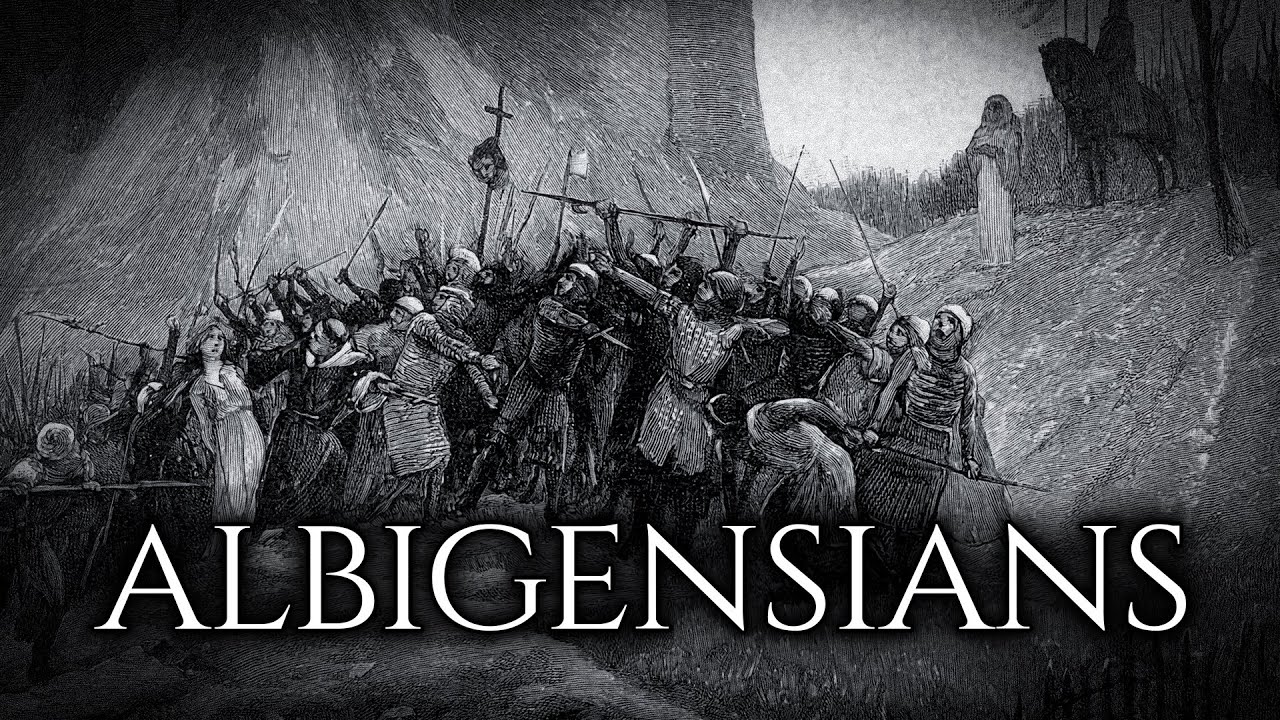
But the Paulicians weren't destroyed. Forcibly relocated to the Balkans, their theology influenced the Bogomils of Bulgaria, who in turn influenced the Cathars of southern France. Ideas that began in 7th-century Armenia shaped European religious dissent for 600 years, eventually echoing in the Protestant Reformation.
This is the story of a movement that emperors tried to erase from history. A theology so threatening that compromise was impossible. And ideas that survived despite systematic attempts to destroy everyone who held them.
Повторяем попытку...

Доступные форматы для скачивания:
Скачать видео
-
Информация по загрузке: