Record Cleaning with Wood Glue (Slayd5000)
Автор: Slayd5000
Загружено: 2010-12-01
Просмотров: 78734
Описание:
READ THIS DESCRIPTION!!!
http://www.audiokarma.org/forums/show...
lifted from the AudioKarma Forums...
Polyvinyl Acetate Glue
PVA glues aren't necessarily wood glues, although all wood glues are PVAs. Wood glues are dyed yellow in North America, while they remain white throughout most of the rest of the world. A number of "hobby" glues like Elmer's and Aileen's are also PVA glues. If you have any doubt whether a particular glue is PVA based, download the MSDS (Material Safety Data Sheet) from the manufacturer's website. For a detailed description of the chemistry involved, take a look at Page 2 of this thread where AK member, Outlawmws did some great research. Landing on the right pva glue for you, with an eye to the humidity/heat conditions where you treat your vinyl, will need to be settled by the individual user. Some folks dilute their glue (distilled H2O), some don't. This becomes more of how do you like your scotch. Single malt or blended? Neat, or with a splash of water? How much is too much?
History
This method of cleaning/restoration has been around for, at least, 28 years. In an old issue (No. 16) of the long defunct Audio Conversion magazine, contributor Eric Stubbes refers to an article by Reginald Williamson that was published in the Audio Amateur
issue No. 4 (1981) and appears to be the first documented description and use of this PVA glue cleaning technique. The early germination of this method in Great Britain tends to reinforce reports that the BBC has used (and continues to use?) pva glue cleaning for archival purposes. In this thread, we've discovered from AK member, DynacoPhil about Disco-Peel a commercial product that is a similar clean/peeling agent. In spite of Phil's valiant attempts at recycling the used solution, it now appears that the product has been discontinued and what stores that are left have become very expensive. Last November, AK member Relder, discovered that a long set version of Franklin's Titebond (Titebond Extend), self-peeled as it dried (page 20.) This discovery would be a boon to one of the most "fiddly" parts of the operation. I've finally gotten around to testing this out.
Cleaning or Restoration?
Actually it can be both. The easy rule for me is that if the suspected dirt on a record is unfloatable, then glue it. Grit (silica) in solution is something I'd like to avoid brushing around grooves. But if it's airborne debris, then "ease of use" dictates that this is a job for a solution based RCM. Other than that, this method has proved safe and effective. Plastic glue doesn't want to mate with a plastic record. It will, however grab a tremendous amount of grunge and grit left behind in the grooves by hi-end RCMs. And that's the beauty of it.
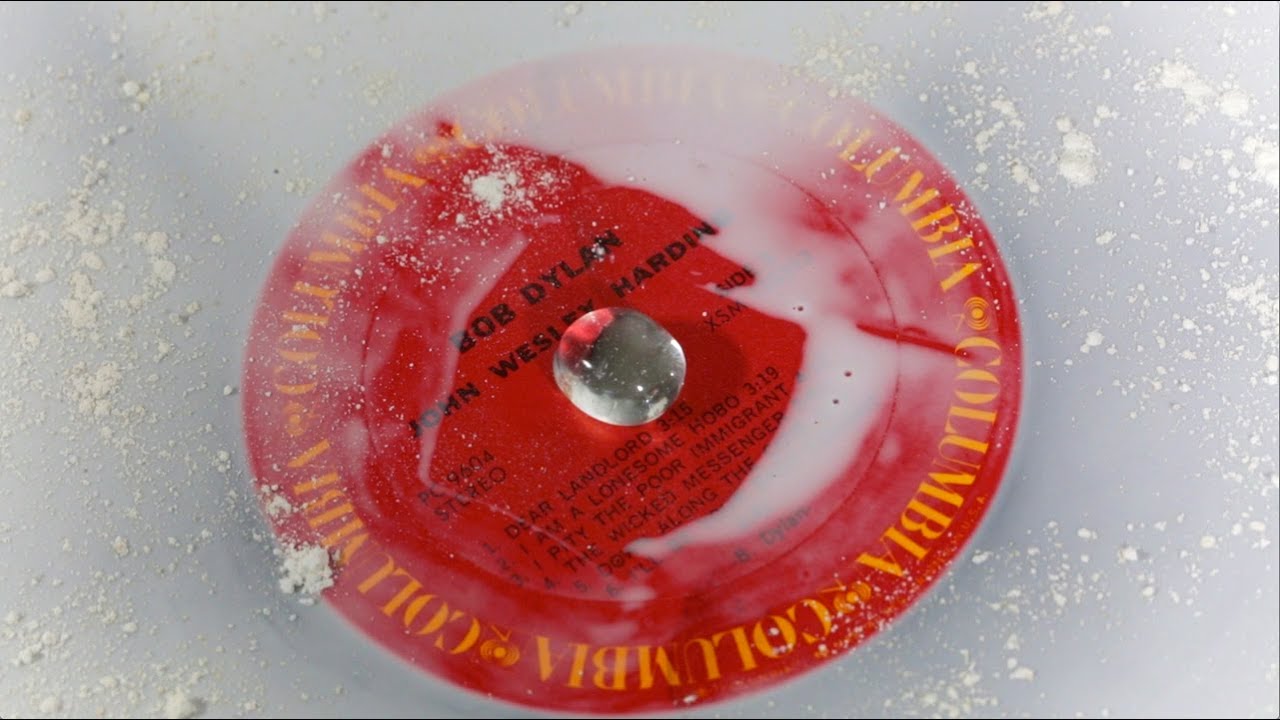
Slayd5000 presents... Record Cleaning with Wood Glue (An Experiment)
N-joi! & subscribe to my channel. Positive comments are always welcome.
More to come.
Повторяем попытку...

Доступные форматы для скачивания:
Скачать видео
-
Информация по загрузке: