Should Antipsychotic Polypharmacy Continue in Schizophrenia? | Carlat Psychiatry News
Автор: The Carlat Psychiatry Report
Загружено: 2025-01-20
Просмотров: 493
Описание:
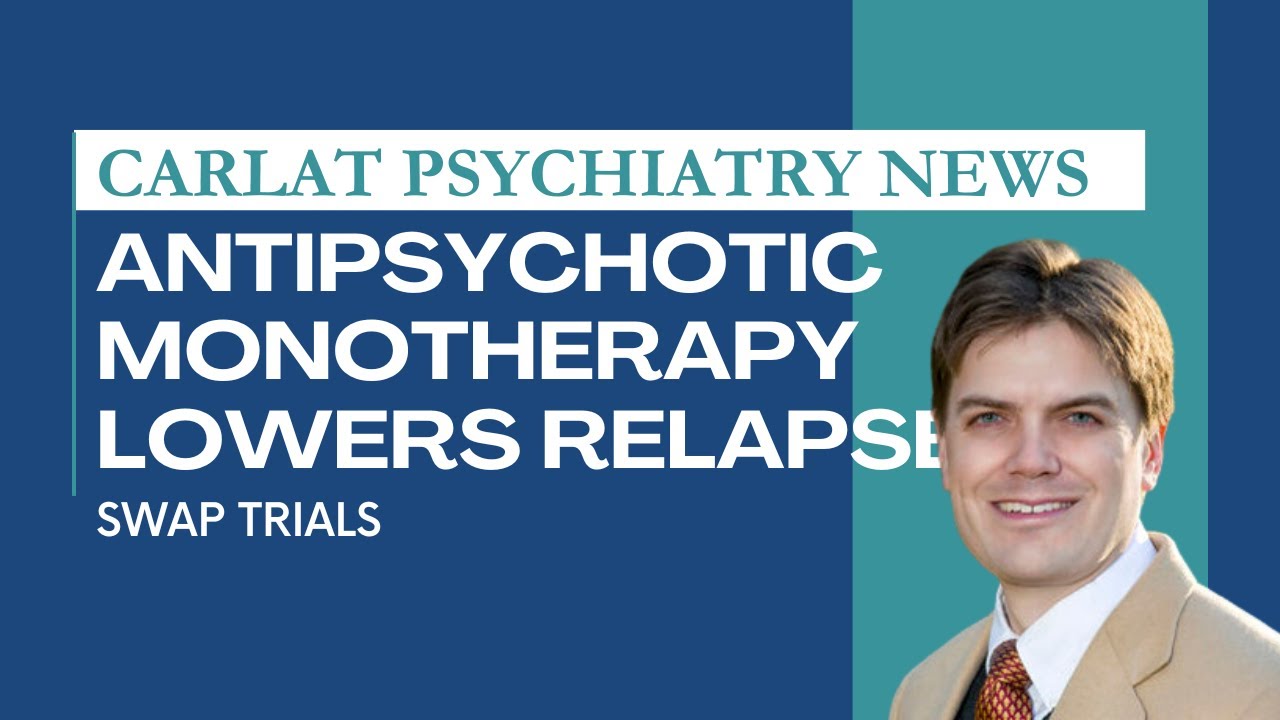
Switching from antipsychotic polypharmacy to monotherapy—especially with clozapine—may significantly reduce relapse risk and improve side effects in patients with schizophrenia, according to two new SwAP trial studies. Patients experienced fewer psychotic symptoms, reduced movement-related side effects, and better BMI outcomes, suggesting that a single-agent approach may offer better long-term outcomes.
💡Carlat Psychiatry: https://www.thecarlatreport.com/
➡️Earn CMEs: https://www.thecarlatreport.com/CMEMe... Fact
================
Follow Carlat:
🔴SUBSCRIBE ► / @thecarlatreport
➡️Twitter: / CarlatPsych
================
00:00 Intro
00:04 News Report
================
Are you treating schizophrenia with multiple antipsychotics at once? If so, you might want to reconsider your approach based on the latest evidence from the SwAP (Switch Antipsychotic Polypharmacy) trial, which highlights the potential benefits of switching to monotherapy—especially with clozapine. In this video, we break down two key studies recently published in Schizophrenia Research that reveal surprising advantages of simplifying antipsychotic regimens.
The first study tracked 136 long-term inpatients with schizophrenia. These patients were divided into two groups: one group continued antipsychotic polypharmacy, while the other gradually switched to a single agent. The results were eye-opening—patients who transitioned to monotherapy experienced a 29% lower risk of relapse over a nine-month period. Even more notable, their psychotic symptoms were better controlled when compared to those who stayed on multiple antipsychotics. For those who switched to clozapine as the sole agent, the results were even more impressive, further supporting clozapine’s status as a gold-standard option in treatment-resistant schizophrenia.
But it’s not just about relapse prevention. The second study from the SwAP trial focused on side effects, and the findings were equally compelling. Patients who reduced to monotherapy reported fewer movement-related issues like akathisia, parkinsonism, and dyskinesia. Improvements were also seen in body mass index (BMI) and body weight—two critical factors that often concern patients and clinicians alike when managing schizophrenia treatment. Additionally, the switch to monotherapy appeared to reduce depressive and gastrointestinal symptoms, though it had no measurable impact on sexual or neurological side effects.
So, what does this mean for clinical practice? The message is clear: switching from antipsychotic polypharmacy to monotherapy can be a game-changer. Not only can it reduce relapse risk and improve symptom control, but it can also minimize side effects that impact patient well-being, such as weight gain and movement-related issues. For many patients, especially those on clozapine, this approach could lead to safer, more effective, and more tolerable treatment.
If you’re managing patients with schizophrenia, this research should be on your radar. Watch this video to learn how the SwAP trial findings might influence your prescribing habits and improve patient outcomes. Don't forget to like, comment, and subscribe for more updates on schizophrenia treatment, antipsychotic medication, and other key developments in psychiatric care.
Повторяем попытку...
Доступные форматы для скачивания:
Скачать видео
-
Информация по загрузке: