Michio Mamiya [間宮芳生]: Composition for Chorus No. 4 "Children's Field“ (1963)
Автор: Classical Ongaku Lovers
Загружено: 2017-10-14
Просмотров: 3786
Описание:
Michio Mamiya (b:1929, Japan)
間宮芳生: 合唱のためのコンポジション第4番「合唱とオーケストラのためのコンポジション―子供の領分」
I. Funny Song (ゆかいなうた) 00:00
II. Nostalgic Song 1 (なつかしいうた1) 04:14
III. Painting Song (えかきうた) 09:45
IV. Nostalgic Song 2 (なつかしいうた2) 11:36
V. FINALE 14:40
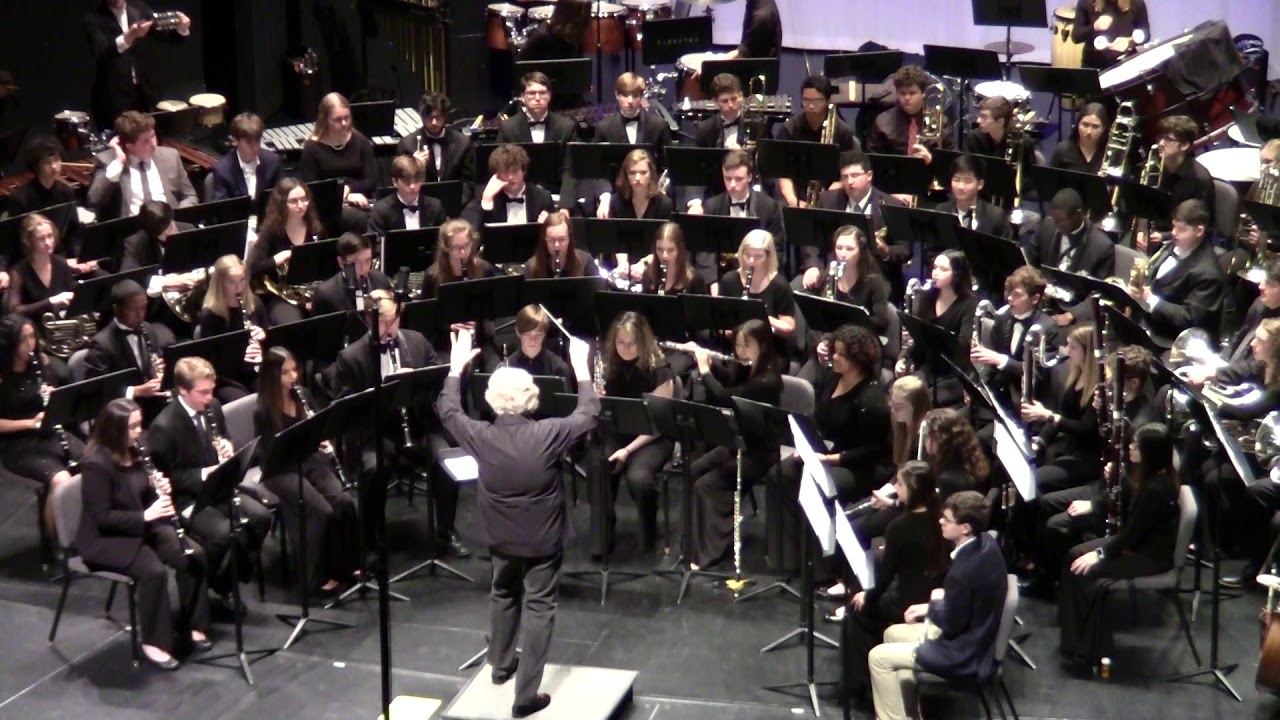
NHK Tokyo Children Chorus (Chorus Master: Fujio Furuhashi)
Yomiuri Nippon Symphony Orchestra, Tokyo
Hiroyuki Iwaki, conducting
Recorded: 1968
In 1962, an ethnomusicologist Fumio Koizumi and his research team at the musicology department of Tokyo Geidai (Tokyo National University of Fine Arts and Music) carried out researches into 'warabeuta' (children's songs) handed down from of old and sung by primary school children in the Metropolis of Tokyo, and collected some 2,000 tunes. One day in the year, that huge collection, which had been notated together with words, was delivered to me, accompanied by a message from Koizumi saying "Would it be possible for you to compose a new piece by pumping up the children's vital power heard in these tunes?"
The collection included a wide variety of traditional game songs, such as hand-ball songs, beanbag songs, drawing songs, counting-out songs and teasing calls. Moreover, not a few of the newest things, fashionable words and even some names of sumo-wrestling stars were perceptible in the collected words, such as 'jinkôeisei' (an artificial satellite), 'dump car' (a dump truck), 'koppe-pan' (pain coupé), 'kurukurupaa' (a teasing word), 'Wakanohana' (a sumo-wrestler). The tradition of warabeuta was well preserved, and further, they were getting reborn every day at that time.
Thus, I composed the Composition for Chorus No. 4 in the summer of 1963. Its premiere was through the NHK radio in the year. About 50 tunes or their fragments from the warabeuta collection are heard in the piece.
The piece in five movements is composed on the model of a concerto grosso for chorus and orchestra. The first movement is mainly based on the old and new teasing calls. The quiet lyrical second movement is based on a song "Mukôyama-no-nakidori" and some others. The third features drawing songs. And the fourth is based on a single tune "Tainoko-tainoko" (a counting-out song). The Finale having an introductory fanfare by the orchestra is based on various beanbag songs and a counting-out song in which ten geographic places, "Igirisu" (England), "Nippon" (Japan), "Shang-hai", "Shikoku", etc., are woven out.
by Michio Mamiya from FOCD-3306 "Orchestral Works by Michio Mamiya" booklet
1962年、民族音楽学者小泉文夫と東京芸術大学楽理科の彼のゼミの学生たちが、東京都内の子供達が伝承しているわらべうたを採集調査したことがあって延べ2000曲ほどが集った。ある日その2000曲を楽譜に採ったものが、ドサッとぼくのところへ持ち込まれた。
手まり唄、なわとび唄、お手玉唄、絵かき唄など、伝統的なたくさんの種類のあそびの唄や悪口うた、かぞえ唄などが、脈々とうけつがれていた。それだけでなく、「人工衛星」「ダンプカー」「コッペパン」「クルクルパー」「若の花」などなど、新しい言葉、新しい事象、流行語、人気力士の名までがどんどん飛び出して来る。それらは、わらべうたが生きていて、毎日生まれかわっていることを見事にうつし出していた。そして、「この子供たちのバイタリティーを作品の形に出来ないだろうか」との小泉文夫のメッセージが添えてあった。
こうして1963年夏、このコンポジション第4番を作曲、NHKから放送初演されることになる。曲中に、上記のわらべうたのコレクションから、50種ばかりのうた、またはそれらの断片があらわれる。
曲は児童合唱とオーケストラのコンチェルト・グロッソのような形をとり、5つの楽章から成る。「アンタ・チョット・みかけによらないゴリラのロクでなしのなりそこないの・ハッキリいえば・クルクルパー」など、とても新しい(かぞえ唄にもなっている)のもある、沢山の悪口うたが登場する第1楽章、「向う山のなきどりは」が中心の優しい第2楽章、絵かき唄各種による第3楽章。第4楽章だけは単一の素材「タイノコ・タイノコ」(かぞえ唄)によっている。終楽章だけはオーケストラのファンファーレに導かれて、お手玉唄いろいろ、そして「イギリス・日本・上海・四国」と地名をおりこんでゆくかぞえ唄が用いられている。
(間宮芳生、FOCD-3306『間宮芳生オーケストラ作品集』解説書より)
Повторяем попытку...
![Michio Mamiya [間宮芳生]: Composition for Chorus No. 4 "Children's Field“ (1963)](https://imager.clipsaver.ru/yo98PZOJunE/max.jpg)
Доступные форматы для скачивания:
Скачать видео
-
Информация по загрузке:
![Michio Mamiya [間宮芳生]: String Quartet No.1 (1963)](https://imager.clipsaver.ru/yhHgGbWBwvk/max.jpg)
![Lullaby of Takeda [Takeda No Komoriuta], Japanese Folk Song - The Red Birds [Akai Tori]](https://imager.clipsaver.ru/B27yQMuTHWc/max.jpg)
![Yasushi Akutagawa: Trinita Sinfonica (1948) / Yasushi Akutagawa & Tokyo Symphony [1963]](https://imager.clipsaver.ru/4ctfVIRnsy4/max.jpg)
![Akira Ifukube - Varan (1958); Cinema-Kan 2018 Remaster [FULL ALBUM]](https://imager.clipsaver.ru/DvIp1HSfadM/max.jpg)





![Yasushi Akutagawa: Songs of the Native Tribes on the Island of Papua (1950) [subtitles]](https://imager.clipsaver.ru/C0dbzeIOhmQ/max.jpg)