The role of women in Victorian literature - A deep Dive
Автор: Comedy Critters Shorts
Загружено: 2024-08-22
Просмотров: 873
Описание:
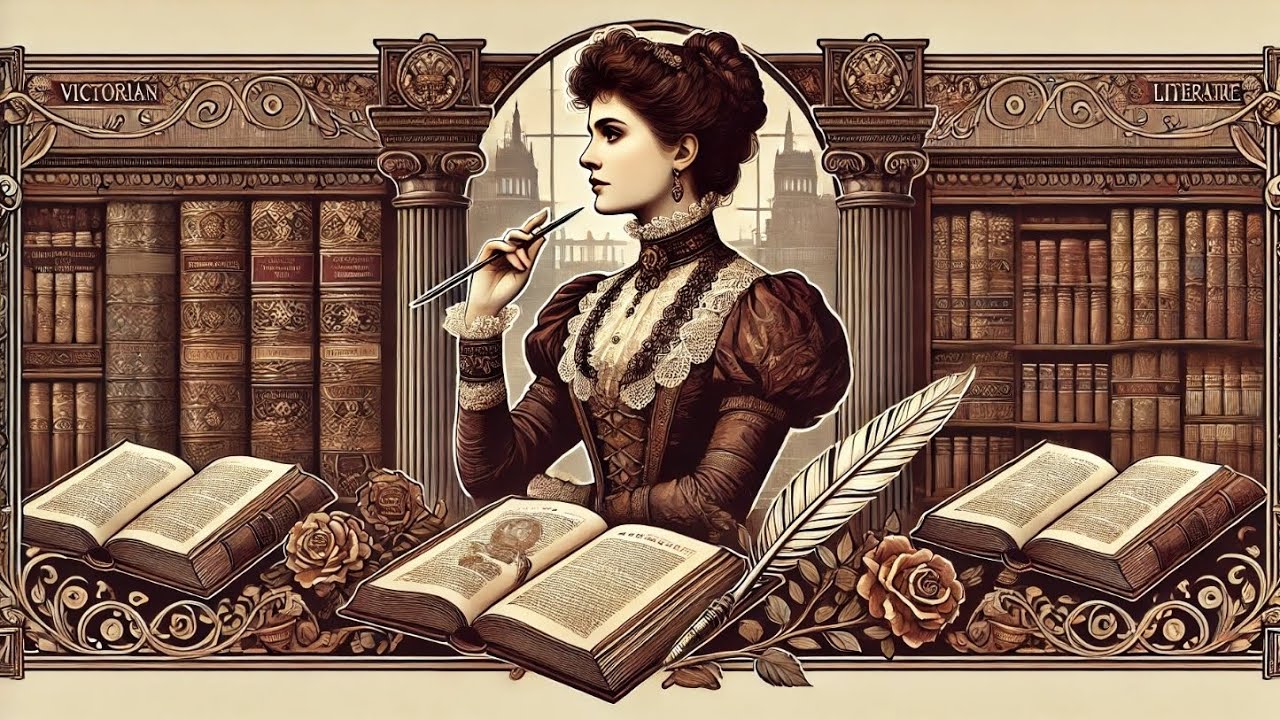
The role of women in Victorian literature is a fascinating and complex topic that sheds light on the societal norms, challenges, and aspirations of the time. Victorian literature serves as both a reflection of and a commentary on the position of women in the 19th century, capturing the tension between the traditional expectations placed on women and the burgeoning desire for autonomy and equality.
*1. Overview*
The period of Victorian literature (1837-1901) coincides with the reign of Queen Victoria and is marked by significant literary output that grapples with the social, economic, and political changes of the era. Women's roles were often limited to that of the "Angel in the House," a concept epitomized by Coventry Patmore's poem, which idealized women as pure, pious, and domestic. Yet, Victorian literature often challenges and critiques this narrow ideal, presenting women who struggle against societal constraints to seek their identity and agency.
*2. Historical Context*
The Victorian era was a time of great change, with the Industrial Revolution altering the social fabric of society. Women, who were largely confined to the domestic sphere, began to assert their rights, particularly in education and employment. Literature from this period often reflects these tensions, exploring the contradictions between the prescribed roles for women and their actual desires and experiences.
*3. Key Themes*
*Domesticity and the Ideal Woman:* Victorian novels often depict women as central to the moral and emotional stability of the home. However, this role is frequently portrayed as limiting, with characters who either conform to or rebel against this ideal, revealing the inherent conflicts.
*Education and Independence:* The theme of education is prominent, with many female characters seeking knowledge and personal growth in a society that offers them few opportunities. This quest for independence often leads to conflict with societal expectations.
*Marriage and Sexuality:* Marriage is depicted as both a social expectation and a personal dilemma, with many works exploring the restrictive nature of marriage and the consequences of deviating from sexual norms.
*Social Critique and Reform:* Victorian literature often critiques the legal and social limitations placed on women, advocating for greater rights and reforms. Authors used their works to highlight the injustices faced by women and to push for change.
*4. Important Authors and Notable Works*
*Charlotte Brontë:* "Jane Eyre" (1847) is a pioneering work that explores the struggle for self-respect and independence, addressing issues of class, gender, and religion.
*Emily Brontë:* "Wuthering Heights" (1847) presents complex female characters like Catherine Earnshaw, whose passionate and rebellious nature defies conventional Victorian femininity.
*Elizabeth Gaskell:* "North and South" (1854-55) features Margaret Hale, a strong female protagonist who challenges gender roles while advocating for social justice.
*George Eliot (Mary Ann Evans):* "Middlemarch" (1871-72) examines the limitations imposed on women, particularly through the character of Dorothea Brooke, who struggles with the constraints of marriage and societal expectations.
*Thomas Hardy:* "Tess of the d'Urbervilles" (1891) critiques Victorian morality and the harsh treatment of women, especially regarding sexual purity and societal judgment.
*5. Critical Perspectives*
*Feminist Criticism:* Feminist critics have extensively analyzed Victorian literature for its depiction of women, focusing on how these works both reinforce and challenge patriarchal norms. "Jane Eyre" is often highlighted as an early feminist text.
*Marxist Criticism:* This approach examines the intersection of class and gender, analyzing how economic constraints further restrict women's roles in Victorian society.
*Psychoanalytic Criticism:* Psychoanalytic readings explore the inner lives of female characters, examining how repression and societal pressures shape their desires and actions.
*6. Influence and Legacy*
The representation of women in Victorian literature has profoundly influenced later literary traditions and feminist thought. The issues raised by Victorian authors, such as women's rights, education, and autonomy, remain relevant today, continuing to inspire contemporary discussions on gender equality. These works also enjoy a lasting legacy through adaptations in various media, further cementing their importance in cultural history.
*7. Further Reading and Exploration*
For those looking to delve deeper into this topic, critical works by scholars such as Sandra Gilbert, Susan Gubar, Elaine Showalter, and Nina Auerbach offer valuable insights into the role of women in Victorian literature. Their analyses provide a deeper understanding of how these texts reflect and challenge the gender norms of their time.
Повторяем попытку...
Доступные форматы для скачивания:
Скачать видео
-
Информация по загрузке:


