Badlands of Death Valley | Ancient Lakes to Album Covers | Extreme Desert Geology | 120 Degrees
Автор: Roamapf
Загружено: 2026-02-25
Просмотров: 2
Описание:
Explore the surreal landscape of the Death Valley Badlands! In this video, we go beyond the viewpoint at Zabriskie Point to discover the ancient geology, indigenous history, and pop-culture icons that make this spot a must-see in 2026. From the golden mudstone hills to the Timbisha Shoshone's ancestral roots.
National Park Service:
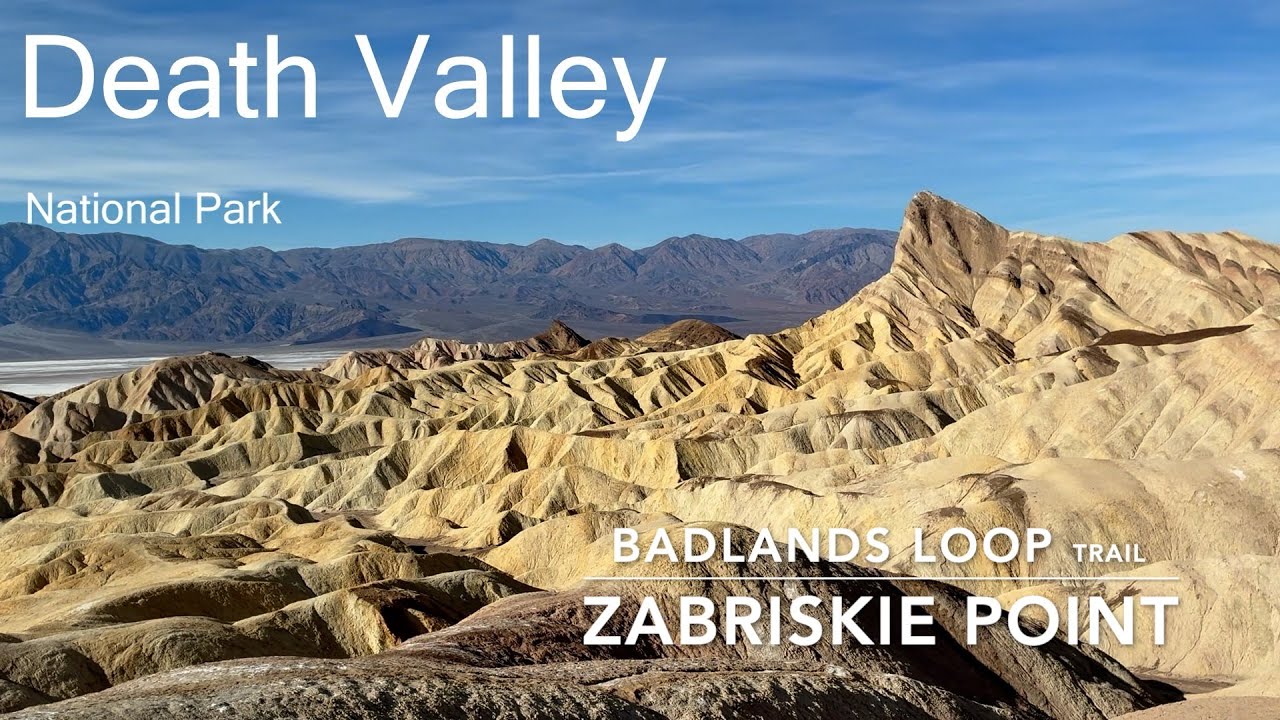
In Death Valley National Park, the "Badlands" refers to a starkly eroded, labyrinthine landscape of golden-hued mudstone hills and winding canyons. This area is centered around the iconic Zabriskie Point.
Key Highlights
Zabriskie Point: The park's most famous overlook, providing a panoramic view of the undulating, yellow-and-brown badlands. It is best visited at sunrise or sunset, when shadows accentuate the dramatic textures.
Badlands Loop Trail: A popular 2.6-mile (4.2 km) moderate hike that begins at the Zabriskie Point parking lot. It takes approximately 1 to 1.5 hours to complete and winds through the heart of the eroded formations.
Geology: These formations are the remains of the ancient Furnace Creek Lake, which dried up roughly five million years ago. Subsequent erosion from infrequent but intense rain has sculpted the soft clay and mudstone into its current wave-like patterns.
The badlands of Death Valley, specifically the area around Zabriskie Point and the Black Mountains, are the ancestral homeland of the Timbisha Shoshone.
Spiritual and Cultural Significance
Meaning of "Timbisha": The name of the tribe is derived from the term tümpisa, meaning "rock paint". This refers to the red ochre (hematite) found in the badlands' hills, which the "Old Ones" used for spiritual purposes and healing ceremonies.
The Name "Death Valley": The Timbisha people generally loathe the name "Death Valley," which was coined by Gold Rush prospectors in 1849. To the Timbisha, the landscape is not a place of death but a place of abundance that has provided for them for over a millennium.
Creation Story: Their oral traditions describe their arrival in the valley through a story involving Coyote, who was sent with a basket of children to the "middle of the world" (Death Valley), where they sprang out and have resided ever since.
Land Use and Modern History
Seasonal Migration: Historically, the Timbisha followed a seasonal migration, wintering in the warmer valley floors and moving to cooler mountain climes in the summer to harvest pinyon pine nuts and mesquite beans.
Displacement: When Death Valley National Monument was created in 1933, the tribe was not granted a homeland within the park and faced decades of displacement efforts.
Homeland Recognition (2000): After a long legal struggle, the Timbisha Shoshone Homeland Act was signed into law in 2000, returning roughly 7,500 acres of ancestral land to the tribe, including an area near Furnace Creek.
Uplifting EDM Dance Music
Audio source: Jamendo
Adobe Stock Asset ID: #536976255
#DeathValleyBadlands #ZabriskiePoint #TimbishaShoshone #TheJoshuaTree #DeathValley2026
Повторяем попытку...
Доступные форматы для скачивания:
Скачать видео
-
Информация по загрузке: