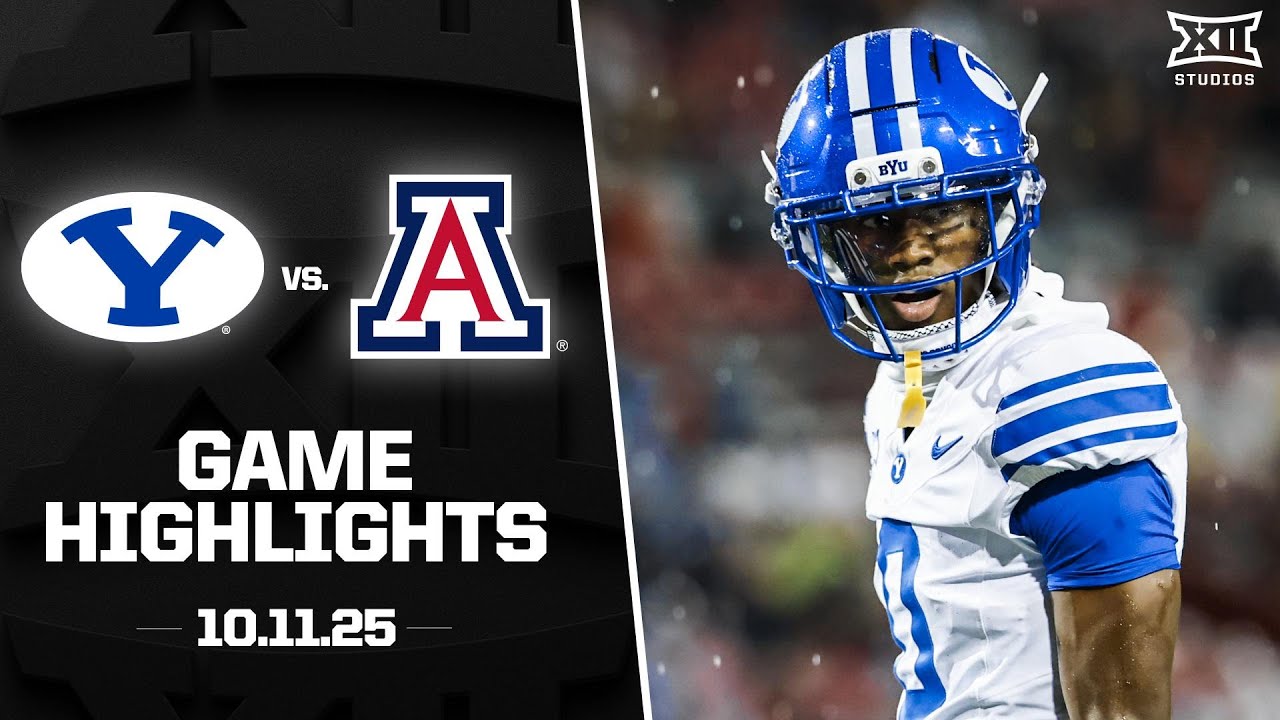
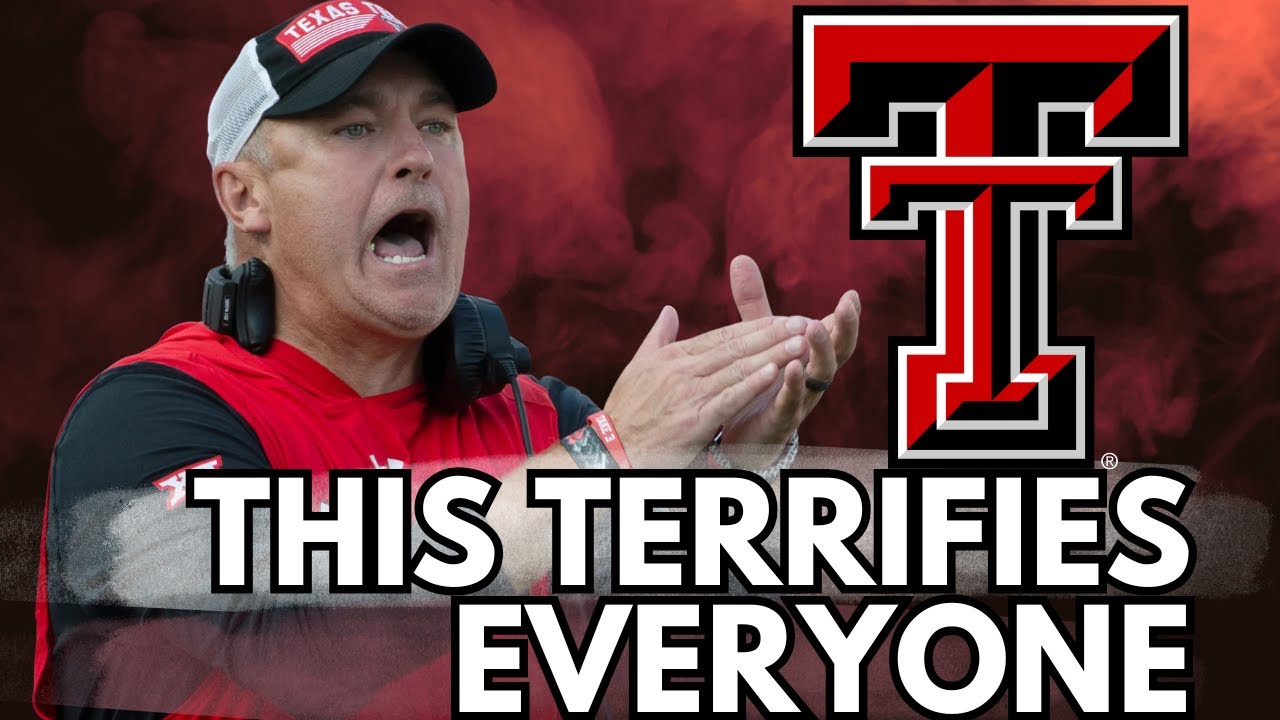
GOOD: ESPN Is FURIOUS With Texas Tech, BYU for "BUYING ROSTERS," NIL Prowess and Cody Campbell's Win
Автор: Locked On Big 12
Загружено: 2025-10-05
Просмотров: 34260
Описание:
The criticism that BYU and Texas Tech are "buying" their football rosters is a direct reflection of their aggressive, early, and high-profile success in the Name, Image, and Likeness (NIL) era of college football. This perception stems from two distinct, yet equally effective, approaches to leveraging booster money and fan networks for player compensation and recruiting success.
Texas Tech: The Financial Powerhouse
Texas Tech has become a prime target for the "bought roster" critique due to the sheer size and structure of its NIL operation. The core of this criticism revolves around The Matador Club, their primary NIL collective, which has been reported to be one of the largest and most successful donor collectives in the country, raising tens of millions of dollars.
Massive Investment: Reports have indicated that Texas Tech has committed substantial funds—sometimes estimated upwards of $28 million to $50 million in a given year—to its football roster, putting them among the top spenders nationally. This level of financial commitment is unprecedented for a program not traditionally considered a college football "blue blood."
Targeted Portal Success: The money has been used aggressively in the transfer portal to fill immediate roster holes and acquire key veteran players, including quarterback Behren Morton receiving a reported $1 million deal to stay. This strategy of rapid roster overhaul, rather than a slow build through traditional high school recruiting, is what leads critics to claim the roster was "bought" rather than built.
Competitive Edge: This financial backing has allowed Texas Tech to suddenly compete for high-level recruits and transfers who were once considered out of reach, often drawing talent away from traditional powers in the SEC and other conferences. The immediate on-field success (like the reported 4-0 start and domination of opponents) only amplifies the claims that their sudden rise is directly attributable to NIL spending.
BYU: The Pioneering and Network Model
BYU's criticism often revolves around its early and innovative approach to NIL, utilizing its unique global network of alumni and its religious affiliation (The Church of Jesus Christ of Latter-day Saints) to create sweeping deals.
The Early Innovation: BYU was one of the first programs to make national NIL headlines with the Built Bar deal in 2021, which promised to pay the equivalent of tuition for every walk-on football player. This widespread, inclusive approach was seen as revolutionary, but also created the perception that the program was using its unique financial structure to circumvent recruiting limitations.
Network Strength: BYU's access to a deeply loyal and extensive global donor base allows it to channel significant funds. This "network power" is a key element of the criticism, as rivals feel it gives the Cougars an advantage unlike any other institution.
Accusations of Tampering: The program's success in the transfer portal, particularly involving players from in-state rival Utah, has led to accusations of tampering and improper inducements, although such allegations are common across college sports in the NIL era and often lack concrete evidence.
Internal Scrutiny: BYU has also faced internal challenges and criticism regarding the management of some collective funds, including allegations from players about promised payments being cut or delayed, highlighting the growing pains and sustainability issues of collective-driven NIL.
The Core of the "Buying" Critique
The term "buying a roster" essentially serves as a derogatory label for a program that is aggressively and successfully navigating the new financial landscape of college football. For opponents, it suggests that the Red Raiders and Cougars are succeeding solely on transactional payments (pay-for-play) rather than traditional factors like coaching, culture, and development.
Both programs, however, view their NIL success as a necessary, legal adaptation to a changing sport, giving them the tools to compete with the blue-blood programs that have always benefited from massive resources. Texas Tech Head Coach Joey McGuire has even embraced the noise, saying he’d use the criticism to "fuel the team."
The financial arms race is now a fundamental pillar of roster construction, and BYU and Texas Tech are simply examples of programs mastering the new reality, to the frustration of their Big 12 rivals.
Follow & Subscribe on all Podcast platforms…
🎧 https://link.chtbl.com/LOBig12?sid=Yo...
Locked On College Conferences, HBCU, Basketball & More
🎧 https://linktr.ee/LockedOnCollege
Follow on Twitter: / drakectoll
Follow the show on Twitter: / lobig12
Повторяем попытку...

Доступные форматы для скачивания:
Скачать видео
-
Информация по загрузке: