M3 Max drone unboxing video
Автор: RAHUL EXPERIMENT 2M
Загружено: 2026-02-28
Просмотров: 15
Описание:
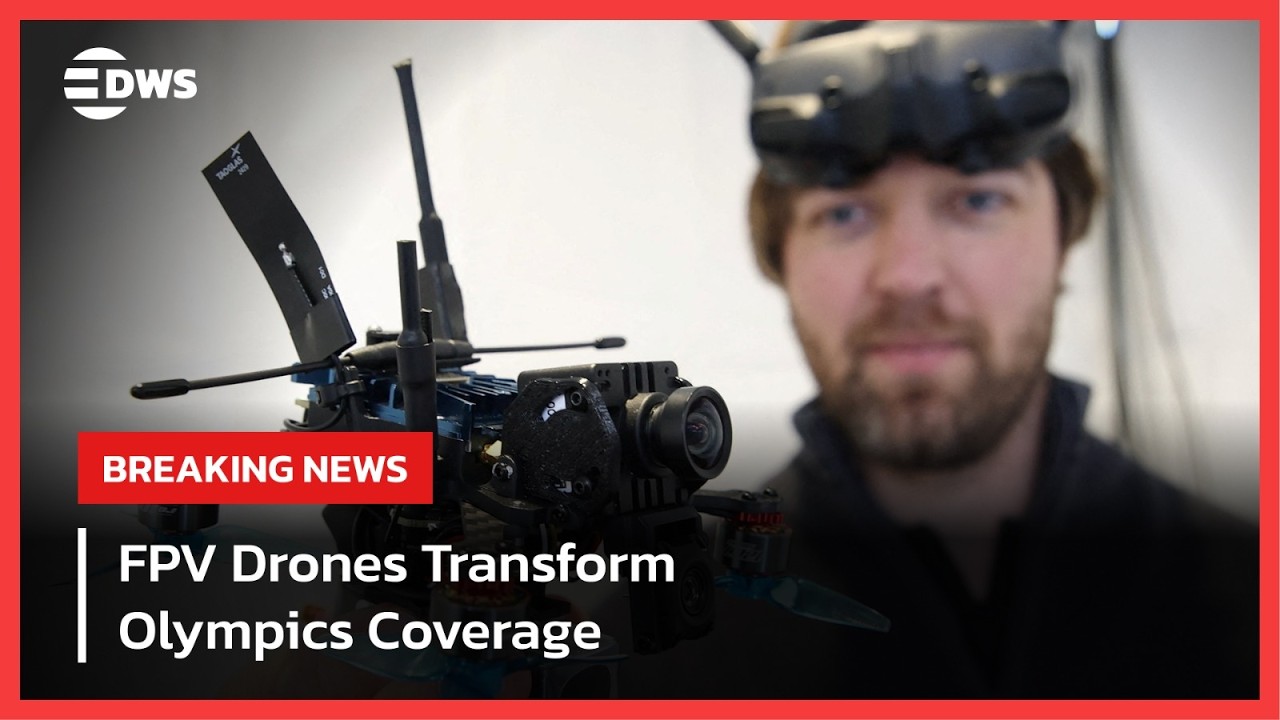
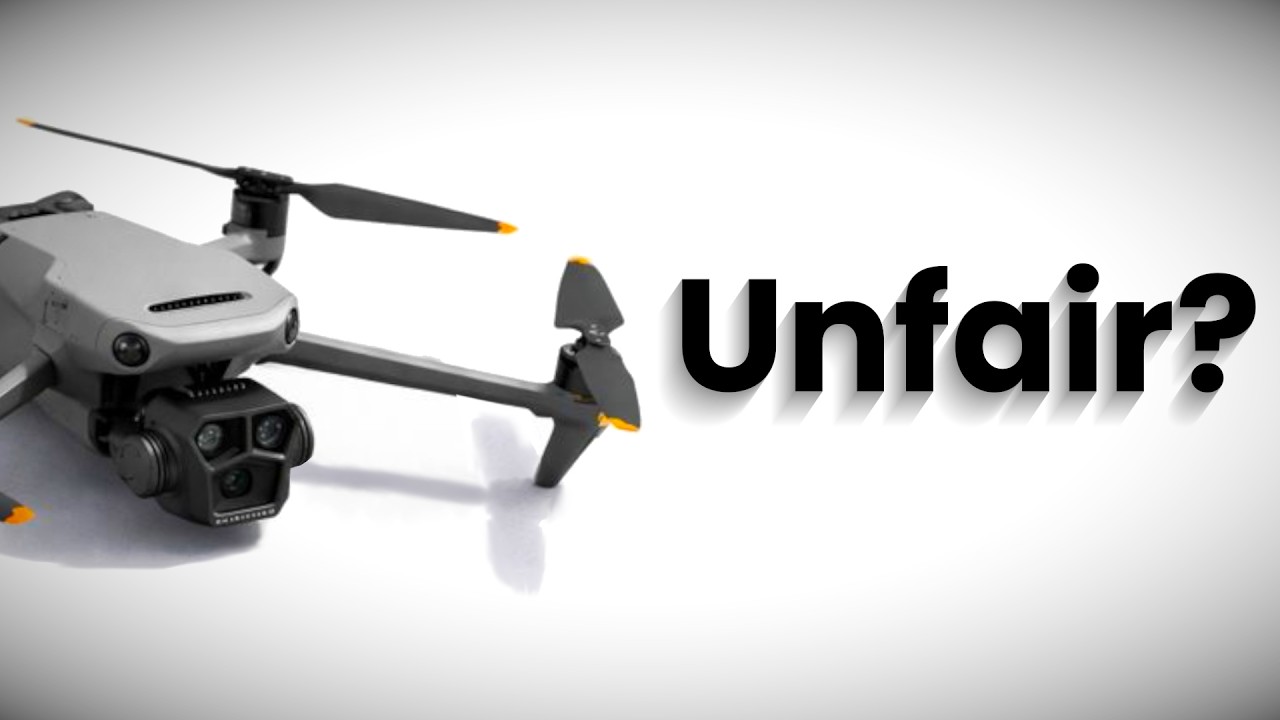
Drones, or Unmanned Aerial Vehicles (UAVs), have evolved from niche military tech into versatile tools that impact everything from filmmaking to agriculture. At their core, they are aircraft that operate without a human pilot on board, controlled either by a remote operator or through onboard computers.
Core Components
To understand how a drone works, it helps to look at the hardware that keeps it airborne:
The Airframe: The physical structure (often a "quadcopter" with four arms) designed to be lightweight and aerodynamic.
Flight Controller: The "brain" of the drone. It processes data from sensors (like gyroscopes and GPS) to maintain stability.
Propulsion System: Consists of the motors, electronic speed controllers (ESCs), and propellers that provide lift.
Power Source: Usually high-energy Lithium Polymer (LiPo) batteries.
Gimbal and Camera: Most consumer drones use a motorized gimbal to keep the camera steady, even if the drone is tilting or vibrating.
Popular Use Cases
Drones aren't just for hobbyists; they are serious industrial tools.
| Industry | Primary Use |
|---|---|
| Media & Film | Capturing sweeping aerial shots that previously required helicopters. |
| Agriculture | Monitoring crop health via thermal imaging and precision crop dusting. |
| Inspection | Checking power lines, bridges, and wind turbines for damage safely. |
| Public Safety | Search and rescue missions using infrared cameras to find missing persons. |
| Delivery | Transporting medical supplies or small packages in "last-mile" logistics. |
The Physics of Flight
Drones fly by manipulating the speed of their rotors. For a standard quadcopter:
Vertical Lift: All four rotors spin fast enough to overcome gravity.
Rotation (Yaw): Two rotors spin faster diagonally to turn the drone left or right.
Directional Movement (Pitch/Roll): Rotors on one
Повторяем попытку...

Доступные форматы для скачивания:
Скачать видео
-
Информация по загрузке: