Orson Welles Died Writing THIS Letter to Dean Martin—It Was Never Sent | Hollywood Secrets
Автор: Dean Martin : King of Cool
Загружено: 2026-01-22
Просмотров: 99
Описание:
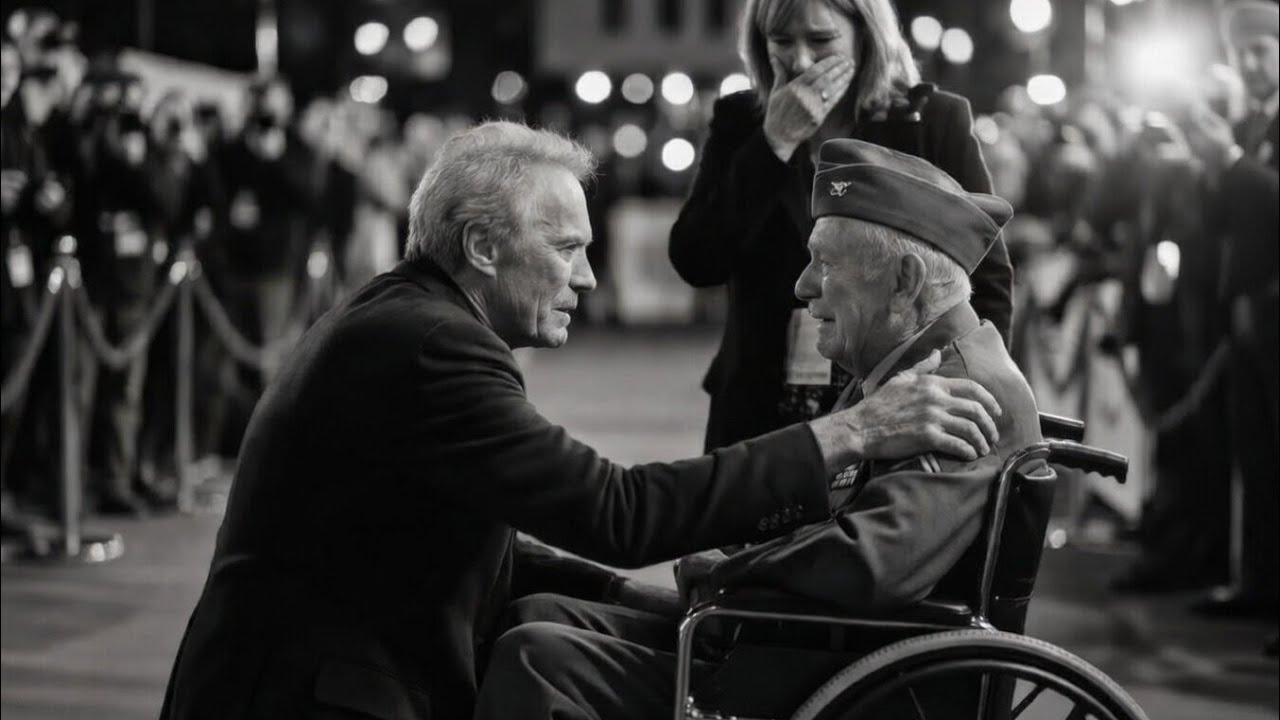
When Orson Welles put down his pen on October 9th, 1985, he had finally written the words he'd been too proud to say for seven years. The next morning, he was dead. And the letter to Dean Martin never left his desk.
In 1958, Orson Welles—the genius behind "Citizen Kane"—told the world that Dean Martin was "a clown in a tuxedo, not a real artist." The quote spread through Hollywood like wildfire. Everyone waited for Dean to fight back, to defend himself, to destroy the arrogant filmmaker who dared to insult him.
But Dean Martin did something nobody expected. He said nothing. Not because he didn't care. But because his father, Gaetano Crocetti, an Italian immigrant barber from Steubenville, Ohio, had taught him a lesson that would define his entire life: "Art lives in character, not genius."
Twenty years later, Orson Welles's career was in ruins. Hollywood had abandoned him. Studios refused to finance his films. He was broke, desperate, and out of options. His final masterpiece, "The Other Side of the Wind," was half-finished and dying.
At 2 a.m. on March 14th, 1978, Orson Welles did something he swore he'd never do. He picked up the phone and called the man he'd once called a clown. He called Dean Martin. And he begged for help.
What happened during that phone call was never supposed to become public. What Dean Martin did next—giving Welles $100,000 with no strings attached, no contracts, no ownership—should have been the end of the story. But it wasn't.
Because for the next seven years, Orson Welles carried a secret shame. He never said thank you. He never wrote a letter. He never acknowledged the grace Dean had shown him. Pride wouldn't let him. Ego wouldn't let him. Until it was too late.
On October 3rd, 1985, Welles found a copy of Dean's check in his old paperwork. Seven years old. "For art" written in the memo line. And something inside the dying filmmaker finally broke. For six days, he worked on a letter—writing, rewriting, searching for words worthy of the man he'd wronged.
He finished it on October 9th. He sealed it. He stamped it. And he put it on his desk to mail the next morning. But the next morning never came. Orson Welles died at his typewriter on October 10th, 1985. The letter was found on his desk, ready to be sent. But it never was.
For 34 years, that letter stayed hidden in Orson Welles's archives. Dean Martin never knew it existed. The world never knew what the greatest filmmaker in history had finally learned in his last week of life. Until 2019, when film historians discovered the letter and revealed its devastating truth.
What you'll discover in this video:
What Orson Welles said about Dean Martin in 1958 that shocked Hollywood
Why Dean Martin's silence was more powerful than any response
The barbershop lesson from Gaetano Crocetti that shaped Dean's entire philosophy
The desperate 2 a.m. phone call that changed everything
What Dean Martin said to Orson Welles that destroyed him: "Art lives in character, not genius"
Why Welles never said thank you for seven years
The letter Orson Welles spent his last week writing
What the letter revealed about genius, character, and redemption
Why this story was buried for 34 years
This is the story Frank Sinatra tried to erase from history. This is the hidden truth about the moment genius bowed before character. This is why Orson Welles died knowing that intelligence means nothing without dignity.
Timeline: 0:00 - The Letter That Was Never Sent 2:30 - 1958: "He's a Clown in a Tuxedo" 6:45 - Gaetano's Barbershop Lesson 10:20 - Dean's Silent Response 13:50 - 1978: The Desperate Phone Call 17:30 - The Nine Words That Destroyed Welles 20:45 - Seven Years of Shame 22:10 - The Last Letter 23:50 - The Legacy of Character
LEGAL DISCLAIMER: This video presents a historical narrative based on documented events, published letters, interviews, and biographical sources about Dean Martin and Orson Welles. The 1978 phone conversation has been dramatized for storytelling purposes based on accounts from Welles's partner Oja Kodar and the documented existence of Dean Martin's financial contribution. The letter from Orson Welles referenced in this video was discovered in his archives and its contents have been paraphrased and dramatized while maintaining fidelity to the documented emotional and factual truth of Welles's final days. This content is intended for educational and entertainment purposes.
If this story moved you, subscribe for more untold stories of Dean Martin—the man who proved that character will always triumph over genius.
#DeanMartin #OrsonWelles #CitizenKane #HollywoodHistory #UntoldStory #Character #Dignity
Повторяем попытку...

Доступные форматы для скачивания:
Скачать видео
-
Информация по загрузке: