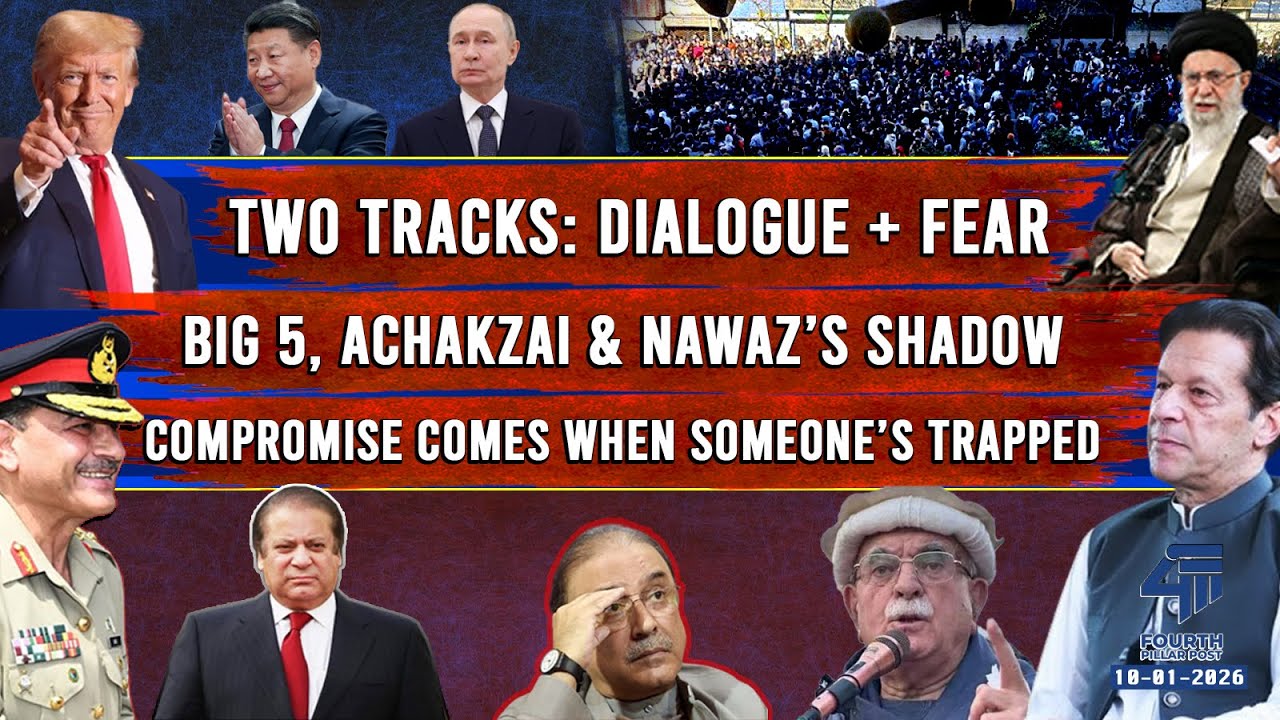
Pakistan’s Big Mistake: Locking Into Dependency While the World Turns Volatile
Автор: Fourth Pillar Post-English
Загружено: 2026-01-24
Просмотров: 36
Описание:
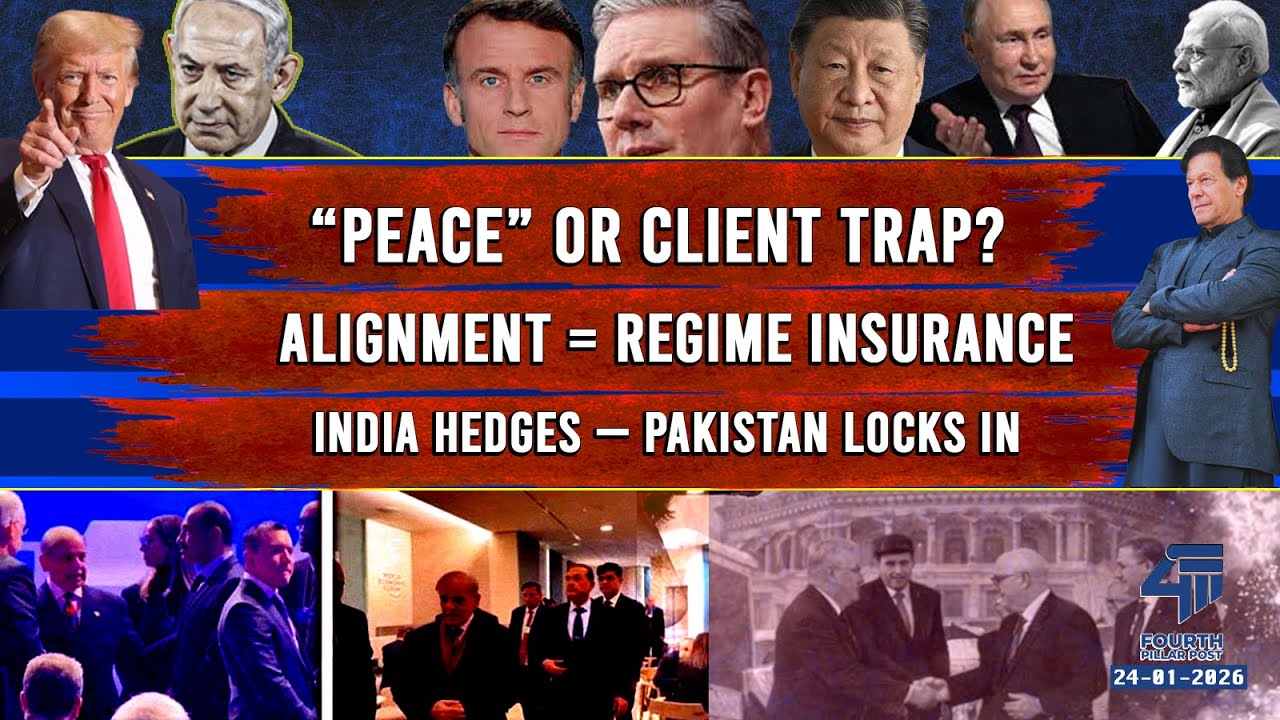
This week’s story didn’t start in Islamabad — it started in a global order that’s shifting through reliability crises, pressure blocs, and transactions. When the “guarantor” becomes unpredictable, states stop planning around ideals and start planning around leverage. In that environment, the most dangerous move for a fragile country is committing too early — because volatility rewards states that keep options open, and punishes states that become clients.
That’s why the so-called “Peace Board” ecosystem matters. It’s not diplomacy; it’s a client architecture packaged as peace: a permanent center, a control mechanism, financial commitments, and an implied enforcement layer. Davos exposed the logic clearly — Gaza is presented as a zone-based, investor-driven, security-framed “management” project, not a rights-based peace process. Private investment in a destroyed territory isn’t charity; it’s capture. And once a country signs into that architecture, it doesn’t just join a forum — it legitimizes a future leverage chain designed to make exiting later more expensive than joining now.
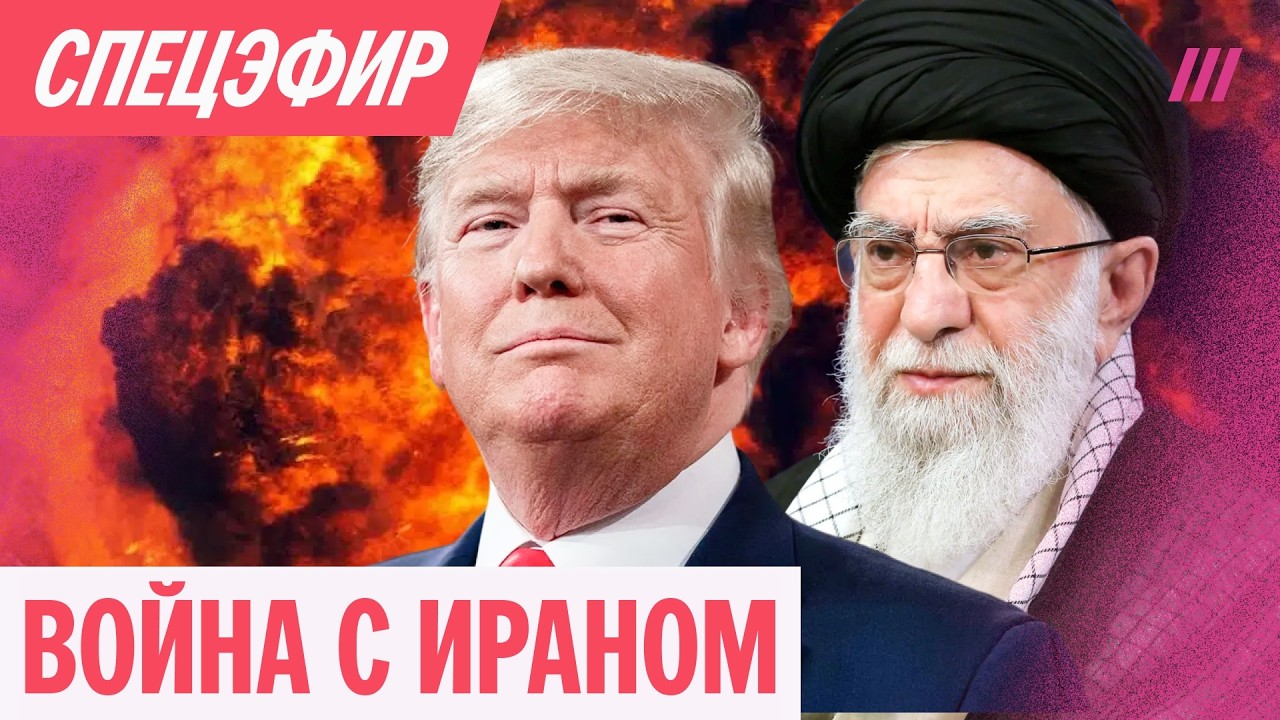
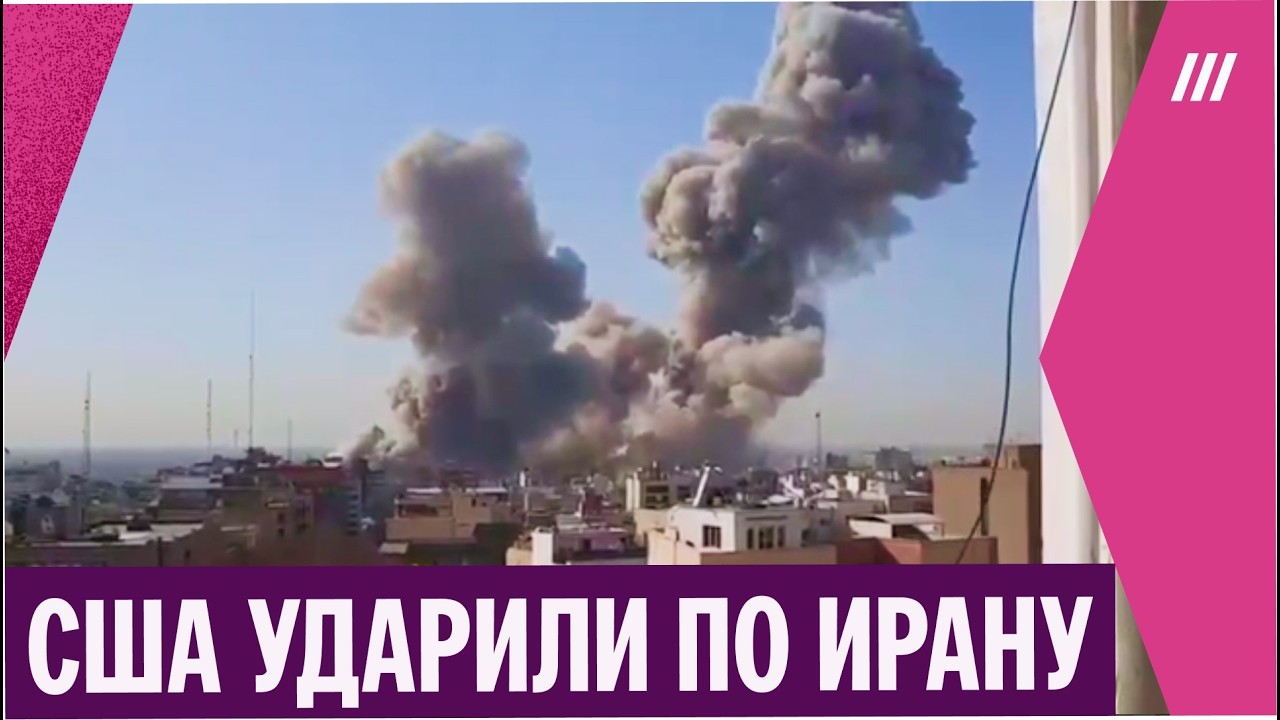
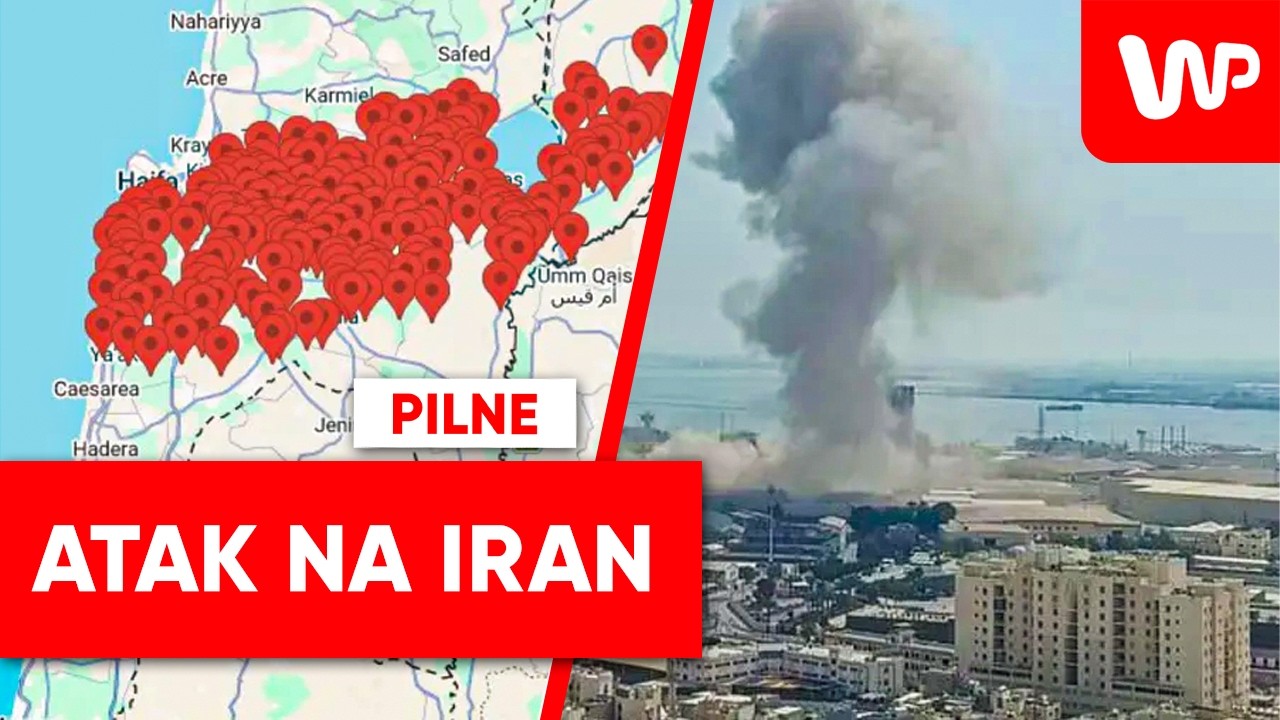
Zooming out, this is also why Pakistan’s current posture is strategically damaging. This isn’t “America” as a stable system — it’s a disruption phase that builds dependency and sells itself as the only broker. Meanwhile, China benefits from reliability collapses, Russia benefits when alliances crack, and Europe hedges under pressure. Iran sits at the heart of the region’s recalibration — and Pakistan, with weak buffers and no internal unity, can’t afford turning Iran into friction.
Then comes the contrast that defines the moment: India is converting volatility into upward mobility through hedging — resisting traps, stalling commitments, and keeping lanes open. Pakistan is treating volatility as fear — narrowing options and seeking cover. And when external alignment becomes regime insurance, internal politics must be remodeled to match it: shifting leverage upward, shrinking provincial resistance, and using coercion as a substitute for legitimacy. But coercion has a ceiling — and the most sensitive pressure valve in this story is KPK, where security operations, border politics, economic stress, and political suffocation collide.
The bottom line: the world is shifting, India is hedging and climbing, Pakistan is narrowing itself into dependency — and to protect that dependency move, the system is attempting internal power remodeling. If decision-making stays personal, fear-driven, and short-term, Pakistan won’t be outplayed by enemies — it’ll be outplayed by the logic of this moment.
#Pakistan #PakistanPolitics #Geopolitics #WorldOrder #MultipolarWorld #GlobalPolitics #InternationalRelations #StrategicAutonomy #ForeignPolicy #Davos #Gaza #Palestine #PeacePlan #PowerPolitics #Leverage #ClientState #Blocs #TransactionalPolitics #TrumpEra #USForeignPolicy #China #Russia #Europe #EU #India #Gulf #UAE #RegionalRealignment #Iran #Afghanistan #KPK #Balochistan #SecurityCrisis #PoliticalLegitimacy #Coercion #StatePower #HybridSystem #ConstitutionalChange #ProvincialAutonomy #Karachi #Governance #RegimeSurvival #StrategicRisk #PressurePolitics #AlliancePolitics #Sanctions #BorderPolitics #TradeRoutes #Deterrence #Stability #CrisisManagement #FourthPillarPost #PoliticalAnalysis
Повторяем попытку...
Доступные форматы для скачивания:
Скачать видео
-
Информация по загрузке: