Suzhou‘s Ancient Bricks: Where Palace Tiles Are Born, Guarded by Stray Dogs | 10 Nov 2024
Автор: Wandering with Ye Jun
Загружено: 2026-03-16
Просмотров: 3
Описание:
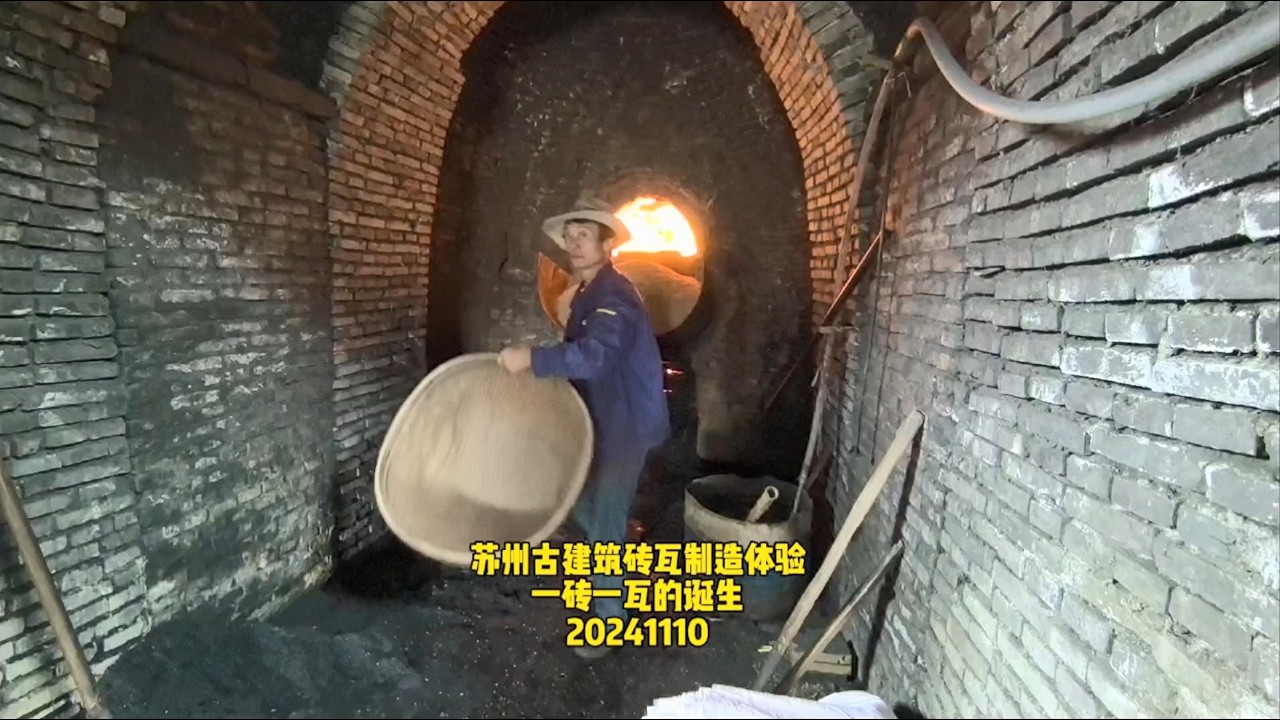
10 November 2024, Suzhou. A local friend took me to another high school classmate‘s family business—passed down for generations, specializing in bricks and tiles for traditional Chinese architecture.
By a lake in some township, the site is enormous, looking like a 1990s township enterprise. Casual footage by the filmmaker of Masters in the Forbidden City and Every Treasure Tells a Story.
———
A light morning rain meant no workers that day.
The factory director, a post‑70s guy, gave us a tour of the workshops. Ground still damp, air smelling of earth. Workshops stacked with grey bricks, cylindrical tiles, drip tiles—piles upon piles, like memories waiting to be awakened.
———
Suzhou has been a major brick‑making center since ancient times.
During the Ming and Qing dynasties, the kilns at Lumu (in today‘s Xiangcheng District) fired countless “golden bricks” for the Forbidden City. “Golden” not because they contain gold, but for their dense texture—“ring when struck, no holes when broken”—exclusively for the capital. Making a single golden brick requires thirty to forty steps—clay selection, kneading, molding, drying, kiln loading, firing, water soaking—taking up to a year.
The “iron‑filings yellow mud” unique to Yangcheng Lake—sticky but not slimy, powdery but not sandy—is ideal for molding. Bricks and tiles fired from this clay withstand wind and rain for millennia. Suzhou‘s Tiger Hill Pagoda, built over 2,000 years ago with such bricks and tiles, still stands intact.
———
Looking at those piles of bricks and tiles, a thought struck me:
Before a building takes shape, seeing its components separately—how could you imagine the final form? These bricks and tiles, separately, are just ordinary clay fired objects. But they’ll be transported somewhere, laid into walls, paved into floors, become temples, gardens, pagodas—vessels of history.
———
Jinxi was once Suzhou‘s “kiln village.”
Known since ancient times for its “seventy‑two kilns,” brick production peaked in the Qing dynasty. In the 1980s, with the rise of township enterprises, Jinxi boasted eight major brick factories, products exported to Singapore, Japan, and beyond. Even in the 1990s, imitation antique brick production flourished.
———
Stray native dogs barked as we walked the grounds.
Warning me off their territory, it seemed. The director chuckled: “They don’t know you yet. Next time you come, they‘ll be friendly.”
———
Where do we begin to understand a piece of land?
With its bricks and tiles—those stacks of grey bricks and cylindrical tiles, that earth waiting to be awakened.
With its history—Ming and Qing kilns, Tiger Hill Pagoda standing for two millennia.
With its everyday—workshops after morning rain, barking dogs, a post‑70s director showing us around.
#世界奇妙物语 #StrangeTalesOfTheWorld
#发现生活发现美 #DiscoverLifeDiscoverBeauty
#慢下来看世界 #SlowDownSeeTheWorld
#万物皆有灵性 #AllThingsHaveSouls
#忍不住拍照记录 #CantHelpButCapture
#每天都有值得记录的瞬间 #MomentsWorthRecordingDaily
#我在故宫修文物 #MastersInTheForbiddenCity
#如果国宝会说话 #EveryTreasureTellsAStory
#值得一看的纪录片 #DocumentariesWorthWatching
#日常生活里的快乐瞬间 #JoyfulMomentsInDailyLife
#万物生长 #AllThingsGrow
#一砖一瓦 #BrickByBrick
#古建筑 #AncientArchitecture
#探索与发现 #ExplorationAndDiscovery
#分享给有艺术细胞的你 #ForTheArtisticSoul
2024年11月10日,苏州。本地朋友带我去了另一个高中同学的家族企业,几代传承,专门给中国各地古建筑提供砖瓦。在一个乡镇的湖边,场地非常大,看着像一九九零年代的乡镇企业。
———
清晨下过小雨,工人们没上班。厂长是70后,带着我们转了转各个车间。地上还湿漉漉的,空气里有泥土的味道。车间里堆满了青砖、筒瓦、滴水瓦,一摞一摞,像等待被唤醒的记忆。
———
苏州,自古以来就是中国砖瓦制作的重镇。明清时期,苏州陆慕(今相城区)的窑火为紫禁城烧造了无数“金砖”。所谓金砖,并非含金,而是因其质地密实,敲之有声,断之无孔,专供京城而得名。一块金砖的制作,需经过取土、练泥、制坯、晾干、装窑、烧制、窨水等三四十道工序,历时长达一年。
阳澄湖畔特有的“铁屑黄泥”,粘而不烂,粉而不沙,是制坯的理想原料。用这种泥土烧制的青砖青瓦,耐风雨,千年不坏。苏州虎丘塔,两千多年前就是用这样的青砖青瓦堆砌而成,至今依然完好。
———
看着那些成堆的砖瓦,突然想到:当建筑没有整体成型搭建完之前,我们看到它的各个组件时,怎么能想象到它成型的样子?就像眼前的这些砖瓦,分开来看,只是泥土烧制的普通物件。但它们会被运到某个地方,砌成墙,铺成地,盖成庙宇、园林、古塔,成为历史的载体。
———
锦溪,曾是苏州的窑乡。自古就有“七十二只窑”之称,砖瓦生产在清代达到鼎盛。上世纪八十年代,随着乡镇企业兴起,锦溪先后出现八大砖瓦厂,产品远销新加坡、日本等地。九十年代后,仿古砖瓦生产依然红火。
———
在园区走动的时候,几只散养的土狗在汪汪汪叫。好像在警示我入侵了它的领地。厂长笑着说:“它们不认识你,下次来就熟了。”
———
我们从何处开始了解一片土地?
从它的砖瓦开始——从那一摞摞青砖筒瓦,从那些等待被唤醒的泥土。
从它的历史开始——从明清的窑火,从虎丘塔两千年的屹立。
从它的日常开始——从清晨小雨后的车间,从汪汪叫的土狗,从70后厂长带我们转过的每一步。
#゚世界奇妙物语 #慢下来看世界 #值得记录的瞬间 #我在故宫修文物 #如果国宝会说话 #值得一看的纪录片 #换个地方看看人间烟火 #古建筑瓦片工艺揭秘 #金砖 #万物皆有灵
Повторяем попытку...
Доступные форматы для скачивания:
Скачать видео
-
Информация по загрузке: