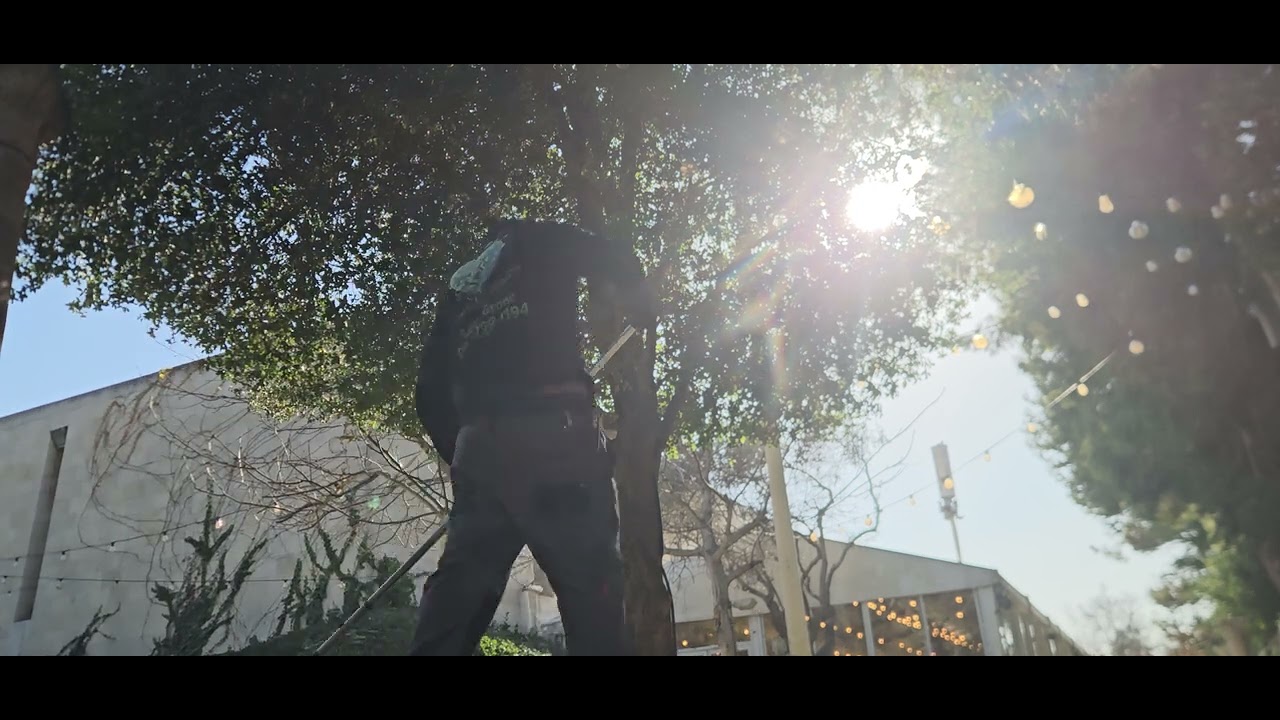
הכנות לשידרוג דשא starting a lawn renovation מוזיאון ארצות המקרא
Автор: AK Landscaping
Загружено: 2026-01-07
Просмотров: 8
Описание:
Reviving History: A Guide to Restoring the Bible Lands Museum Gardens
The Bible Lands Museum isn't just a repository of ancient artifacts; its exterior spaces are the first chapter in the story it tells. A lush, vibrant lawn in Jerusalem isn't just about aesthetics—it's about creating an inviting oasis that contrasts with the stone of the city and offers a space for reflection before stepping into history.
However, maintaining green space in Jerusalem's unique climate comes with challenges. Whether the grass is suffering from high foot traffic, heat stress, or irrigation issues, this guide outlines a strategic approach to bringing the museum’s grounds back to life.
Phase 1: Diagnosis & Assessment
Before a single seed is planted, we must understand the root of the problem.
Soil Analysis: Jerusalem’s soil can be rocky and alkaline. A professional soil test is essential to determine pH levels and nutrient deficiencies (specifically Nitrogen, Phosphorus, and Potassium).
Irrigation Audit: Are there dry spots? Is water being wasted on pavement? An audit of the sprinkler system is crucial. Often, brown patches are simply the result of clogged nozzles or broken heads.
Traffic Mapping: Identify where visitors walk most frequently. Grass in these "desire paths" may need to be replaced with stepping stones or harder-wearing turf varieties.
Phase 2: Selection & Preparation
Choosing the right grass for Jerusalem is critical. We aren't in Europe; we are in a Mediterranean climate with hot, dry summers and cool, wet winters.
The Right Turf:
Kikuyu (Pennisetum clandestinum): Extremely drought-tolerant and handles traffic well, though it goes dormant in very cold winters.
Tall Fescue: A good cool-season option that stays green year-round but requires more water in summer.
El Toro Zoysia: A fantastic middle-ground that tolerates heat and shade and feels soft underfoot.
Soil Amendment: Based on the soil test, till in organic compost to improve water retention. Aeration is likely needed to de-compact the soil from years of visitor foot traffic.
Phase 3: The Renovation Process
Scalping & Dethatching: Remove dead grass and the layer of debris (thatch) that sits between the green grass and the soil surface. This allows water and nutrients to penetrate.
Aeration: Use a core aerator to punch holes in the soil. This breathes life into the root system.
Overseeding/Sodding:
If patching: Overseed with a mix compatible with the existing lawn.
If restarting: Laying sod provides instant gratification and prevents erosion, a smart choice for a high-profile public institution.
Top Dressing: Apply a thin layer of compost over the new seed or sod to protect moisture levels.
Phase 4: Sustainable Maintenance
The goal is a lawn that thrives with the environment, not against it.
Pro Tip: "Water deeply and infrequently."
Smart Irrigation: Switch to smart controllers that adjust watering based on local weather data. Water early in the morning (around 4:00 AM) to minimize evaporation.
Mowing Height: Raise the mower deck. Taller grass shades the soil, reducing water loss and preventing weed germination.
Natural Feeding: Use organic fertilizers that release nutrients slowly, preventing the "burn" often caused by synthetic chemicals during heatwaves.
The Vision
Imagine a revitalized green space where school groups can sit for lunch, where tourists can rest their feet, and where the vibrancy of the living garden complements the timeless nature of the artifacts inside. By investing in the grounds, the Bible Lands Museum enhances the total visitor experience, proving that stewardship of the land is as important as stewardship of history.
Повторяем попытку...
Доступные форматы для скачивания:
Скачать видео
-
Информация по загрузке: