Watching the Sharp-tailed Grouse Dance!
Автор: Extra ORDINARY Nature - Myrna Pearman
Загружено: 2025-05-20
Просмотров: 787
Описание:
For untold millennia, a remarkable spring ritual has played out across the grasslands, parklands and woodland edges of North America. Spurred by some ancient and mysterious cue, male sharp-tailed grouse congregate each year in late March on ancestral dancing grounds to compete for the privilege of passing on their genes. Males defend a small territory within a large lek (also called an arena), vying with each other for the right to mate.
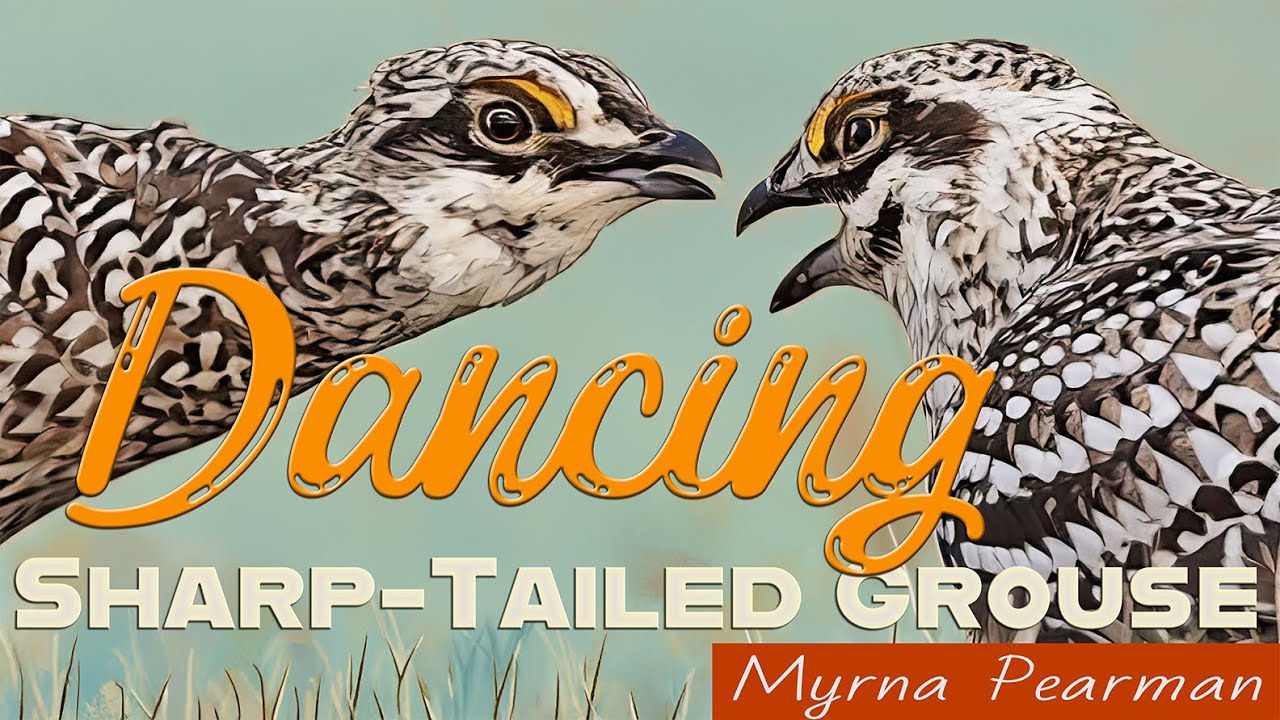
The dance of the sharp-tailed grouse is both comical and extravagant: with their tail feathers erect and white rear feathers all fluffed, the males lower their wings to the ground, stretch out their necks and vigorously stomp around in small circles. Their pounding feet produce a tinny rattling sound which is accompanied by weird vocalizations as well as booms emanating from purple neck air sacks. Bright yellow eyebrows add a garish touch to the theatrics.
The males dance alone or while facing others at the edges of their respective territories. They alternate between dancing frenetically and freezing motionless. Individuals will sometimes rush each other and there is occasional aerial combat. Sometimes two or three individuals will squat in front of each other to engage in glaring matches (with the odd peck thrown in for good measure). If a predator happens by, the males explode into the air and fly away. The lek remains abandoned until they deem it safe to return.
The birds usually dance for a few hours at dawn and then head off to feed for the rest of the day. They dance most vigorously in the spring but also reassemble on the leks in the fall to reestablish territories and dominance hierarchies.
Female sharpies appear at the leks during mid- to late April and wander through the maze of displaying males. The males, each desperate to become a chosen suitor, dance even more frenetically in her presence. The hen finally selects and then mates with the most impressive male before wandering off in search of a suitable nesting site. Like all lek species, the females form no pair bond with the males and the males have no part in looking after the young. The dominant males get to mate with several females while the subordinates dance in vain.
If you are interested in experiencing the grouse on their dancing grounds, contact the Wainwright Wildlife Society at / wainwrightwildlifesociety .
Donate one-time or monthly - If you would like to support my channel (content expenses/film editor) and the wildlife education and conservation work I do, please donate using this link. https://www.paypal.com/donate/?busine...
Myrna's website - https://www.myrnapearman.com
Myrna's Facebook page - https://www.facebook.com/profile.php?...
Повторяем попытку...
Доступные форматы для скачивания:
Скачать видео
-
Информация по загрузке: