How Pakistan Can Escape The IMF Trap? I Governance Crisis, Corruption & Instability
Автор: Haque Economics
Загружено: 2025-03-28
Просмотров: 2011
Описание:
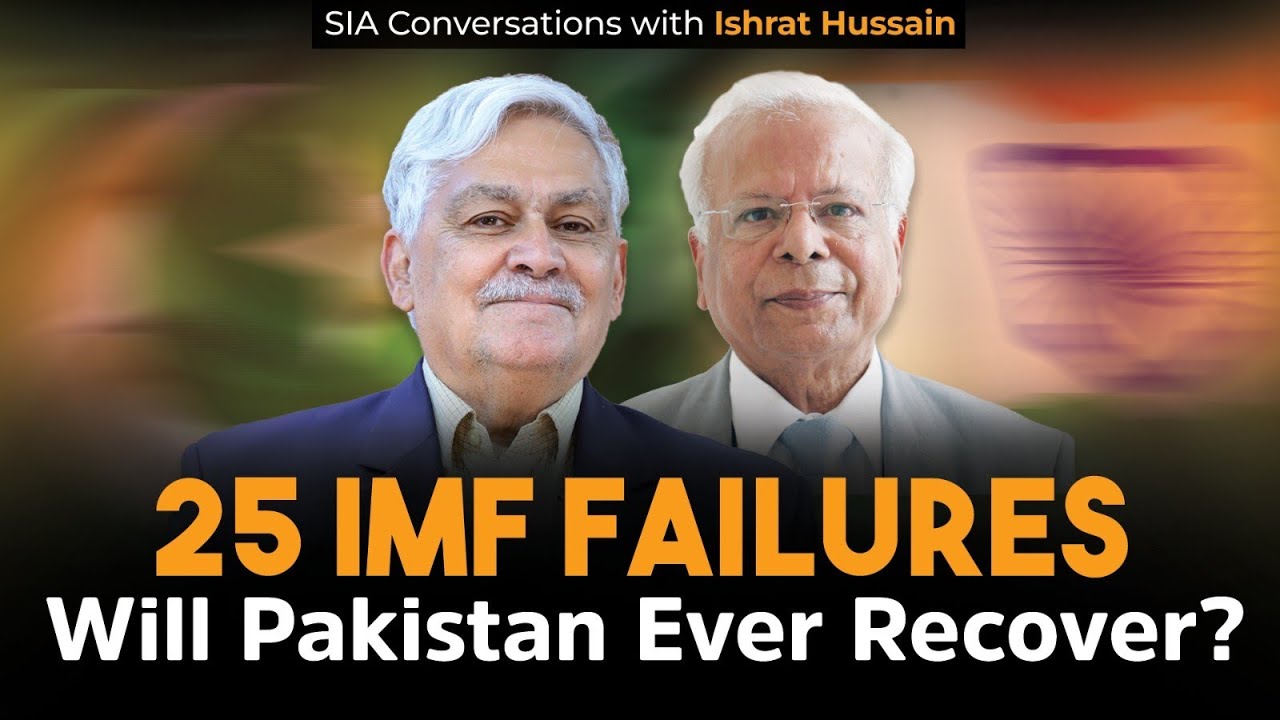
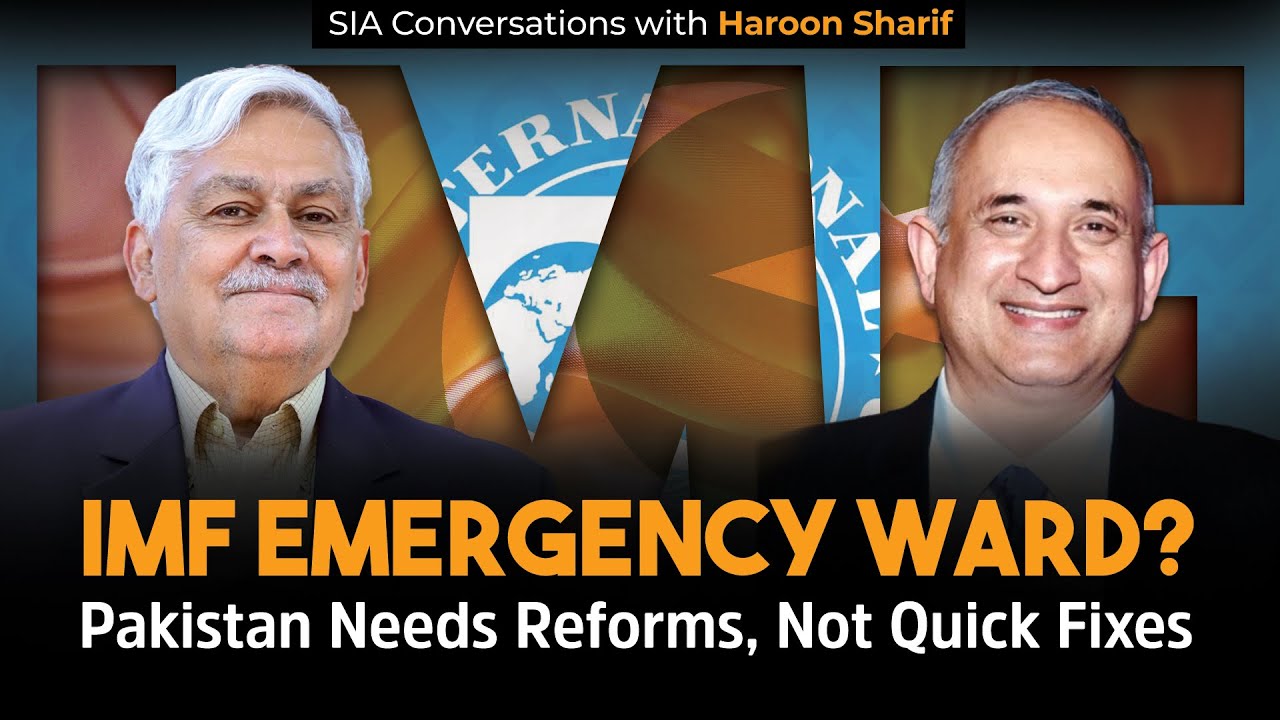
In this episode of SIA Conversations, Dr. Nadeem Ul Haque and Haroon Sharif engage in a thought-provoking discussion on Pakistan’s economic instability, the failures of repeated IMF programs, governance challenges, and the urgent need for structural reforms. They highlight why Pakistan has remained dependent on international financial aid and how short-term populist thinking has hindered long-term economic progress.
🔹 Key Discussion Points:
✅ IMF Programs & Pakistan’s Stability Crisis:
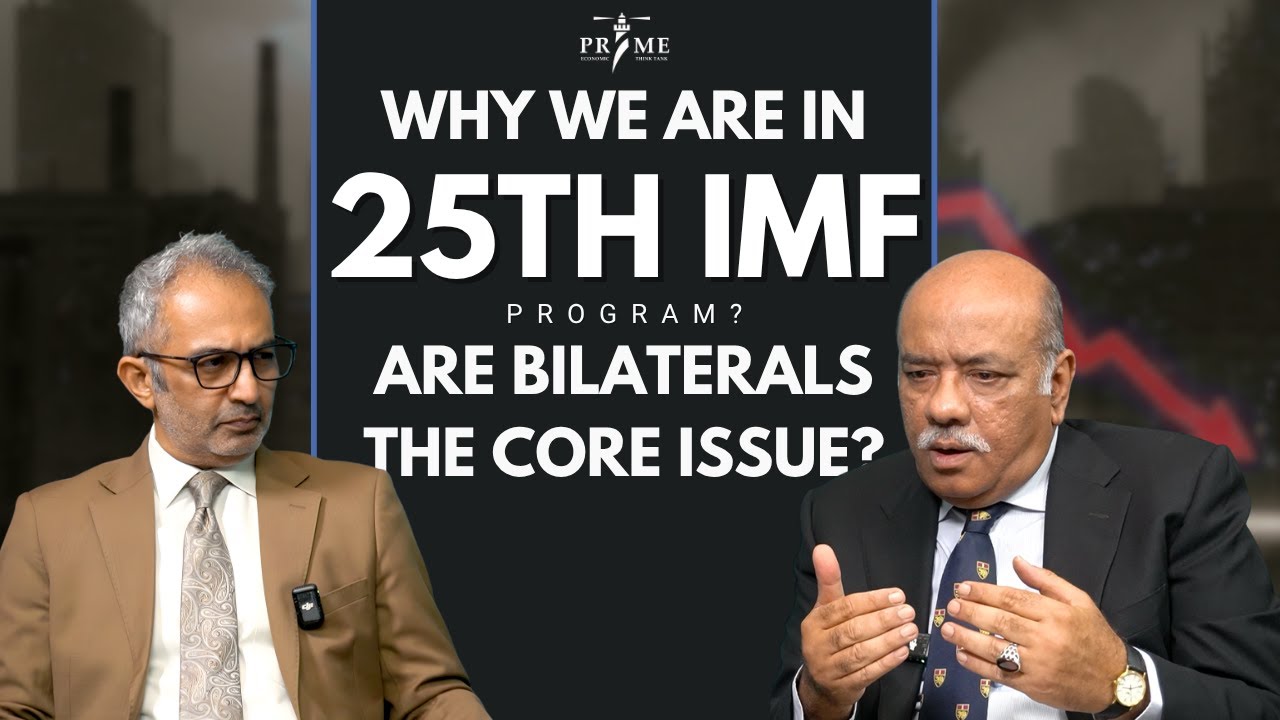
• Pakistan has undergone 25 IMF programs but still struggles with economic stability.
• Haroon Sharif criticizes the IMF’s one-size-fits-all approach, arguing that Pakistan needs a more localized reform strategy instead of external financial dependence.
✅ Economic Dependence & Short-Term Thinking:
• Pakistan’s economy suffers due to a dependency mindset and short-term populist policies by its ruling elite.
• Haroon compares Pakistan with successful East Asian economies that prioritized export-oriented policies and long-term economic planning over debt-driven financial strategies.
• The ongoing cycle of seeking cash injections from friendly countries is unsustainable and lacks an economic basis.
✅ Governance & Bureaucratic Failures:
• Haroon highlights excessive centralization and bureaucratic inefficiency, arguing that Pakistan’s decision-making is controlled by a small elite of political cronies and secretaries.
• He calls for decentralization, the implementation of local governments, and the closure of ineffective institutions like the Planning Commission.
• Resistance to reform is a major issue, and a cultural shift is needed to value professional advice over political favoritism.
✅ Policy Shifts for Economic Transformation:
• Haroon proposes cutting the size of government by half and redirecting funds to productive sectors to enhance productivity and economic efficiency.
• Policy consistency is crucial, as frequent policy changes deter investment and growth.
• The energy sector remains a major barrier, and decision-making should be delegated to competent professionals.
✅ Proliferation of Government Agencies:
• Pakistan has an excessive number of agencies and authorities that lack clear objectives, contributing to inefficiency.
• The role of the IMF and international financial institutions is questioned, with suggestions that they prioritize lending over meaningful economic reforms.
• Haroon emphasizes private sector involvement in reform but doubts its willingness to drive change.
✅ Pakistan’s Economic Model & Capitalist Struggles:
• Pakistan’s economy has shifted from a market-based model to a state-controlled system, creating confusion in economic policies.
• Unlike successful capitalist economies, Pakistan lacks large companies, a strong stock market, and an investment-friendly financial system.
• A transition to a true capitalist model requires structural reforms and the development of robust financial markets.
✅ Regulatory Challenges & Financial System Weaknesses:
• Many regulatory bodies were initially formed under donor programs but became ineffective once donor pressure subsided.
• Family-owned businesses hesitate to list on the stock market, limiting investment opportunities.
• Pakistan’s bank-based financial system lacks support for risk capital and entrepreneurship, hindering economic innovation.
• Multilateral institutions have failed to deliver meaningful governance reforms, leading to increased debt without real economic progress.
✅ Pakistan’s Economic Reforms & the Path Forward:
• Haroon and SIA emphasize that ideas matter more than finance when driving economic change.
• They criticize the colonial governance mindset imposed by international financial institutions, calling for Pakistan to open up to new ideas and regional investment opportunities.
• Transparency in budgeting and economic planning is essential, rather than relying solely on technical assistance from foreign agencies.
• The discussion concludes with a call for Pakistan to address its existential economic crisis by adopting serious structural reforms.
#Pakistan #EconomicCrisis #IMFprogram #IMFloan #ThinkTank #NadeemUlHaque #SIAthinktank #Ideas #Podcast #Debate
Повторяем попытку...
Доступные форматы для скачивания:
Скачать видео
-
Информация по загрузке: