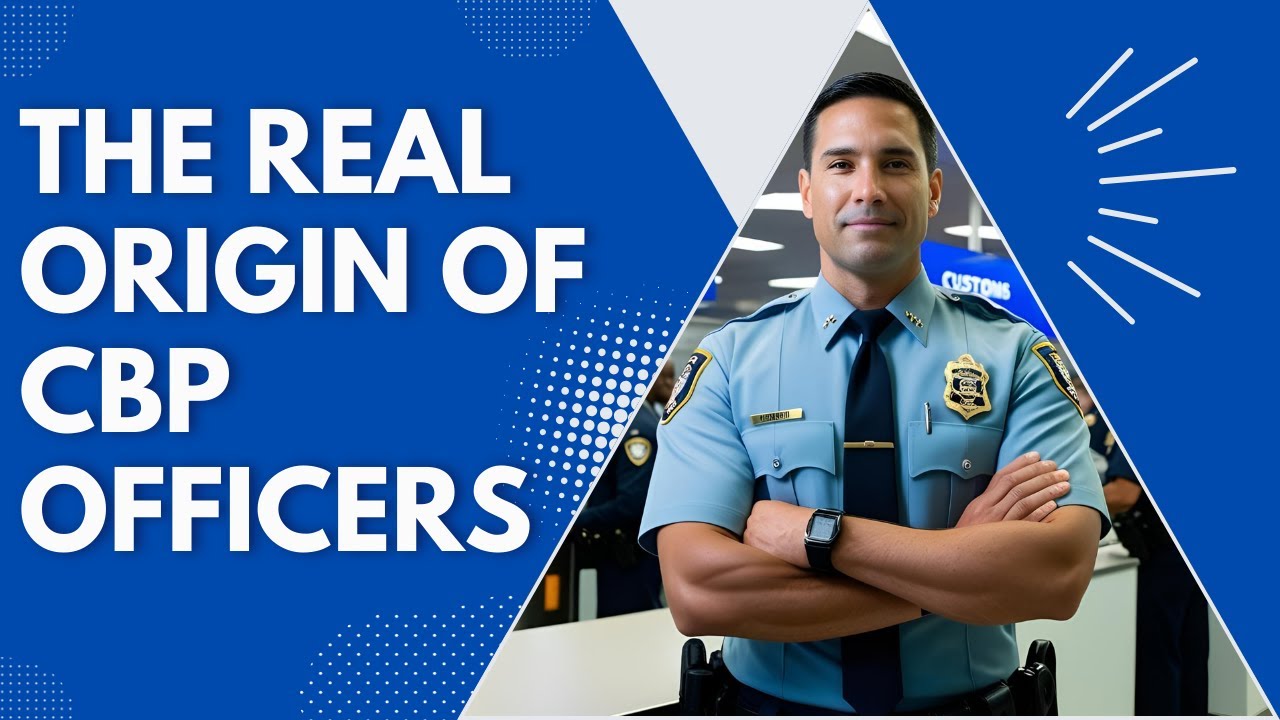
The Real Origin of CBP Officers
Автор: CBP and BP Interview Prep
Загружено: 2026-01-29
Просмотров: 14
Описание:
🔵 Premium plan: 2 COACHING LESSONS
💧 For those that feel secure about their performance
https://mitcgjeducationhub.mykajabi.c... You get TWO, one-on-one
🔴 Gold plan: 3 COACHING LESSONS
💧For those that realize they need focused help
https://mitcgjeducationhub.mykajabi.c...
You get THREE one-on-one lessons, plus recordings and access to both prep tests
🟢 Elite plan: 4 COACHING LESSONS
💧For those that need intense 1 on 1 assistance
https://mitcgjeducationhub.mykajabi.c...
You get FOUR one-on-one sessions, my personal phone for texts and calls, and access to both prep tests (96.6% success rate)
🟡 PLATINUM PLAN: 5 COACHING LESSONS
💧For those that need quiet, focused One on One Intense coaching explaining everything in detail, slow and measured
https://mitcgjeducationhub.mykajabi.c...
Breaking down the process step by step in a basic coherence methodology
Using STAR the CORRECT way
Full mock panel with competencies
Priority booking within 72 hours
Personal video critiques sent to you
15 minute pre-call before your actual interview
Any prep test you want, delivered
Many applicants assume the CBP Officer role was created as a brand-new, entry-level federal position. That assumption leads to one of the biggest misunderstandings in the hiring process. CBP Officers did not originate as civilians learning a new job — the position was built by merging experienced federal inspectors into a single, unified role.
Modern Customs and Border Protection was formed in 2003, following the September 11 attacks, under the Department of Homeland Security. When CBP was created, its frontline officers primarily came from two legacy agencies: U.S. Customs Inspectors and Immigration Inspectors. These inspectors already exercised federal authority at ports of entry long before the CBP name existed.
Customs Inspectors were responsible for enforcing trade laws, intercepting contraband, and protecting U.S. revenue. Immigration Inspectors made admissibility decisions that directly affected national security and public safety. Both roles required judgment, accountability, and the ability to make decisions with immediate consequences.
When these positions were consolidated into CBP Officer, the expectation was not that officers would “grow into” authority — it was that they would assume it immediately. That legacy still shapes how CBP hires today. The structured interview is not designed to test friendliness, storytelling ability, or personality. It is designed to evaluate whether a candidate can communicate sound judgment, integrity, and decisiveness under pressure.
Understanding where CBP Officers came from explains why the role is taken so seriously and why the hiring process is demanding. The position was never meant to be easy. It was built on responsibility from day one — and the interview reflects that history.
Hashtags (9)
#CBPO
#CustomsAndBorderProtection
#FederalLawEnforcement
#CBPCareers
#StructuredInterview
#LawEnforcementHiring
#BorderSecurity
#FederalCareers
#InterviewPrep
Повторяем попытку...
Доступные форматы для скачивания:
Скачать видео
-
Информация по загрузке: