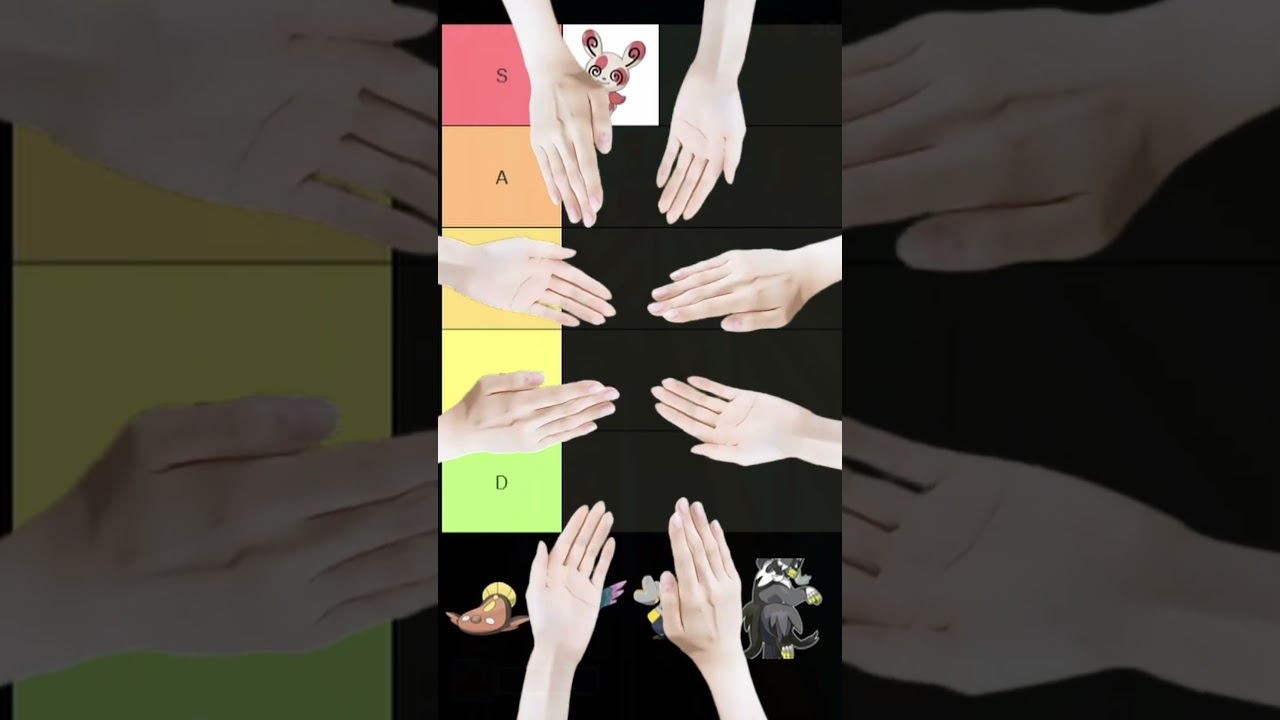
The Definitive Pokémon Tier List: Who Truly Deserves S Tier?
Автор: Accismus
Загружено: 2026-01-15
Просмотров: 428
Описание:
Be sure to like and subscribe for more fun and entertaining videos.
The tier list has become a staple in the language of gaming, competitive sports, and internet culture at large. What began as a simple ranking system to evaluate the strength of characters or strategies in video games has evolved into a cultural phenomenon, influencing everything from social media trends to how we discuss everyday topics. Understanding the history of tier lists provides insight into the development of competitive gaming, the internet's role in shaping communication, and the evolution of modern fandom culture.
The concept of ranking characters or elements based on their effectiveness in a given context predates the internet era, but it was within the world of competitive gaming where tier lists began to gain widespread recognition. The earliest known use of tier lists can be traced back to the competitive scene of fighting games, particularly with Street Fighter II in the early 1990s. As players sought to determine the best characters for winning tournaments, they began to rank them according to their perceived strengths and weaknesses.
Fighting games, with their complex mechanics and diverse roster of characters, provided an ideal environment for the tier list's creation. Players soon realized that certain characters were simply more advantageous than others in specific matchups. Characters like Chun-Li in Street Fighter II were widely considered to be top-tier, while others, like Blanka or Dhalsim, were seen as mid-tier or low-tier depending on the skill level and match conditions.
These rankings became a key part of the competitive discourse, guiding players’ choices and strategies. While these initial tier lists were based on player experience and theorycrafting, the introduction of the internet allowed these rankings to spread rapidly across gaming communities. Online forums and dedicated websites, such as GameFAQs and Smashboards, became central hubs for tier list discussions.
While fighting games laid the foundation, it was the Super Smash Bros. series that solidified tier lists as an essential part of the competitive gaming ecosystem. The release of Super Smash Bros. Melee in 2001 marked a turning point. The game's combination of fast-paced action, unique characters, and intricate mechanics made it the perfect canvas for tier list creation.
The Smash community quickly embraced tier lists as a tool for organizing characters by their competitive viability. The development of these lists was influenced by factors such as speed, combo potential, recovery options, and ease of use. Characters like Fox, Sheik, and Marth were regularly placed in the top tiers, while others like Ganondorf and Jigglypuff were often seen in lower tiers. These rankings became crucial in determining which characters were most “tournament viable,” and they sparked intense debates among players and fans.
The Smash tier lists also highlighted the growing complexity of competitive gaming. With the rise of professional tournaments and live-streamed events, tier lists became a conversation starter among players, commentators, and fans alike. Over time, the Smash community helped to refine the idea of tier lists, incorporating data from tournament results, matchups, and character usage rates. This shift towards an evidence-based approach to tier lists helped solidify their role in competitive gaming culture.
Though tier lists initially emerged within fighting games, their influence quickly spread to other genres. In real-time strategy games like StarCraft and League of Legends, tier lists began to serve a similar purpose: ranking the effectiveness of factions, heroes, or champions based on their current standing within the game’s competitive meta.
As gaming continues to evolve, and as internet culture keeps shifting and growing, it’s likely that tier lists will continue to be a significant part of how we organize, rank, and debate the world around us.
#Shorts #PokemonTierList #PokemonRankings #TierListTuesday #YouTubeShorts #PokemonCommunity #GottaCatchEmAll #PokemonFans #TierListDiscussion #PokemonStrategy #PokemonCompetitive #PokemonTrainers #TierListAnalysis #TopPokemon #PokemonMasters #PokemonBattle #TierList2022 #PokemonGaming #YouTubeGaming #PokemonGO #GamerCommunity #PokemonAddict #TierListReview #PokemonCountdown #YouTubeCreators #PokemonContent #TierListTips #PokemonWorld #SubscribeNow #PokemonClassified
Повторяем попытку...
Доступные форматы для скачивания:
Скачать видео
-
Информация по загрузке: