Refrigeration Impact on food preservation
Автор: Something New Everyday
Загружено: 2023-06-18
Просмотров: 1125
Описание:
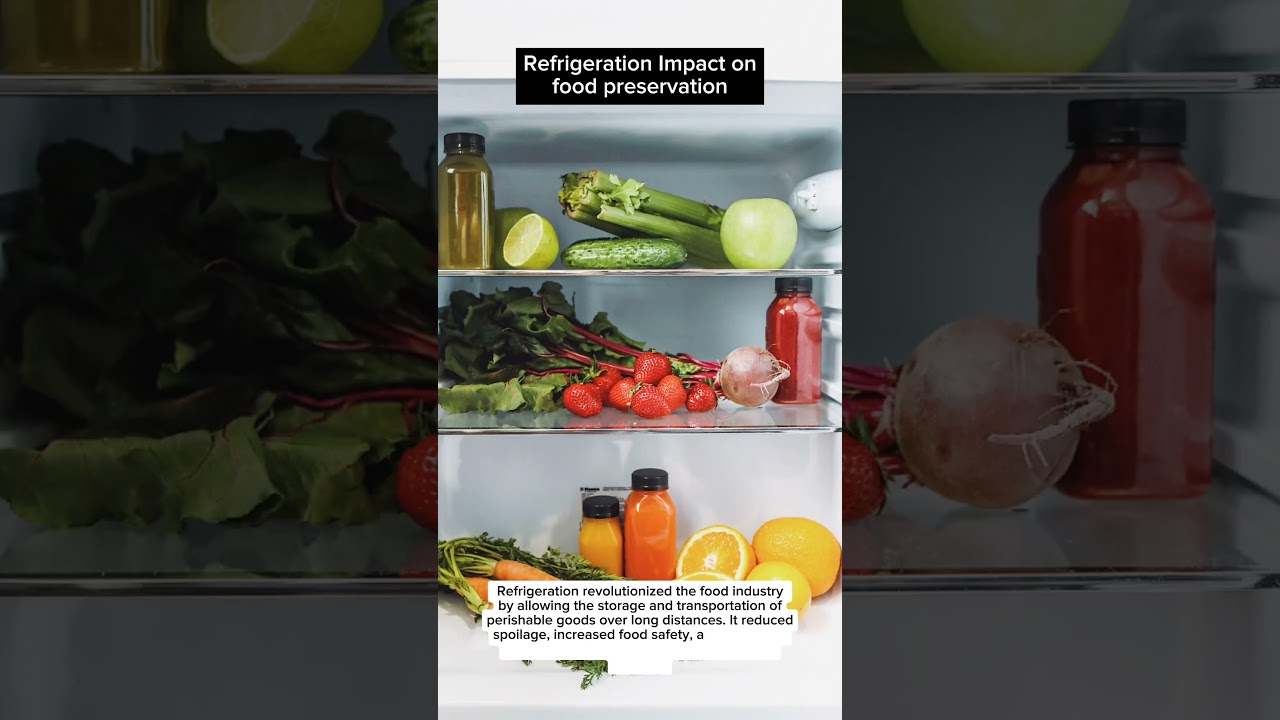
Refrigeration revolutionized the food industry by introducing a reliable and efficient method of storing and transporting perishable goods over long distances. Before the advent of refrigeration, food spoilage was a significant problem, limiting the availability of fresh produce and increasing the risk of foodborne illnesses.
Here's how refrigeration transformed the food industry:
Extended shelf life: Refrigeration slows down the growth of bacteria, molds, and other microorganisms that cause food spoilage. By keeping perishable foods at low temperatures, refrigeration inhibits the growth of these harmful organisms, extending the shelf life of fresh produce, dairy products, meats, and other perishable items.
Improved food safety: Proper refrigeration helps maintain food safety by preventing the rapid growth of pathogenic bacteria that can cause foodborne illnesses. Refrigerated storage inhibits the growth of bacteria such as Salmonella and E. coli, reducing the risk of contamination and food poisoning.
Year-round availability: Refrigeration allows for the preservation of perishable foods, enabling them to be stored and transported to different regions, even those with different growing seasons. This has significantly expanded the availability of fresh produce throughout the year, providing consumers with a wider variety of fruits and vegetables regardless of the local harvest season.
Global food trade: Refrigeration has facilitated the growth of the global food trade by enabling the long-distance transportation of perishable goods. With refrigerated shipping containers and cold storage facilities, fresh produce and other perishable items can now be safely transported across continents, opening up international markets and increasing access to a diverse range of food products.
Reduced food waste: By slowing down the spoilage process, refrigeration helps reduce food waste. Farmers, distributors, and retailers can store surplus produce and products for longer periods, ensuring they can be sold and consumed before they spoil. This has had positive environmental and economic impacts, as less food is wasted, and resources invested in production are maximized.
Food industry efficiency: Refrigeration has also enhanced the efficiency of food processing and manufacturing. It enables the preservation of raw ingredients and intermediate food products, allowing for more flexible production schedules and reducing the need for immediate processing or consumption. This has led to improved production planning, inventory management, and overall operational efficiency in the food industry.
Overall, refrigeration's impact on the food industry has been transformative. It has reduced spoilage, increased food safety, expanded the availability of fresh produce, facilitated global trade, and contributed to the reduction of food waste. The ability to store and transport perishable goods over long distances has revolutionized the way we produce, distribute, and consume food, leading to greater convenience, choice, and improved food security.
#shorts
#refrigeration
Повторяем попытку...
Доступные форматы для скачивания:
Скачать видео
-
Информация по загрузке:


