Life in −71°C Yakutia | How Elderly Women Survived Against All Odds
Автор: Dream Facts Studio
Загружено: 2026-01-07
Просмотров: 30
Описание:
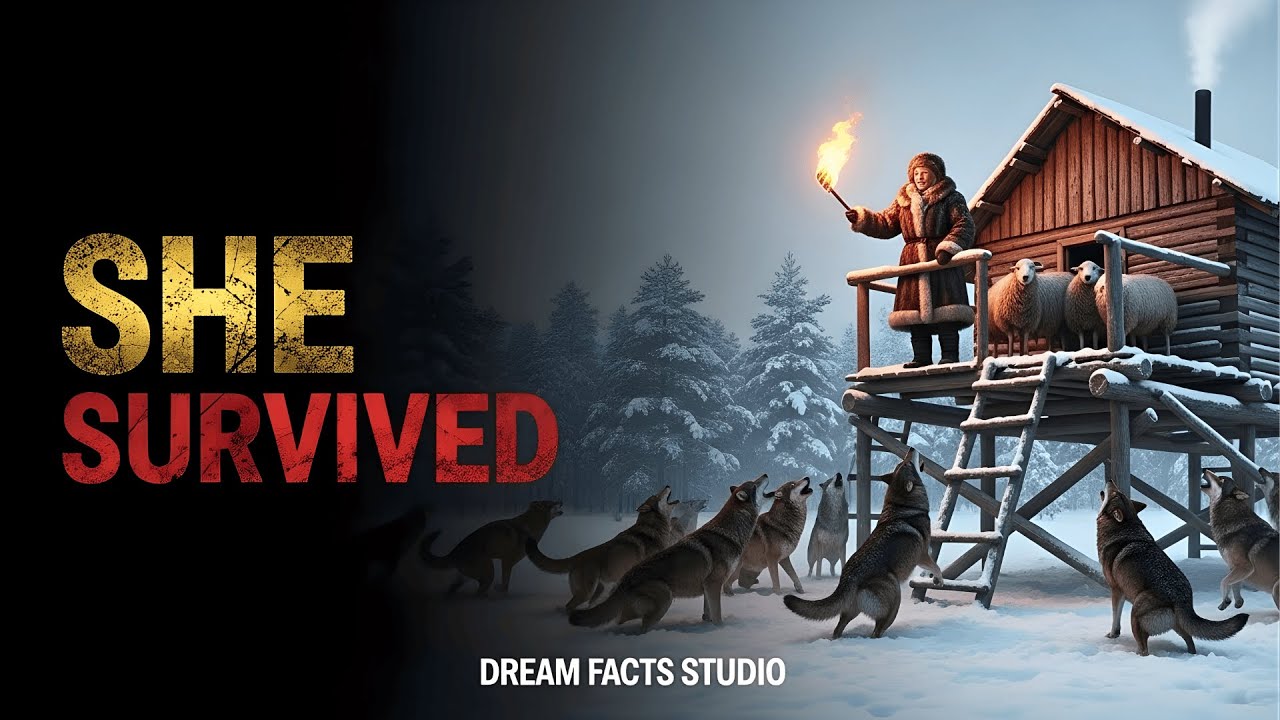
She Shouldn't Have Survived | How Elderly Women Lived Through Yakutia's −71°C Winters in the Past
The forgotten survival wisdom of Sakha grandmothers who endured the coldest inhabited place on Earth using methods modern science still cannot fully explain
Discover how traditional Yakut people survived Siberian winters in Oymyakon, where temperatures dropped below anything humans were meant to endure
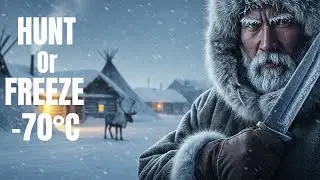
In the Sakha Republic of northeastern Siberia, there is a valley where temperatures have fallen to minus seventy-one degrees Celsius. At this temperature, exposed skin freezes in under a minute. Breath crystallizes and falls as ice dust before it leaves your lips. Metal becomes so cold it burns. Trees explode from the frozen sap within them. This is Oymyakon, the coldest permanently inhabited place on Earth. And for centuries, elderly women survived entire winters here without central heating, without modern insulation, without any of the technologies we assume are necessary for life in extreme cold. They should not have lived. But they did. And the methods they used reveal something profound about human adaptation and traditional knowledge passed down through generations of Yakut people.
This extended exploration descends into the frozen heart of Siberia to understand how the Sakha people developed survival systems refined over thousands of years. The grandmothers of Yakutia possessed knowledge that began with clothing. Reindeer fur contains hollow hairs that trap air in microscopic chambers, creating insulation superior to any synthetic material ever developed. The women wore layers engineered through centuries of observation, with inner garments of soft rabbit or hare fur worn against the skin, middle layers of squirrel or fox, and outer garments of dense reindeer hide with the fur facing outward to shed snow. Every seam was positioned to prevent heat loss. Every layer served a specific thermal purpose.
Their dwellings evolved to match the extreme environment. Traditional balagans were built partially underground, using the permafrost itself as insulation, with walls of packed earth and logs that could maintain survivable temperatures even when the air outside dropped to deadly levels. The construction methods had been refined across countless generations, each improvement paid for by lives lost to cold. By the time the grandmothers inherited this knowledge, the techniques were precise. The positioning of the hearth. The angle of the smoke hole. The thickness of the reindeer hides covering the entrance. Everything calculated for survival in conditions that seem impossible.
The Yakut people developed dietary practices that modern nutritional science is only beginning to understand. Raw frozen fish provided enzymes that cooked food lacks. Fermented mare's milk contained bacteria essential for cold-weather digestion. Animal fats consumed in quantities that would concern modern physicians provided the caloric density necessary to maintain body temperature through months of darkness. The grandmothers knew which foods to eat in which combinations, knowledge accumulated through millennia of arctic living, encoded in tradition and passed from mother to daughter.
What emerges from studying Yakutian survival is a portrait of human adaptability at its most extreme. The Sakha people did not merely endure these conditions. They built cultures, raised families, maintained communities, and grew old in temperatures that should have made all of this impossible. The elderly women who survived represented the accumulated wisdom of their entire civilization, living proof that traditional knowledge could accomplish what technology still struggles to match.
Another quiet chapter of human endurance awaits whenever you are ready.
Sources and References:
— Oymyakon temperature records: Russian Federal Service for Hydrometeorology
— Sakha traditional clothing construction: Siberian ethnographic studies
— Yakut balagan architecture: Arctic housing research, Russian Academy of Sciences
— Permafrost dwelling techniques: University of Alaska Fairbanks cold climate studies
— Traditional Yakut diet and survival: Indigenous knowledge documentation projects
— Reindeer fur thermal properties: Scandinavian textile research institutes
— Sakha Republic historical ethnography: Yakutsk State University
yakutia coldest place, oymyakon siberia, coldest inhabited place on earth, how people survive extreme cold, yakut people, sakha republic, siberian winter survival, traditional arctic survival, coldest village russia, surviving minus 70, extreme cold survival, siberia documentary, russian winter, permafrost living, indigenous cold survival, yakutia documentary, oymyakon winters, sleep documentary, history for sleep, calm documentary, how humans survive cold, traditional survival methods
📩 Business Inquiries: [email protected]
📌 FOLLOW ME & STAY CONNECTED:
🔹 Facebook:
/ 19ogev6ffw
Повторяем попытку...
Доступные форматы для скачивания:
Скачать видео
-
Информация по загрузке: