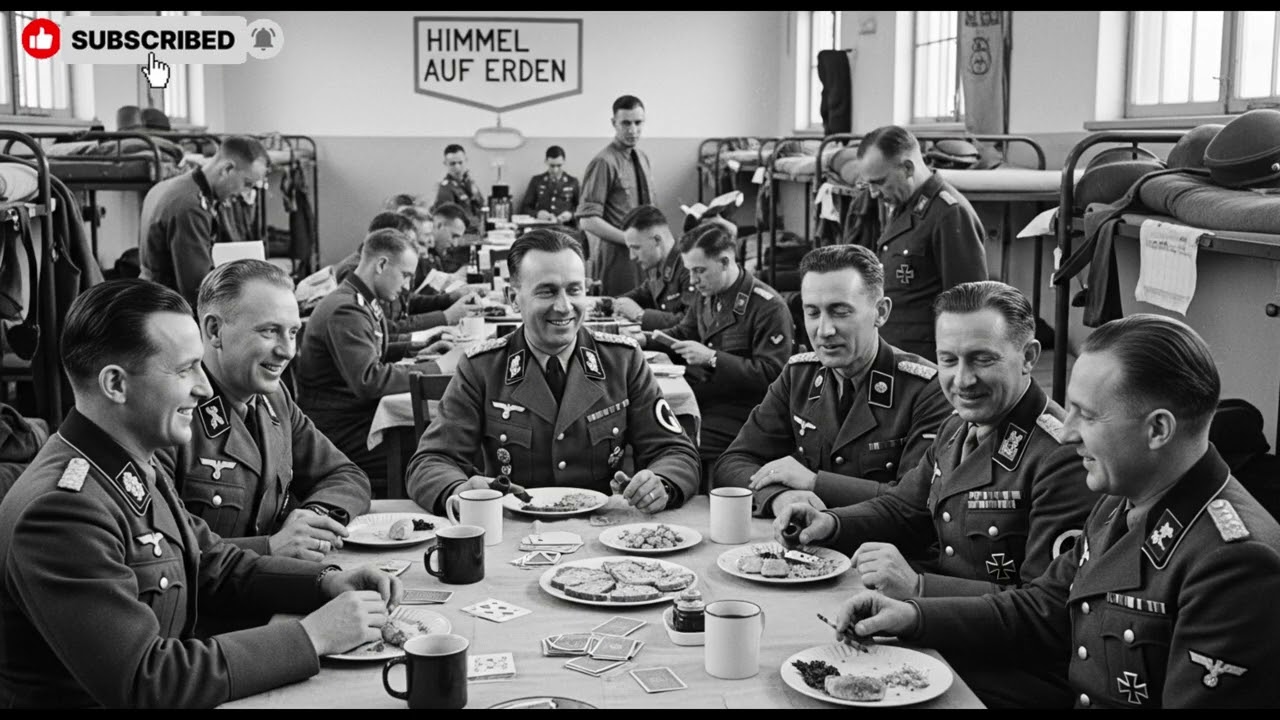
German POW Generals Called American Prison Camps "Heaven On Earth" | WWII Documentary
Автор: WW2 The Forgotten Stories
Загружено: 2025-11-06
Просмотров: 106
Описание:
When German generals surrendered in North Africa in 1943, they expected harsh treatment—perhaps even execution. Instead, they discovered something shocking: American prison camps that some would call "heaven on earth."
This documentary explores one of World War II's most controversial and fascinating stories: how the United States held over 425,000 Axis prisoners of war, including 43 high-ranking German generals and admirals, in conditions that shocked both the prisoners and the American public.
🎖️ WHAT YOU'LL DISCOVER:
• How German generals lived in private bungalows with gardens in Mississippi • Why General Von Arnim had his own car and driver as a POW • The massive Mississippi River Basin Model built partly by enemy soldiers • How prisoners were paid American military wages and could buy beer • The stark contrast between American and German POW camps • Why this humane treatment sparked outrage among American citizens • The long-term impact on post-war German-American relations
⚔️ THE SHOCKING DETAILS:
While American POWs starved in German camps, enemy generals in the U.S. were gaining weight, attending movies, playing sports, and living in better conditions than many had experienced before the war. Some prisoners wrote home saying they ate better as POWs than they did in the German army.
Camp Clinton in Mississippi became home to Nazi Germany's highest-ranking officers—men who had conquered half of Europe. They received the same treatment as American officers: comfortable quarters, recreational facilities, libraries, theaters, and even wine with dinner.
🤔 THE CONTROVERSY:
This wasn't charity—it was strategy. By adhering strictly to the Geneva Convention, America hoped Germany would reciprocate with American prisoners (though they rarely did). But it was also a calculated demonstration of democratic values versus totalitarianism, a showcase of what separated America from its enemies.
The policy faced fierce criticism. Labor unions protested. Newspapers demanded harsher treatment. Families of American POWs were outraged. Yet the Roosevelt administration held firm: maintaining principles, even in wartime, defined who America claimed to be.
📊 BY THE NUMBERS:
• 425,000+ Axis POWs held in the United States • 371,683 German prisoners • 43 high-ranking officers (25 generals, 3 admirals) • 700+ camps across 46 states • Millions of dollars in labor contributed to American economy • Lowest POW death rate of any major belligerent nation
🌍 THE LEGACY:
After the war, many former POWs returned to America—not as enemies, but as immigrants and friends. They brought their families to visit the camps where their lives were spared, where they learned about democracy, where they were treated as human beings despite being the enemy.
This isn't a simple story of American heroism. It's a complex tale about the cost of maintaining principles when it seems illogical, about holding to international law even when your own people are suffering, about choosing not to become what you're fighting against.
⏱️ TIMESTAMPS: 00:00 - Introduction: The Unexpected Prisoners 03:45 - The Capture: North Africa Campaign 08:20 - Arrival in America: Journey to Mississippi 12:30 - Camp Life: "Heaven on Earth" 20:15 - Labor & Purpose: Building America 27:40 - The Dark Contrast: American POWs in Germany 35:10 - Controversy & Criticism at Home 42:00 - Post-War Impact & Legacy 48:30 - Conclusion: The Cost of Principles
📚 SOURCES & FURTHER READING:
• National Archives - POW Records • Geneva Convention of 1929 • "Nazi Prisoners of War in America" by Arnold Krammer • U.S. Army Corps of Engineers - Mississippi River Basin Model • Camp Clinton Historical Records • Personal letters and testimonies from former POWs
🎬 ABOUT THIS DOCUMENTARY:
This film explores a chapter of WWII history that challenges simple narratives about good and evil, heroes and villains. It asks difficult questions: Was it right to treat enemy generals well while American soldiers suffered? Can maintaining principles during war be both moral and strategic? What does it mean to uphold your values even when facing genuine evil?
Through archival footage, expert interviews, and personal testimonies, we examine how America's treatment of enemy prisoners became both a point of pride and controversy—a decision that would shape international law and post-war relations for generations.
💬 JOIN THE CONVERSATION:
What do you think? Was America right to follow the Geneva Convention so strictly, even when Germany didn't reciprocate? Should enemy generals have been treated as harshly as they treated Allied prisoners? Or does maintaining principles in wartime define what separates democracy from tyranny?
Share your thoughts in the comments below. This history raises questions that remain relevant today.
🔔 SUBSCRIBE for more untold stories from World War II and military
Повторяем попытку...
Доступные форматы для скачивания:
Скачать видео
-
Информация по загрузке: