Mendel's Experiments | 9-1 GCSE Science Biology | OCR, AQA, Edexcel
Автор: Launchpad Learning
Загружено: 2018-08-31
Просмотров: 3664
Описание:
https://goo.gl/wrdeqh to unlock the full GCSE Biology & Combined Science videos series for the new 9-1 OCR, AQA and Edexcel specifications.
They key points covered in this video include:
1. Mendel and his peas
2. Hereditary units
3. Mendel's conclusions
Mendel and his Peas
Gregor Mendel was a monk living in Austria. He discovered how characteristics are passed on through generations - this is called the law of inheritance. Mendel crossed pea plants in order to make his discovery. For instance, he crossed a yellow pea plant and a green pea plant. He found that all the offspring were green pea plants. He then crossed two of these green pea plants together. This gave three green pea plants and one yellow pea plant. Why does this happen?
Hereditary Units
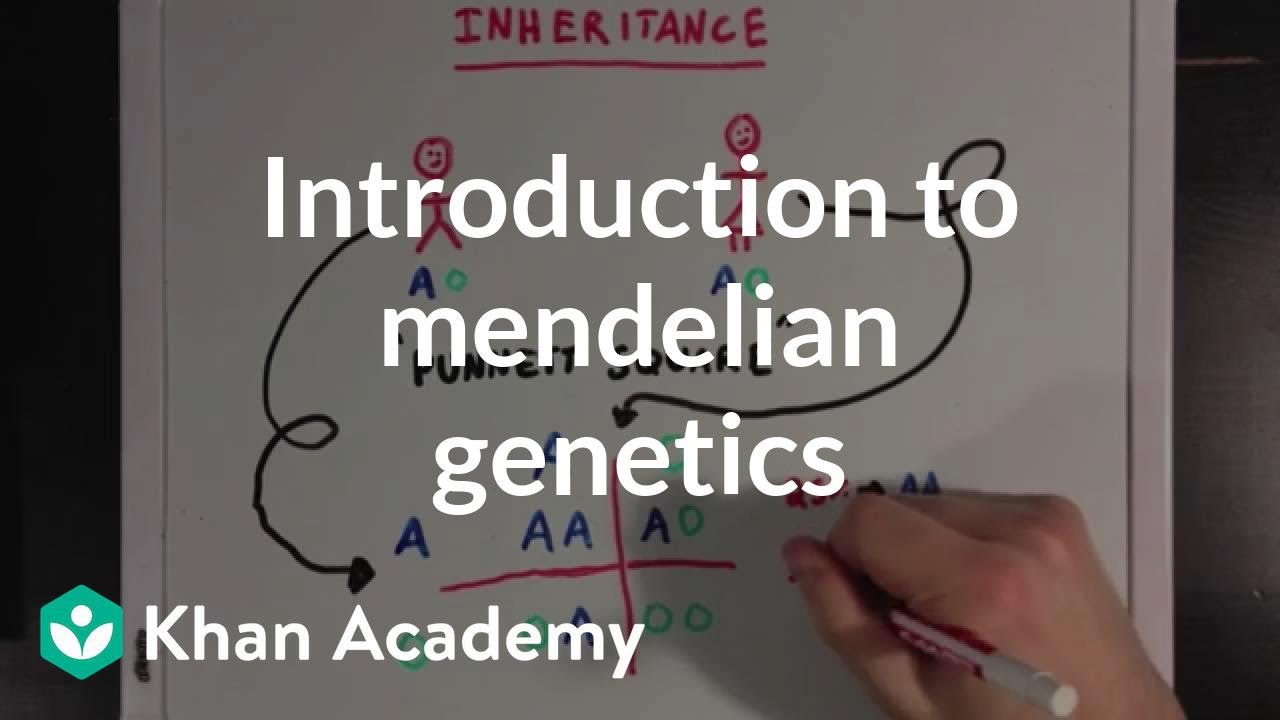
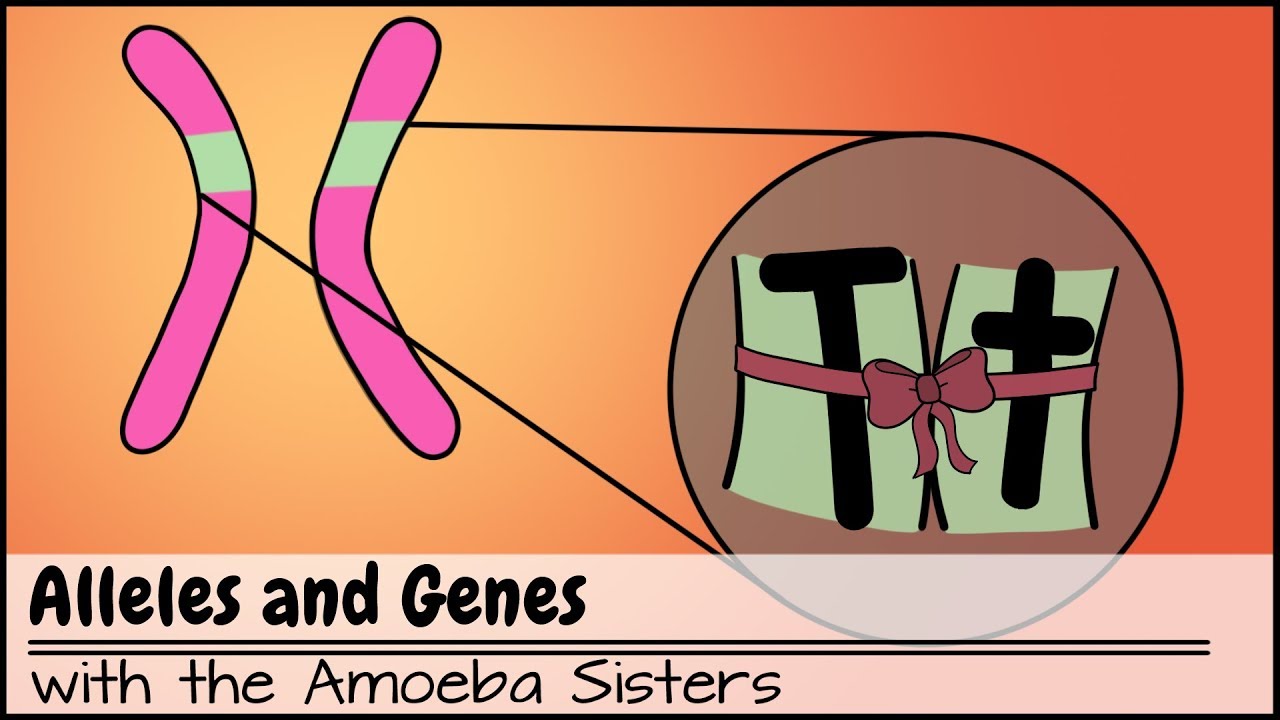
Mendel's experiments with plants led him to his discovery that characteristics can be inherited separately - these are called discrete characteristics. He called these characteristics "hereditary units" as he didn't know what led to their expression. Hereditary units are actually genes and we can explain Mendel's results using genetic diagrams. We can use the capital letter G to represent the allele that causes the green colour, and we can use the lowercase letter g to represent the allele that causes the yellow colour in pea plants. Allele G is dominant, allele g is recessive. Mendel's first cross can be represented by this Punnet square: All the offspring are green but they all carry the allele g that causes a yellow colour. Allele G is dominant as the plants which are heterozygous with alleles Gg are green. Mendel's second cross (using two green pea offspring from the cross above) can be represented by this Punnet square: We can see that there is a 3:1 ratio of green to yellow pea plants.
Mendel's Conclusions
Mendel's experiments led him to conclude: Characteristics in plants are determined by hereditary units. These hereditary units can be passed on unchanged from both parents to the offspring - one unit from each parent. Hereditary units can be dominant or recessive - if the unit is dominant it will always be expressed. Mendel's work was extremely important in the field of genetics. Other discoveries, such as the discovery of genes and DNA also led to advances in genetics.
Summary
1. Gregor Mendel was a monk who discovered characteristics can be inherited
2. These characteristics are called "hereditary units"
3. These are actually genes
4. This discovery was essential to understand genetics
Повторяем попытку...

Доступные форматы для скачивания:
Скачать видео
-
Информация по загрузке:








![D3.2 Principles of Inheritance [IB Biology SL/HL]](https://imager.clipsaver.ru/YRCCuPvOA0s/max.jpg)