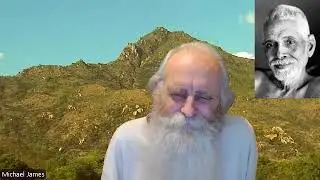
2020-06-14b Sri Ramana Center, Houston: Michael James discusses the five sheaths and three bodies
Автор: Sri Ramana Teachings
Загружено: 2020-06-15
Просмотров: 1700
Описание:
In a meeting with Kumar of Sri Ramana Center, Houston, on 14th June 2020 (via Zoom), Michael James discusses the classification of the five sheaths as three bodies, specifically in answer to the following request:
Today I noticed this excellent blog: https://happinessofbeing.blogspot.com... [in which verses 957 and 958 of Guru Vācaka Kōvai are quoted and explained]. While commenting on GVK verse 957, Sri Sadhu Om quotes from Vichara Sangraham as follows: “All the three bodies [gross, subtle and causal] consisting of the five sheaths are included in the feeling ‘I am the body’. If that one [i.e. the identification with the gross body] is removed, all [i.e. the identification with the other two bodies] will automatically be removed. Since [the identification with] the other bodies [the subtle and causal] survive only by depending upon this [the identification with the gross body], there is no need to remove them one by one.” However, he didn’t explain this further. Can you please explain the three ‘bodies’ and how these three ‘bodies’ correlate with Bhagavan’s message in GVK verse 957.
The passage from Vicāra Saṅgraham referred to here is the first three sentences of the fourth and final paragraph of the first section:
தேகம் நானென்பதில், பஞ்சகோச ரூபமான மூன்று தேகங்களும் அடங்கிவிட்டன. அது ஒன்று நீக்கப் பட்டால், எல்லாம் தானே நீங்கிவிடும். இதைப் பற்றியே மற்ற தேகங்களும் ஜீவித்திருப்பதால், பிரத்தியேகம் நீக்கத் தேவையில்லை. நினைப்புமாத்திரமே பந்தமென்று சுருதிகள் முறையிடுவதால், நானெனும் நினைப்பு ரூபமான மனதை அவரிடத்திலேயே (ஆத்மாவிடத்திலேயே) இருத்தி விட்டு, அவரை மறவாது சும்மா இருப்பதே சிரேஷ்ட சாதனமென்பது சுருதிகளின் முடிவான ஸித்தாந்தம்.
dēham nāṉ-eṉbadil, pañca-kōśa rūpam-āṉa mūṉḏṟu dēhaṅgaḷum aḍaṅgiviṭṭaṉa. adu oṉḏṟu nīkka-p-paṭṭāl, ellām tāṉē nīṅgiviḍum. itai-p paṯṟiyē maṯṟa dēhaṅgaḷum jīvittiruppadāl, pirattiyēkam nīkka-t tēvai-y-illai. niṉaippu-māttiramē bandham-eṉḏṟu śurutigaḷ muṟaiyiḍuvadāl, nāṉ-eṉum niṉaippu rūpam-āṉa maṉadai avariḍattilēyē (ātmāviḍattilēyē) irutti viṭṭu, avarai maṟavādu summā iruppadē śirēṣṭha sādhaṉam-eṉpadu śurutigaḷiṉ muḍivāṉa siddhāntam.
English translation: In what is called ‘the body is I’ [namely ego, the false awareness that is always aware of itself as ‘I am this body’], all the three bodies, whose form is five sheaths, are included. If this [the false awareness ‘I am this body’] alone is removed, all [the five sheaths or three bodies] automatically be removed. Since all the other bodies live [or subsist] only grasping [or depending on] this [the false awareness ‘I am this body’], there is no need to remove [them] individually [or one by one]. Since the śrutis [the most sacred texts, namely the Vedas] complain that thought alone is bondage, the final conclusion of the śrutis is that [by] fixing the mind, whose form is the thought called ‘I’, in him alone (in oneself alone), just being without forgetting him is the pre-eminent means.
An MP3 audio copy of this video can be downloaded from https://mediafire.com/?pm9d42il4c5qy53
Повторяем попытку...

Доступные форматы для скачивания:
Скачать видео
-
Информация по загрузке: