Is coronavirus turning Britain into a police state?
Автор: Yavis Breaking News
Загружено: 2020-03-31
Просмотров: 86
Описание:
►►► Subscribe free: http://bit.ly/YavisBreakingNews
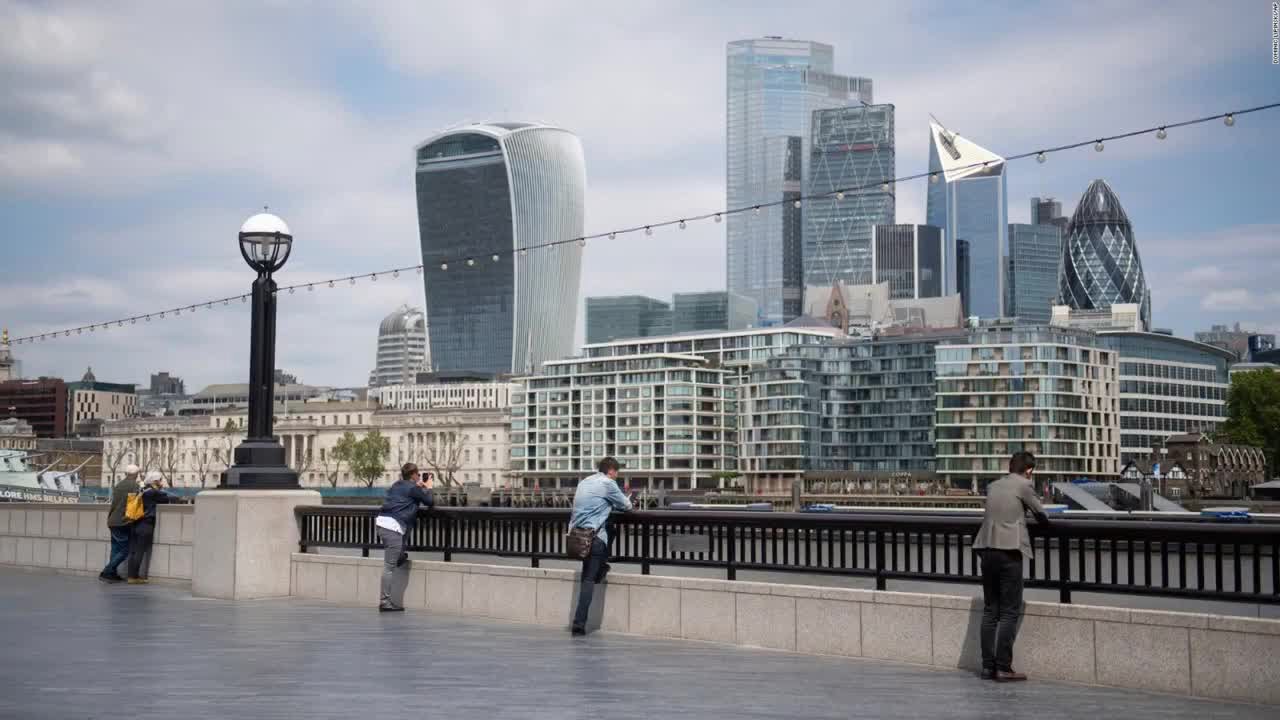
London
Drones filming couples as they walk their dogs through the countryside, drivers sent to court after being spotted on the road, a lawmaker admonished in public for dropping in on his father's 78th birthday.
The coronavirus crisis has upended norms in almost every Western society, giving rise to ways of life that would have seemed unimaginably Orwellian just a month ago.
But in the United Kingdom, there is a unique growing concern around draconian tactics and overreach by police forces since Prime Minister Boris Johnson announced lockdown measures on March 23.
Police in the town of Warrington in northern England were criticized last weekend for issuing a citation to six people for a variety of apparently minor acts. One recipient was "out for a drive due to boredom," the force said on Twitter Sunday, while a group of people from the same household were stopped by officers for "going to the shops for non-essential items."
Several other forces have publicized details of their own similar responses, which include spot road checks on anyone seen driving. Meanwhile, a trade body for convenience store workers said "heavy-handed" officers were telling shopkeepers they couldn't stock Easter eggs, lashing out at "overzealous enforcement and a misreading of the rules."
Figures from across the political spectrum have raised concerns.
A former UK Supreme Court Justice, Johnathan Sumption, warned British policing risks slipping into territory usually occupied by authoritarian regimes and dictatorships.
"This is what a police state is like," Sumption told BBC Radio on Monday. "It is a state in which a government can issue orders or express preferences with no legal authority, and the police will enforce ministers' wishes."
Legislation speedily introduced last week allows officers to fine people gathering in groups of more than two or leaving their homes without a good reason, and the measures are less severe than in several other countries.
But those increased powers have nonetheless created an awkward dynamic in a country where police do not carry arms, and where the friendly caricature of a "bobby on the beat" still resonates.
The confusion is only heightened by the fact that Britain's lockdown is looser than those in countries such as Italy or Spain. People are permitted to leave their homes to shop for basic necessities, exercise, providing medical services, or going to work if it is absolutely vital.
Futher confusion has arisen because the rules are being interpreted differently -- including by the UK government. When he announced the restrictions, Johnson said that people would be permitted to leave their homes to take one form of exercise a day. That guidance is repeated on the government's website.
But the regulations themselves do not specify a number or type of exercise, saying only that people are permitted to leave "to take exercise either alone or with other members of their household."
The Transport Secretary, Grant Shapps, told BBC Radio on Tuesday that people should not drive to a rural location to to take their dog for a walk -- yet that's not banned in the regulations, either.
Police urged to maintain public trust
Widespread debate about police coronavirus tactics first emerged last week, when Derbyshire's force posted a video of drone footage showing unwitting people walking through the area's Peak District National Park.
The clip highlighted a number of vehicles at a roadside stop, before featuring a couple walking their dog, and another man going for a walk by himself.
It did not appear obvious that either party was flouting the government's guidelines on outdoor exercise. But the guidelines also warn against traveling, leading Derbyshire Police's video to label the trips "not essential," sparking a backlash online.
"We understand that people will have differing views about this post, however, we will not be apologetic for using any legal and appropriate methods to keep people safe," the force responded on Twitter.
Since then, numerous examples of strict crackdowns have been highlighted -- usually by police forces themselves, which have publicized their methods on social media, including spot checks on road users.
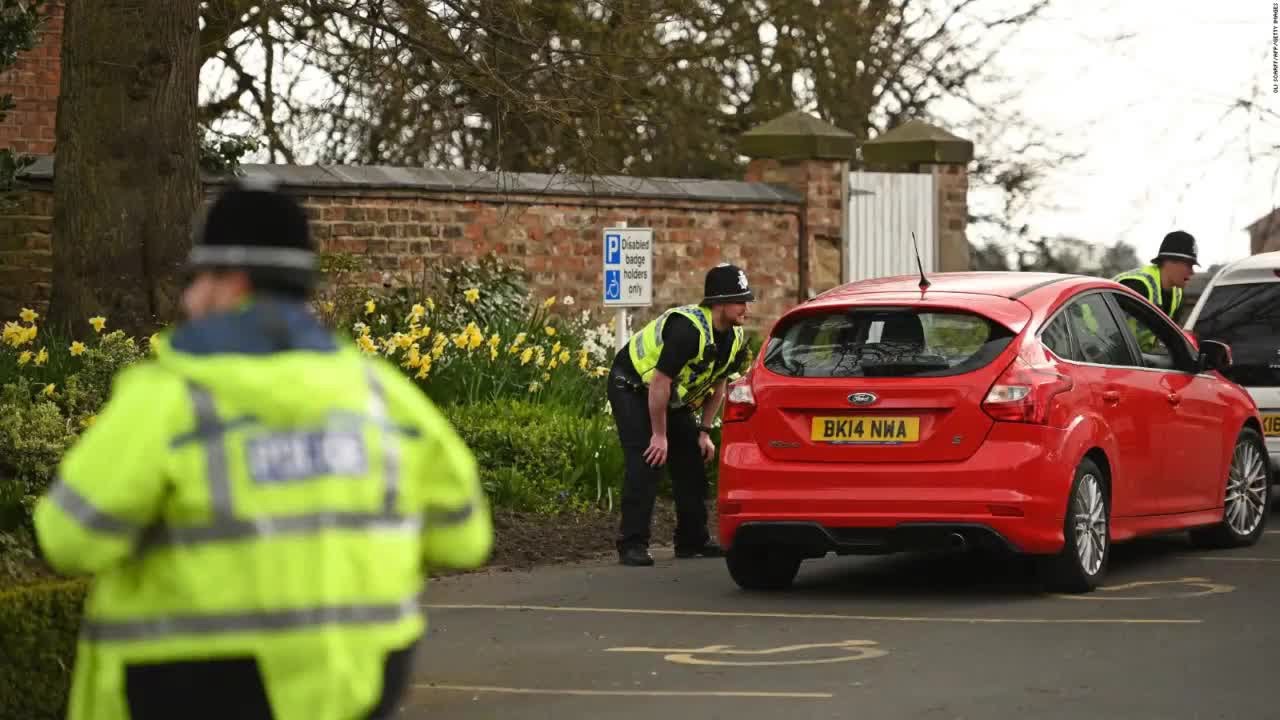
In North Yorkshire, police published a photo showing a group of officers stopping a car. "This driver was making an essential journey, unfortunately others are not," they wrote.
And in Buxton, police took the unusual approach of dying a popular blue limestone quarry black to deter visitors.
Criticism of police methods has been far from universal, and those ignoring social distancing rules by gathering in parks or holding parties have equally been the targets of public anger.
Shapps, the Transport Secretary, told Sky News on Tuesday that "the police are doing a difficult job and they are doing it well," though he added: "I am sure there are individual exampl
Click Subscribe to receive the latest news free
Повторяем попытку...
Доступные форматы для скачивания:
Скачать видео
-
Информация по загрузке: