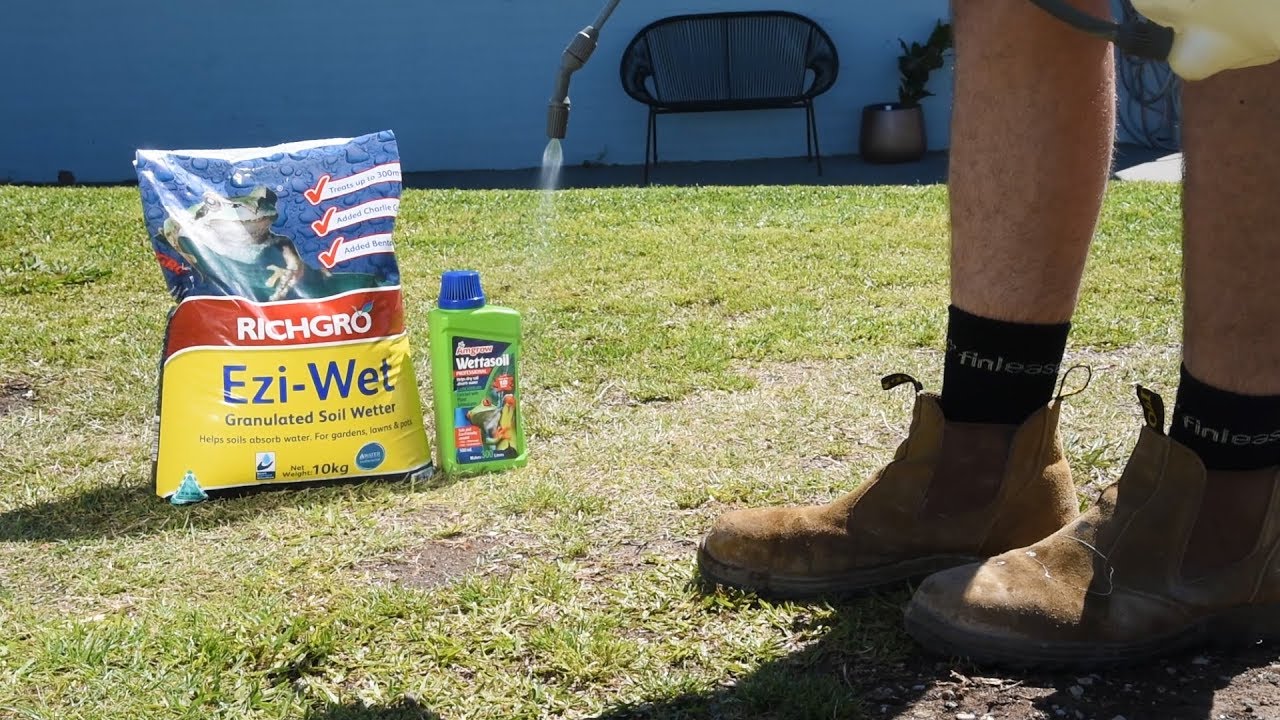
Why do surfactants make water adsorbable by a dry soil?
Автор: Aaron Chee
Загружено: 2013-11-06
Просмотров: 2666
Описание:
Why do surfactants make water adsorbable by a dry soil?
What are surfactants?
Surfactants (surface active agents), are known as amphiphiles which have hydrophilic and hydrophobic segments. There are various types of surfactants which are commonly classified as cationic, anionic and non-ionic surfactants.
How surfactants reduce surface tension?
Molecules at water-air interface are different forces to that within the bulk water. A net inward force exists at the interface because the water density is far more higher than that of air. The interface has membrane-like properties called surface tension, ơ, defines as energy per unit surface area (J/m²) or force per unit length (N/m). Surfactants will concentrate on water-gas interface because attraction of solute molecules to water is less than cohesive attraction between water molecules. Thus a net reduction of surface tensions. In other words, surfactants allow water molecules to spread out.
Cause of Water Repellency:
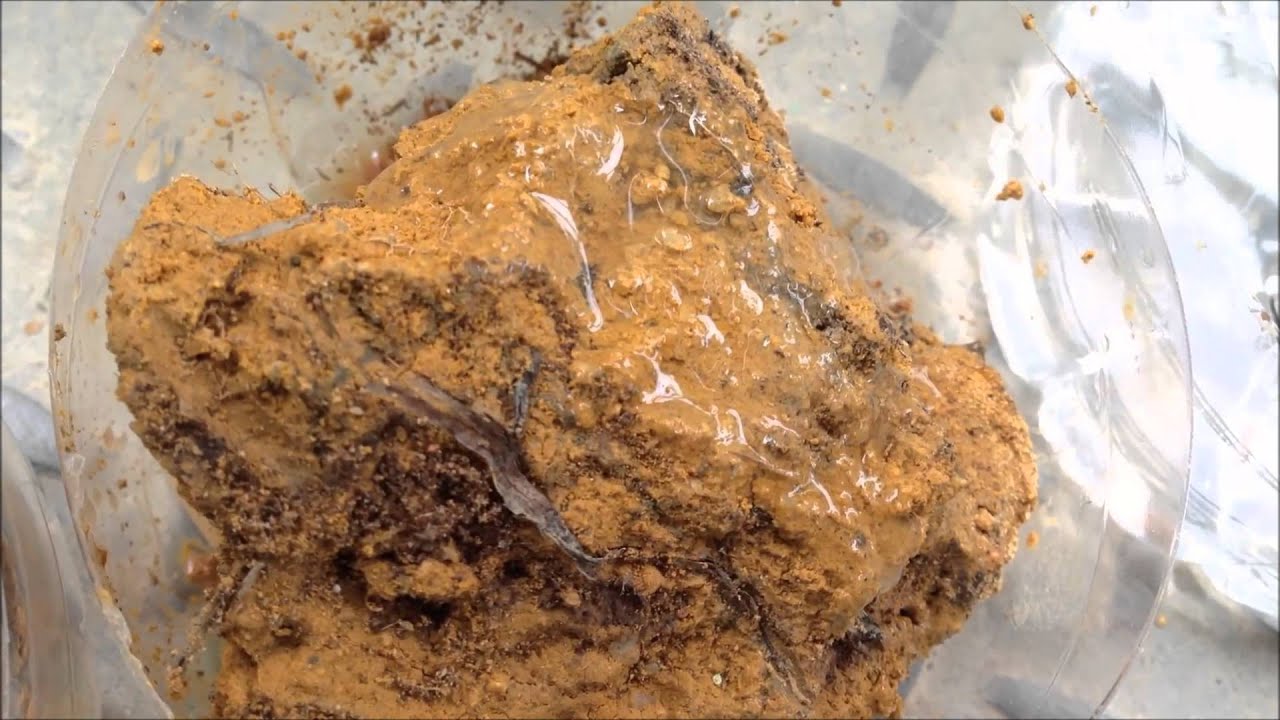
Dry soils will actually repel water, as they've become hydrophobic. Hydrophobic soil creates high contact angle when put a drop of water on the soil surfaces. Hydrophobic soil develops because through a long period of time, organic matter in soil will decompose into complex organic acids which are wax-like substances and coating on the soil surfaces. They are polar compounds with hydrophobic and hydrophilic ends. When the water is losing the shape of the compounds change, the hydrophobic region will form at surfaces and exposed to the air/water interfaces. This creates a hydrophobic layer which preventing the spreading of water over the soil particles.
When surfactants are being applied to water-repellent soils in high concentrations, surfactants can improve the ability of the water to penetrate the soil surface and thus increase the infiltration rate. Under typical pH, soil surfaces have a net negative charge. When water that mixed with surfactants is dropped on the hydrophobic soil, positively charged surfactants are electrostatically attracted to these surfaces. Coadsorption will also occur with anionic surfactants. This process involves several cations such as calcium and magnesium ions which bridge the surfactants anoins to negatively charged soil surfaces.
Application of surfactants:
1) Cleaning agents
First it promotes wetting of the substrate by adsorbing at the interface between substrate and detergent. It also adsorbs on dirt to emulsify it. So both substrate and dirt become coated with an adsorbed layer of surfactants and thus promotes the penetration of the detergent between dirt and substrate.
2) Emulsifier
It normally acts as a stabilizing agent to stabilise the dispersions of the liquids which are unstable.
3) Ore treatment
It acts as a collector that designed to separate the hydrophobic mineral particles from the contaminants. A frother enables the foam formation for skimming off with the mineral to a receptacle.
3) Oil recovery
Surfactants are being pumped into the oil-bearing rock and dislodge the oil from the rock and disperse it into solution form. So it can be pumped out as a mixture of oil and water.
4) Some surfactants have been applied in biological way such as disruption of natural membranes.
Повторяем попытку...
Доступные форматы для скачивания:
Скачать видео
-
Информация по загрузке:

![Эффект Джанибекова [Veritasium]](https://imager.clipsaver.ru/N9HlQ-XVnFk/max.jpg)