Teen Ruins Actress’s Hair ⚖️💇
Автор: Legal Brief
Загружено: 2026-08-07
Просмотров: 29457
Описание:
⚖️ *Educational Legal Insight (U.S. Law)*
This case highlights how courts evaluate real-life disputes based on established legal principles.
👉 Under U.S. law, courts typically consider factors such as evidence, credibility, and legal responsibility when making decisions. Each case is unique, and outcomes depend on the specific facts presented in court.
📌 This video is edited to provide context and clarity, with on-screen text and key moments selected to help viewers better understand the legal issues behind the case and the reasoning behind the verdict.
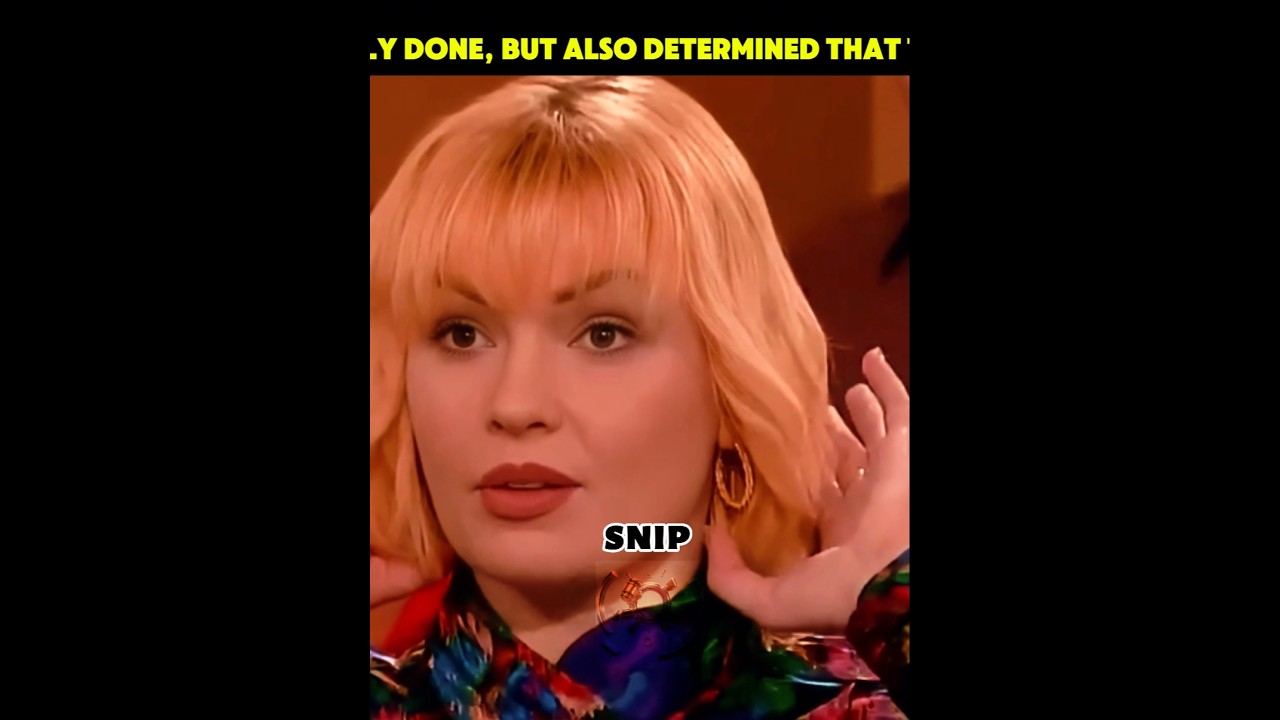
An actress trusted her boyfriend's teenage daughter—who was studying cosmetology—to give her a simple trim. Instead, the haircut turned into an act of revenge after the daughter admitted she intentionally cut off far more hair because she blamed the woman for destroying her parents' marriage.
The actress sued for **$2,800**, claiming the haircut damaged her acting career, while the daughter admitted she did it on purpose. But did the judge make the right decision?
👇 What would YOUR verdict be?
👍 Guys, support me by *LIKE**, **SUBSCRIBE**, and **SHARE*
#CourtroomDrama,#Judge,#HaircutGoneWrong,#FamilyDrama,#Revenge,#CourtCase,#Justice,#LegalDrama,#Actress,#Cosmetology,#Law,#JudgeMillian,#RelationshipDrama,#ViralCourt,#LawAndOrderLive
Educational Law Insight (US Law) – Crawling Text
This case highlights several important principles of U.S. civil law. Intentionally damaging another person's property or causing financial loss through wrongful conduct can create liability for compensatory damages. A plaintiff generally must prove intentional conduct, actual damages, and that those damages were directly caused by the defendant's actions. Courts may award reimbursement for proven economic losses, such as repair costs or lost income, when supported by evidence. However, judges also consider equitable principles and the surrounding facts when resolving disputes. In this case, the judge found the haircut was intentionally done, but also determined that the plaintiff's role in the family conflict contributed to the overall situation. Verdict: although the daughter admitted intentionally cutting the hair, the judge concluded that the emotional harm suffered by the daughter offset the plaintiff's claimed damages, resulting in a net judgment of $0.
Повторяем попытку...
Доступные форматы для скачивания:
Скачать видео
-
Информация по загрузке: