What is Subitizing and How Will It Help Students Master Their Math Facts?
Автор: Jessica Kaminski
Загружено: 2026-03-09
Просмотров: 18
Описание:
Did you know that subitizing is one of the most important foundations for math fact fluency?
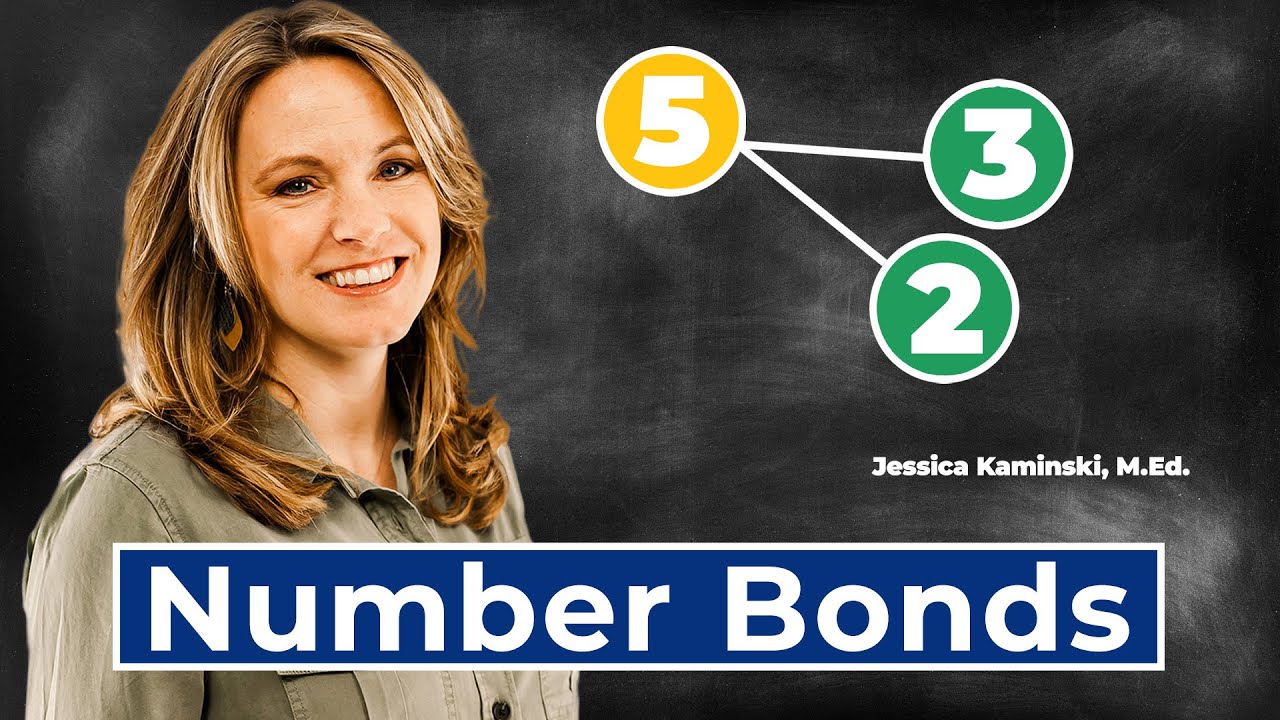
Before students can develop efficient strategies for their math facts, they must be able to recognize quantities quickly and understand how numbers are composed of smaller parts. This skill, called subitizing, builds the number sense students need to move beyond counting.
In this video, we explore how subitizing supports early math development and why it is a critical step toward flexible thinking and automaticity with math facts.
You’ll learn:
✔️ What subitizing is and why it matters for number sense
✔️ The difference between perceptual subitizing and conceptual subitizing
✔️ How these skills build the foundation for math fact fluency
✔️ Simple classroom strategies and activities to help students practice subitizing
✔️ How strong number sense leads to more efficient problem solving
When students can see numbers in groups and relationships, they begin to reason about numbers instead of relying on counting. This shift is key to developing confident, flexible mathematicians.
If you’re a teacher, interventionist, or homeschool parent, these strategies will help you build stronger math foundations for your students. Even upper grade students who struggle with fluency can grow exponentially by working on missing subitizing skills.
For more math strategies, resources, and professional learning, visit:
👉 www.mathwithpurpose.com
And be sure to subscribe to the channel for more research-based math instruction, number sense strategies, Singapore math insights, and practical classroom ideas.
Let’s build the foundations that help math truly make sense.
#Subitizing #MathFactFluency #NumberSense #ElementaryMath #KindergartenMath #FirstGradeMath #SecondGradeMath #SingaporeMath #MathInstruction #MathTeacher
Повторяем попытку...

Доступные форматы для скачивания:
Скачать видео
-
Информация по загрузке: