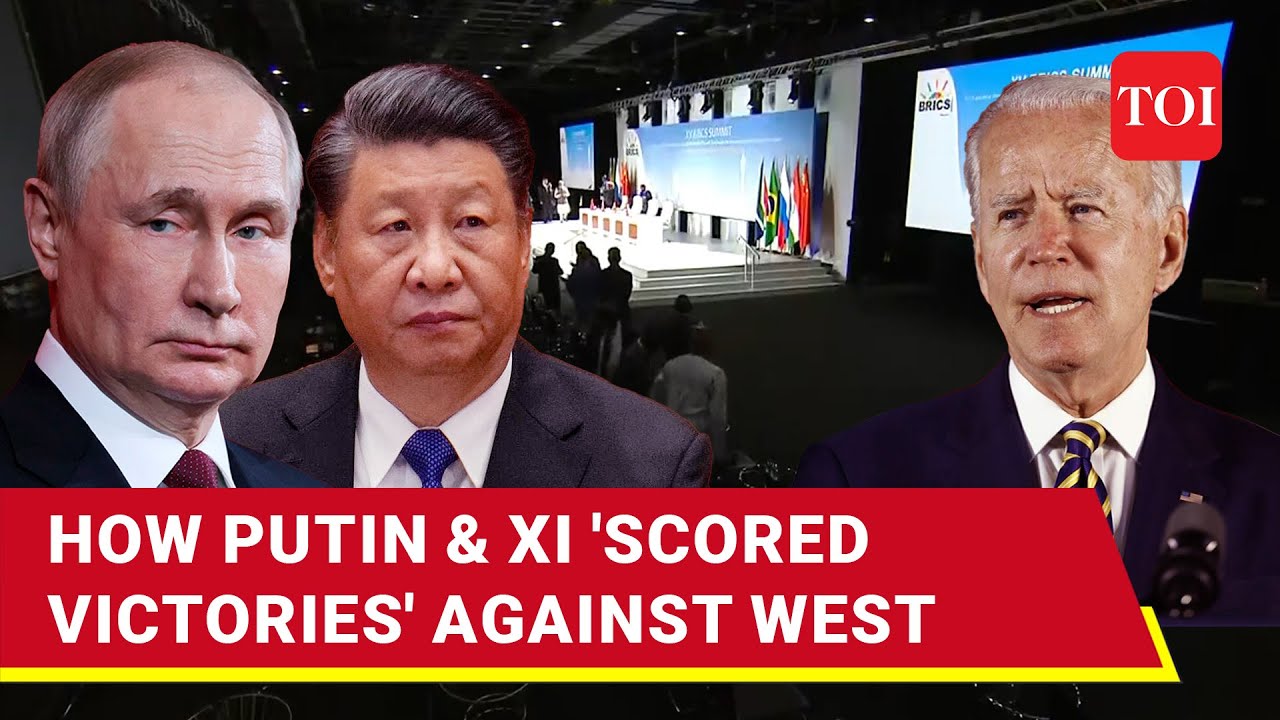
BRICS vs G7 Countries GDP Nominal 1970 - 2028
Автор: Aninkovsky
Загружено: 2024-03-31
Просмотров: 1487
Описание:
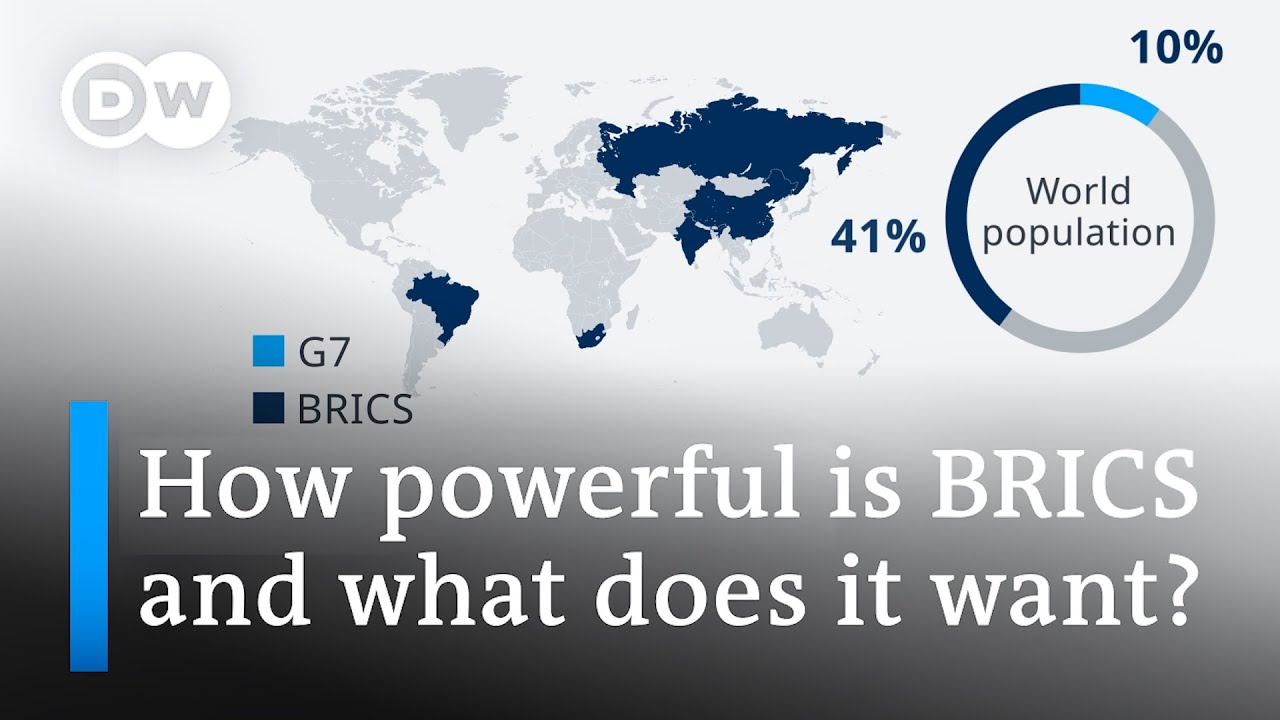
BRICS and G7 represent two distinct groupings of countries, each with its own economic significance and global influence. The G7, consisting of Canada, France, Germany, Italy, Japan, the United Kingdom, and the United States, represents some of the world's most advanced economies, historically dominating global economic affairs. On the other hand, BRICS comprises Brazil, Russia, India, China, and South Africa, emerging economies with substantial growth potential and increasing influence on the global stage. A comparison of their GDP nominal and overall economic dynamics reveals significant insights into the global economic landscape.
Firstly, in terms of GDP nominal, the G7 countries collectively boast a significantly higher nominal GDP compared to the BRICS nations. The combined GDP of the G7 countries typically surpasses that of BRICS by a considerable margin. This reflects the long-established economic prowess, technological advancement, and high productivity levels characteristic of the G7 economies.
Secondly, while the G7 economies are generally more mature and diversified, with well-established infrastructure and institutions, the BRICS economies exhibit varying degrees of development. China stands out as the largest economy among the BRICS nations, with robust industrialization and manufacturing sectors driving its growth. India follows closely, with a burgeoning services sector and a large consumer market. Brazil and Russia possess vast natural resources, but their economies are often susceptible to commodity price fluctuations. South Africa, though smaller in comparison, plays a significant role in Africa's economy and serves as a gateway to the continent for international investors.
Thirdly, the G7 countries have historically been at the forefront of innovation and technological advancement, driving global trends in various sectors such as information technology, finance, and healthcare. Meanwhile, the BRICS nations, particularly China and India, are rapidly catching up, investing heavily in research and development, education, and technology infrastructure to fuel their economic growth and competitiveness on the global stage.
Fourthly, the economic dynamics within the G7 are characterized by close political and economic ties, with extensive trade and investment flows among member countries. The European Union, represented by several G7 members, further enhances economic integration and cooperation within the group. In contrast, while the BRICS nations collaborate on certain initiatives such as the New Development Bank (NDB) and bilateral trade agreements, their economic relations are often more heterogeneous, reflecting diverse geopolitical interests and economic structures.
Fifthly, the G7 countries typically exert significant influence on global economic policies, institutions, and norms, often setting the agenda for international economic cooperation and governance. They play a pivotal role in organizations such as the International Monetary Fund (IMF), World Bank, and World Trade Organization (WTO). However, the BRICS nations are increasingly challenging this traditional dominance, advocating for reforms in global governance structures to better reflect the changing economic landscape and accommodate the interests of emerging economies.
In conclusion, while the G7 countries continue to wield considerable economic influence and shape the global economic order, the BRICS nations represent a rising force in the world economy, with substantial growth potential and increasing geopolitical significance. The comparison of their GDP nominal and overall economic dynamics underscores the evolving nature of the global economy, characterized by the emergence of new economic powerhouses alongside established players, shaping the trajectory of global growth and development in the 21st century.
Повторяем попытку...

Доступные форматы для скачивания:
Скачать видео
-
Информация по загрузке: