Spine Surgery Failed? How to Treat Chronic Back & Leg Pain Post-Op
Автор: Princeton Spine & Joint Center
Загружено: 2026-02-26
Просмотров: 138
Описание:
For more information and appointments, visit: https://princetonsjc.com/
YouTube: / @princetonspinejointcenter
Instagram: / princetonsjc
Facebook: / princeton-spine-joint-center-100056237995910
Even after spine surgery, many patients find themselves still struggling with persistent or worsening back and leg pain. This can be confusing and deeply discouraging, especially when scans look good. In this vital video, Dr. Grant Cooper, co-founder and co-director of Princeton Spine and Joint Center, offers a beacon of hope and a comprehensive roadmap to relief.
Dr. Cooper emphasizes that persistent post-surgical pain doesn't mean you're out of options. Modern medicine has evolved to treat the *whole pain system*, not just an MRI. We explore an integrated toolkit that addresses not only the spine's structure, but also the nervous system, biology, and movement patterns that influence how pain is experienced.
We cover ten advanced strategies and approaches, including:
• Targeted Medications: Anti-inflammatories, neuropathic pain meds, and muscle relaxants.
• Modern Physical Therapy: Beyond strengthening, focusing on movement retraining and nervous system re-education.
• Image-Guided Injections: Epidural steroid, facet, sacroiliac, and selective nerve root blocks for diagnostic and therapeutic benefits.
• Biologic Therapies: Platelet-Rich Plasma (PRP) and other regenerative strategies to support healing.
• Neuromodulation: Spinal Cord Stimulation (SCS) and Dorsal Root Ganglion (DRG) Stimulation to modify pain signals.
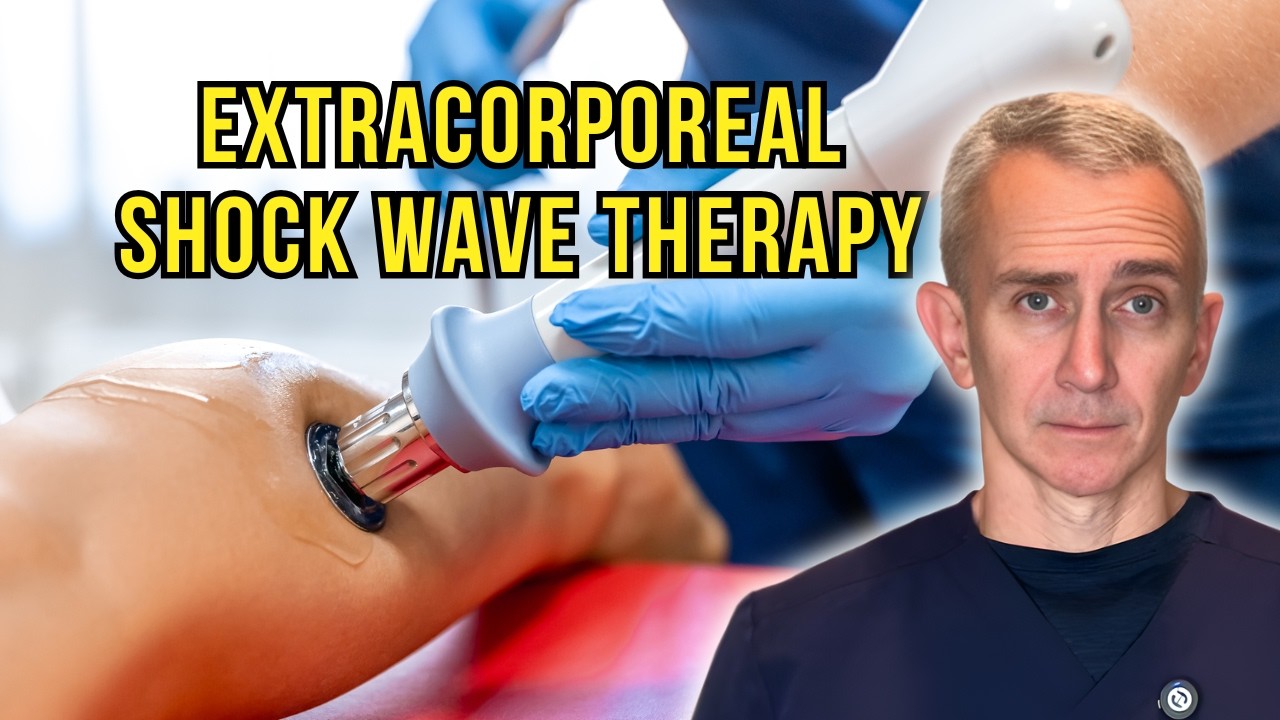
• Extracorporeal Shockwave Therapy (ESWT): For tissue repair and inflammation reduction.
• Acupuncture: Influencing the nervous system and natural pain relief.
• Cognitive & Behavioral Pain Strategies: CBT, mindfulness, and sleep optimization to reduce pain amplification.
• Advanced Diagnostics: Gait and movement analysis to identify subtle biomechanical issues.
Dr. Cooper also shares a crucial caveat: sometimes surgery fails because the initial diagnosis was incorrect. A thorough re-evaluation can be the key to unlocking effective treatment.
The goal is always to create a personalized, blended treatment plan designed for your specific needs, aiming to relieve pain, improve function, enhance sleep, reduce medication reliance, and restore confidence in movement. Don't give up hope; many pathways forward exist.
If you're experiencing pain after spine surgery, watch this video to understand the integrated approach to finding lasting relief. Find a knowledgeable healthcare provider and work together on a plan for your unique situation.
00:00 Why Pain Can Persist After Spine Surgery (and What This Video Covers)
00:39 Treat the Whole Pain System: Structure, Nerves, and Biology
01:41 Big Caveat: Was the Original Diagnosis Correct?
02:40 Medication Options: NSAIDs, Nerve Pain Meds, Muscle Relaxers
03:59 Physical Therapy: Rebuilding Movement, Posture, and Confidence
04:47 Image-Guided Injections: Epidurals, Facet/SI Joints, Nerve Blocks
06:03 PRP & Biologic Therapies: Supporting Healing and Calming Inflammation
06:42 Spinal Cord Stimulation & DRG Stimulation: Neuromodulation for Stubborn Pain
08:50 Shockwave Therapy, Acupuncture, and Other Nervous System Regulators
10:15 CBT, Mindfulness, and Pain Neuroscience: Rewiring Chronic Pain Responses
10:50 Advanced Diagnostics & Gait Analysis + Putting the Plan Together
12:08 Key Takeaways, Hope, and Final Thoughts
#SpineSurgery #BackPainRelief #PostSurgeryPain #ChronicPain #LegPain #PainManagement #SpinalFusion #SpineCare #DrGrantCooper #PrincetonSJC #PhysicalTherapy #PainInjections #Neuromodulation #SpinalCordStimulator #PRPtherapy #Acupuncture #CognitiveBehavioralTherapy #ESWT #healtheducation
Medical Disclaimer:
The information provided in this video is for educational and informational purposes only and is not intended as medical advice, diagnosis, or treatment. Viewing this content does not establish a doctor-patient relationship between you and Princeton Spine & Joint Center or any of its physicians.
Always seek the advice of your physician or another qualified healthcare provider with any questions you may have regarding a medical condition or treatment. Never disregard professional medical advice or delay in seeking it because of something you have seen in this video. If you think you may have a medical emergency, call your doctor or 911 immediately.
Повторяем попытку...

Доступные форматы для скачивания:
Скачать видео
-
Информация по загрузке:




![Лучше для поясницы НЕ придумаешь [ТОП комплекс в 2026]](https://imager.clipsaver.ru/vQmdkKzwPPA/max.jpg)