THE Coolest DIY Idea and SIMPLE INVENTION OF ELECTRIC SPARK
Автор: Exact Fix Problem
Загружено: 2025-05-11
Просмотров: 7822
Описание:
THE Coolest DIY Idea and SIMPLE INVENTION OF ELECTRIC SPARK
The two brass screws at the front are slightly apart, with no spark visible initially. The thumb hovers over a metallic button.
After a brief pause, the thumb firmly presses the button. Instantly, a sharp electric spark jumps between the two brass screw tips. The spark crackles with bluish-white energy, glowing vividly against the dark background.
The spark continues flickering rapidly as long as the button remains pressed. Once the button is released, the spark disappears immediately, leaving the screws dark and inactive.
⚡ Science Behind It:
When two conductors (like brass screws) are close but not touching, and a high enough voltage is applied across them, it ionizes the air between the tips. This ionized air becomes conductive, allowing a spark or arc to jump across the gap, even though there's no physical connection.
No spark initially: Because there's no voltage or the button isn't pressed.
Button pressed: This closes the circuit and either:
Activates a piezoelectric crystal that creates a sudden high voltage, or
Powers a high-voltage circuit (like a boost converter or ignition coil).
Spark appears: The voltage exceeds the air's dielectric strength (~30 kV/cm), causing the air to break down and a spark to jump.
Spark continues: As long as the high voltage is maintained.
Spark disappears: When the circuit is broken (button released), voltage stops, and the air no longer conducts.
🔧 Things Required to Do This (Two Main Methods):
✅ 1. Using a Piezoelectric Igniter (Simple & Safe)
A piezo igniter (from a gas stove or lighter)
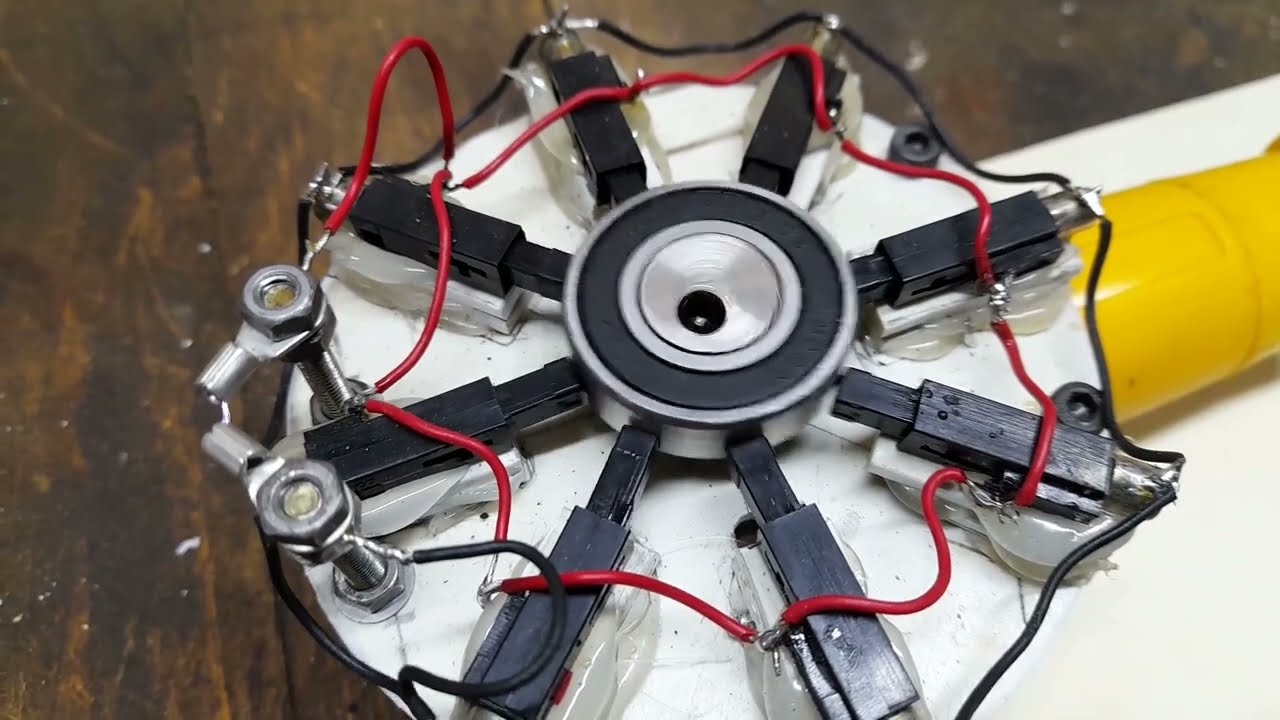
Two brass screws
A non-conductive plastic tube (e.g., pen body)
A push-button to trigger the igniter
Wires to connect to the screw tips
➡️ Each button press generates a momentary spark (no battery needed).
✅ 2. Using a High-Voltage Circuit (Continuous Spark)
3.7V Li-ion battery or 9V battery
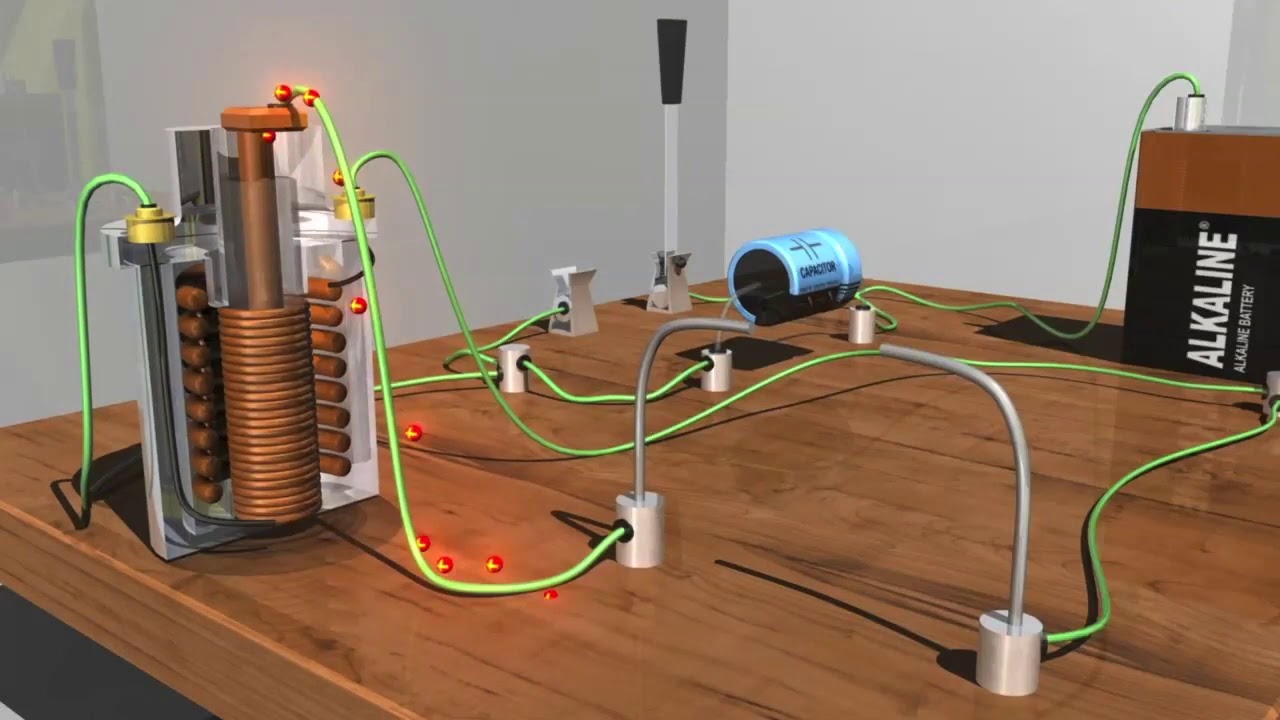
Step-up boost converter or ignition coil (generates 5kV–15kV)
Capacitors and resistors for circuit stability
Push-button switch (to control the current)
Two brass screws or metal electrodes
➡️ Pressing the button powers the high-voltage output, causing continuous sparking across the screws.
⚠️ Safety Tips:
High-voltage circuits are dangerous. Always handle with caution.
Use proper insulation and distance.
Avoid direct contact with output terminals.
For learning/demo purposes, the piezo method is much safer.
We aim to help you solve tech problems and try exciting science experiments, but please keep in mind:
For Educational Purposes: Our videos offer guidance, not guaranteed fixes. Every device and situation is different.
Proceed with Caution: Think carefully before attempting any solution or experiment. What works for us might not work for you.
Product Names: We sometimes mention other brands – that doesn't mean they endorse us.
No Responsibility: Exact Fix Problem isn't liable for any issues that might happen if you try our tips or experiments. Back up your data and get professional help if you're in doubt. Use safety measures for experiments.
Thanks for watching! Subscribe for more tech solutions and experiments.
#ExactFixProblem #TechSolutions #ErrorFixes
Повторяем попытку...

Доступные форматы для скачивания:
Скачать видео
-
Информация по загрузке: