Eurasian Tree Sparrow [Passer Montanus]
Автор: Avi Birds
Загружено: 2021-02-16
Просмотров: 1760
Описание:
In this video, we learn about the Eurasian tree sparrow.
QUICK FACTS:
• Lifespan: 3 years
• Length: 5 in (13 cm)
• Wingspan: 8 in (20 cm)
• Weight: 0.8 oz (24 g)
• Family: Passeridae
Description:
Identifying the Eurasian tree sparrow
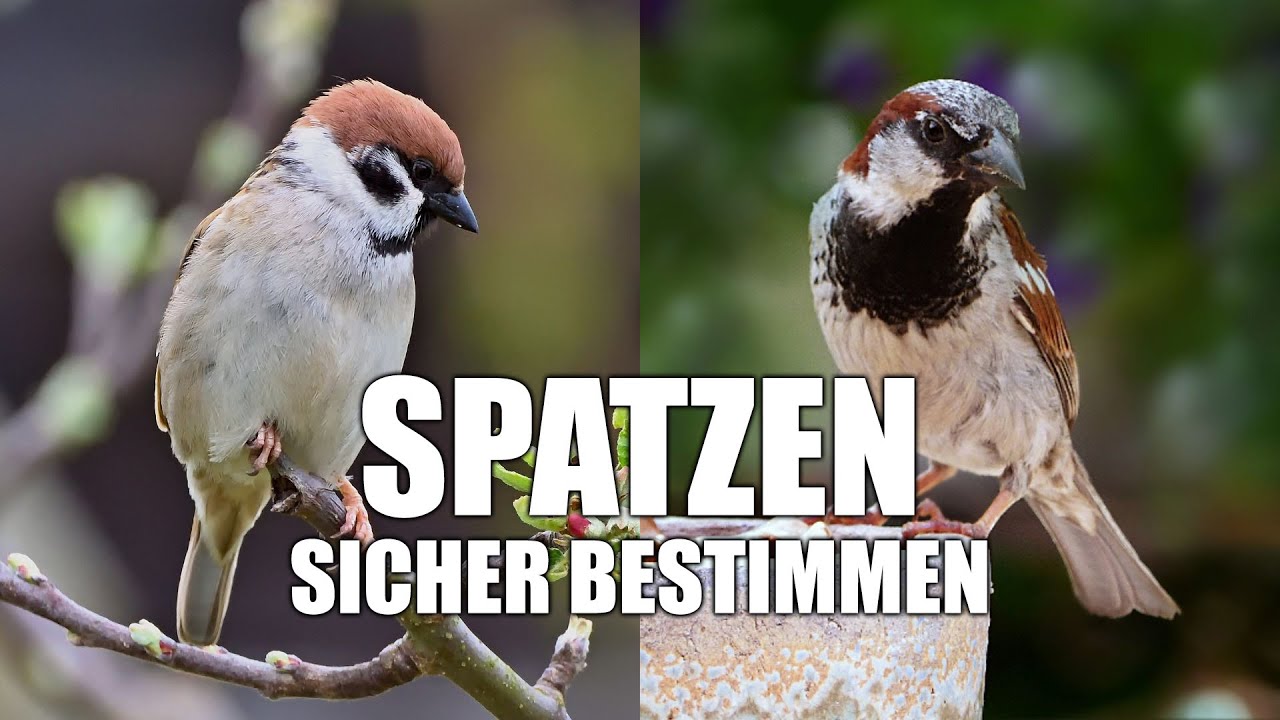
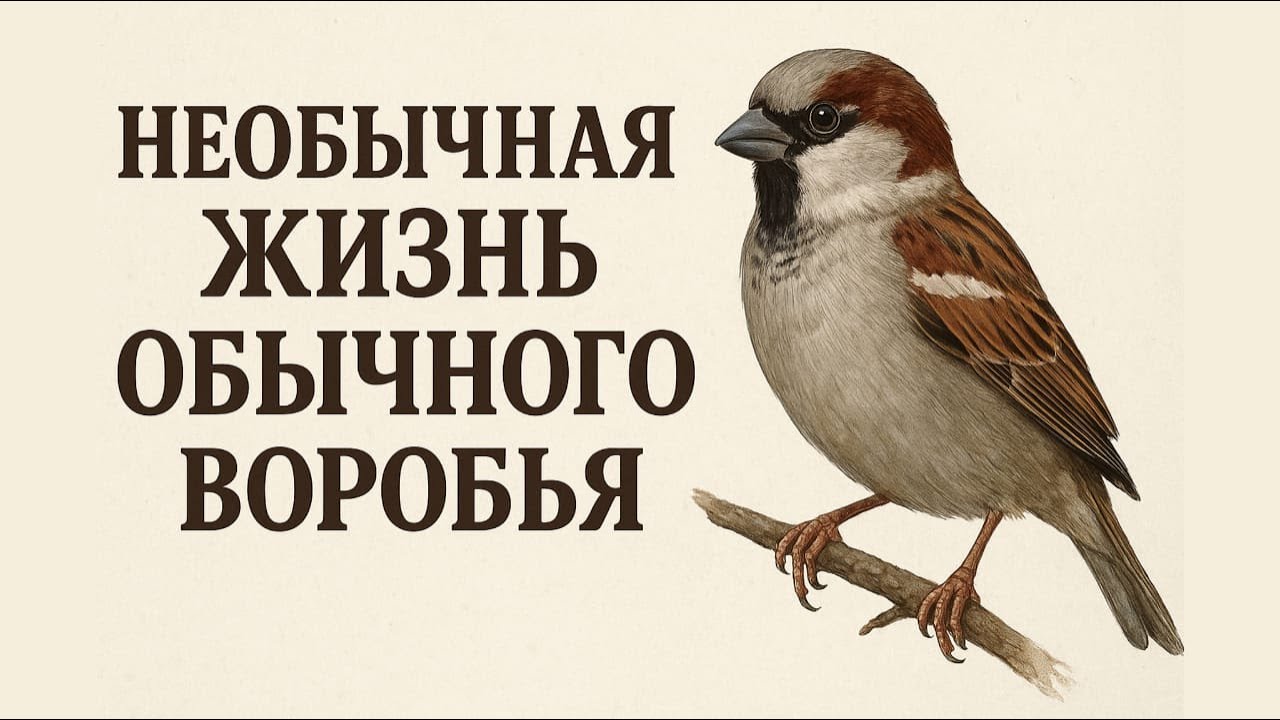
The Eurasian tree sparrow is a small passerine bird. At five inches long, it is smaller than a house sparrow. Its upperparts are brown with black streaks, and it is cream-white below. Its head and nape are chestnut-colored.
It has a distinctive contrasting facial coloration with black “ear” patches against white cheeks and a black mask that extends down the throat. It has a short, conical bluish-black beak and small black eyes. Males and females are alike, which is uncommon in sparrows as they typically have a high degree of sexual dimorphism. Juveniles are slightly duller than adults.
Vocalizations:
Call and song
They have a series of single-note chirps, including a sweet-voiced chip chip chip contact call, and foraging flocks sound somewhat melodious. They also have a sharp tsek tsek tsek flight call. Males also call out to females to attract a mate and during courtship.
Distribution and range:
Where in the world do Eurasian tree sparrows occur?
Eurasian tree sparrows are It There are migratory and sedentary populations. Most temperate birds are resident breeders. Among the migrants are the northernmost populations that migrate south for the winter and small groups from Southern Europe that winter in the Middle East and North Africa.
The species has been introduced to many regions outside its natural range including parts of North America and Australia.
Habitat: In what environments do they live?
They inhabit open country, woodlands, farmlands, and coastal cliffs. They favor nesting sites around wetlands and marshy environments. They are also accustomed to urban areas where they inhabit abandoned buildings and other human-made structures.
Diet and feeding habits
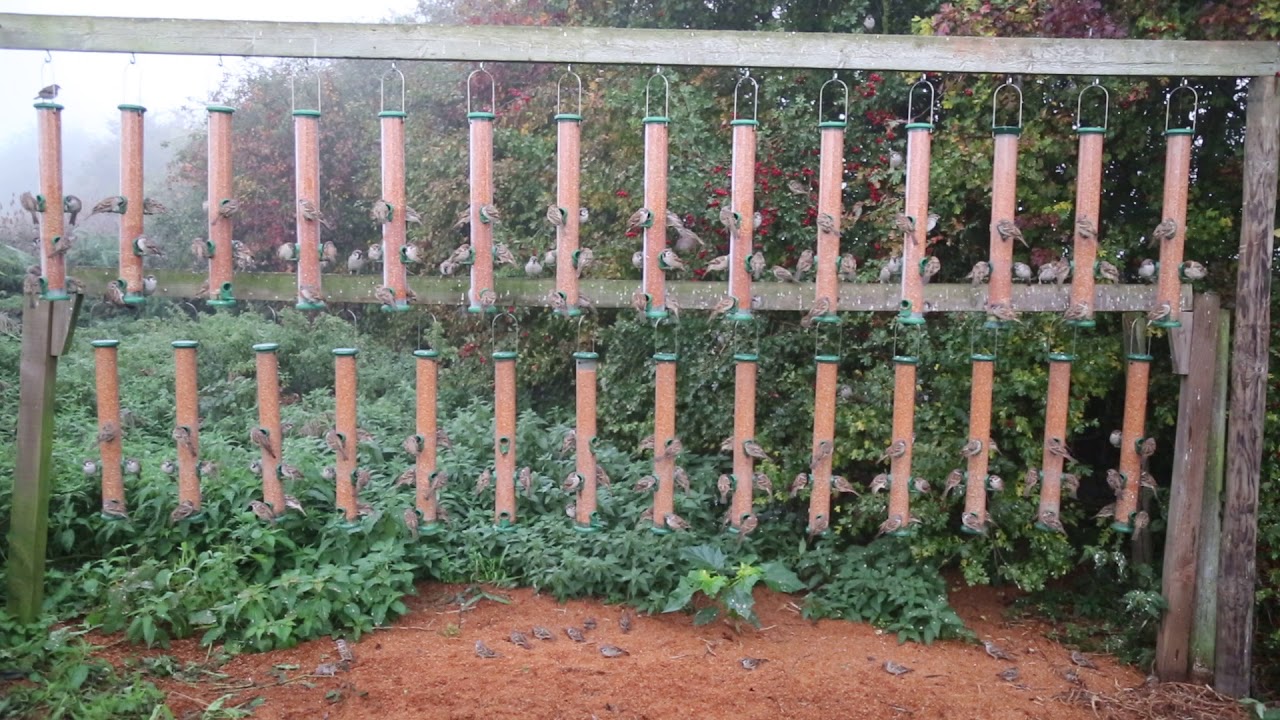
They mainly feed on seeds and grains but also eat berries, flowers, leaves, and shoots. During the breeding season, they prey on insects, spiders, and other invertebrates. They usually forage on the ground, either solitary or in flocks.
Nesting and breeding
Eurasian tree sparrows nest in colonies or solitary pairs. They build their nests in tree-holes, rockface crevices, and even between exposed roots. In urban areas, they may even nest in roofs, ceilings, and nest boxes.
Sometimes they occupy the abandoned or unused nests of other birds such as swallows, martins, or bee-eaters, and even raptors and other large birds. Inside the cavity, they construct a well-insulated, three-layered nest out of grasses, hay, feathers, and other materials.
The female lays up to six spotted or speckled eggs. Both parents incubate the eggs for around twelve days. The hatchlings are altricial (born naked and helpless), and fledge about sixteen days after hatching.
Status and conservation
Eurasian tree sparrows have a wide range and a large population of up to 310 million birds, but they are declining due to intensive agricultural practices and herbicide use which impacts their food resource availability. They are currently listed as “least concern” according to the IUCN.
#avibirds #bird #birdwatching #eurasiantreesparrow #passermontanus
Повторяем попытку...
![Eurasian Tree Sparrow [Passer Montanus]](https://imager.clipsaver.ru/vghSzNQc6Js/max.jpg)
Доступные форматы для скачивания:
Скачать видео
-
Информация по загрузке:






![Greate Rhea [Rhea Americana]](https://imager.clipsaver.ru/hWghbVtm4Sc/max.jpg)