#NilgiriMountainRailwayStory
Автор: Curious Bytz
Загружено: 2025-02-10
Просмотров: 44
Описание:
Ooty's Toy Train: A Journey Through Time
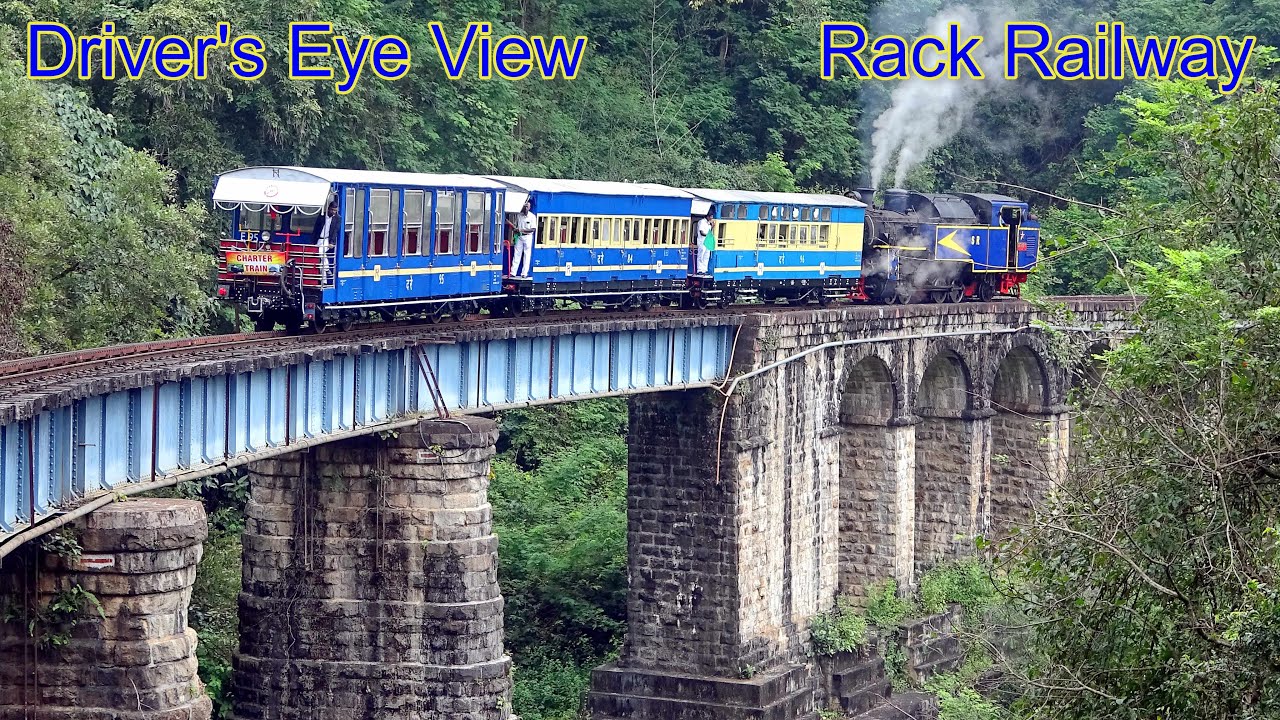
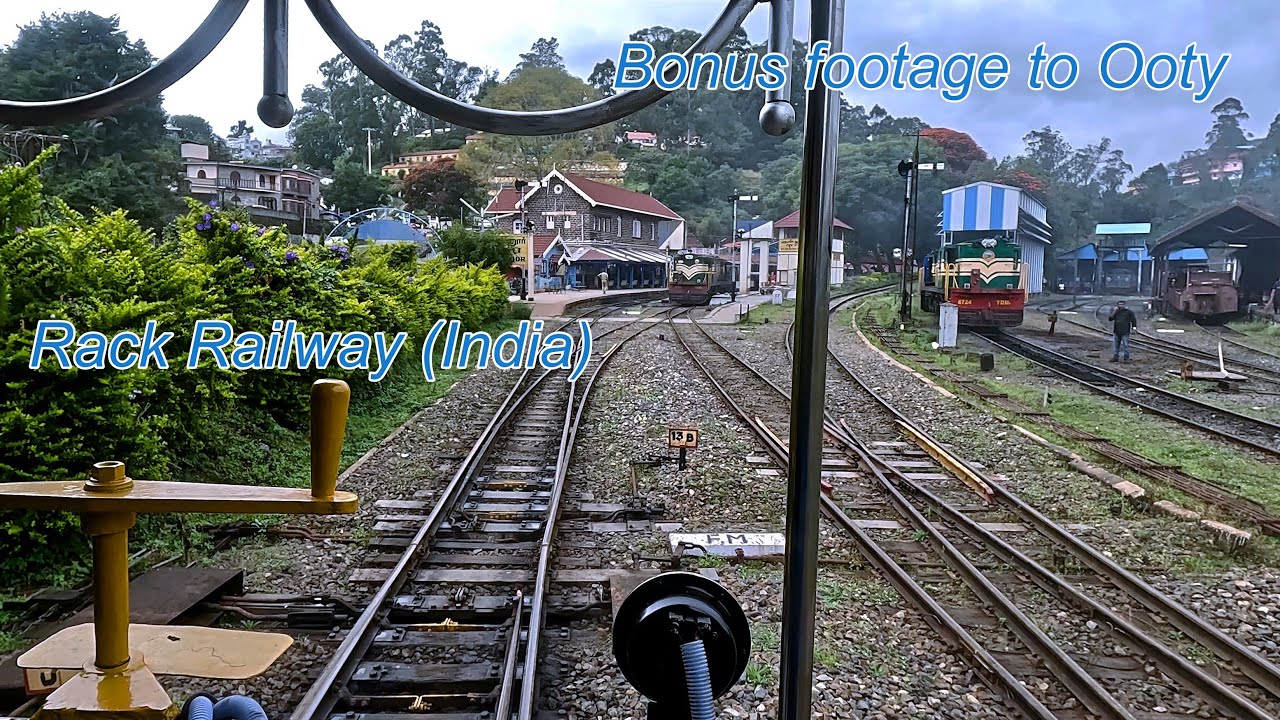
The Nilgiri Mountain Railway (NMR), popularly known as Ooty's Toy Train, is one of India's most cherished heritage railways. Nestled in the lush greenery of Tamil Nadu’s Nilgiri Hills, this train offers an enchanting journey through misty mountains, deep valleys, and winding tracks. The story of its inception, construction, and evolution is a remarkable tale of engineering brilliance and perseverance.
The Beginning: A Dream Takes Shape
The idea of a railway line connecting Mettupalayam to the hill station of Ooty was conceived in the 1850s by the British, who were drawn to the cool climate of the Nilgiris. However, the steep gradients and rugged terrain posed serious challenges. Initially, traditional railway construction methods were deemed unfeasible, delaying the project for decades.
It was only in 1899 that the work gained momentum under the stewardship of the Madras Railway Company. Swiss engineer Arthur Riggenbach proposed using a rack-and-pinion system, a technology that allows trains to climb steep slopes safely. His expertise laid the foundation for the Nilgiri Mountain Railway, which officially began operations in 1908.
The Challenges of Construction
The construction of the railway was an engineering marvel of its time. The primary challenge was the mountainous terrain, which required tunnels, viaducts, and bridges. The track was laid with a gradient of 1 in 12.5, meaning the train had to climb 12.5 meters for every 100 meters traveled. The rack-and-pinion mechanism was crucial in tackling this incline.
Another major hurdle was the unpredictable weather. Frequent landslides and heavy monsoons often disrupted progress, making construction extremely hazardous. Additionally, labor shortages and difficulties in transporting materials through the dense forests further slowed the project. Despite these obstacles, relentless efforts by British engineers and Indian workers ensured its completion.
Evolution of the Nilgiri Mountain Railway
Since its inauguration in 1908, the toy train has evolved significantly. Initially, steam locomotives powered the train, but in later years, modern diesel engines were introduced for improved efficiency. However, to retain the railway’s heritage value, steam engines are still used on the steepest stretch between Mettupalayam and Coonoor.
The scenic journey spans 46 km, passing through 16 tunnels, 250 bridges, and over 200 curves, offering breathtaking views of the Nilgiri hills. The train moves at an average speed of 10 km/h, allowing passengers to soak in the beauty of the surroundings.
UNESCO Recognition and Modern-Day Appeal
In 2005, the Nilgiri Mountain Railway was designated a UNESCO World Heritage Site, along with the Darjeeling Himalayan and Kalka-Shimla Railways. This recognition cemented its status as a historical treasure. Today, the toy train remains a major attraction for tourists, nature lovers, and heritage enthusiasts.
Despite technological advancements, the charm of the toy train remains unchanged. It stands as a testament to human ingenuity and perseverance, offering a nostalgic journey into the past while continuing to enchant new generations.
Повторяем попытку...

Доступные форматы для скачивания:
Скачать видео
-
Информация по загрузке: