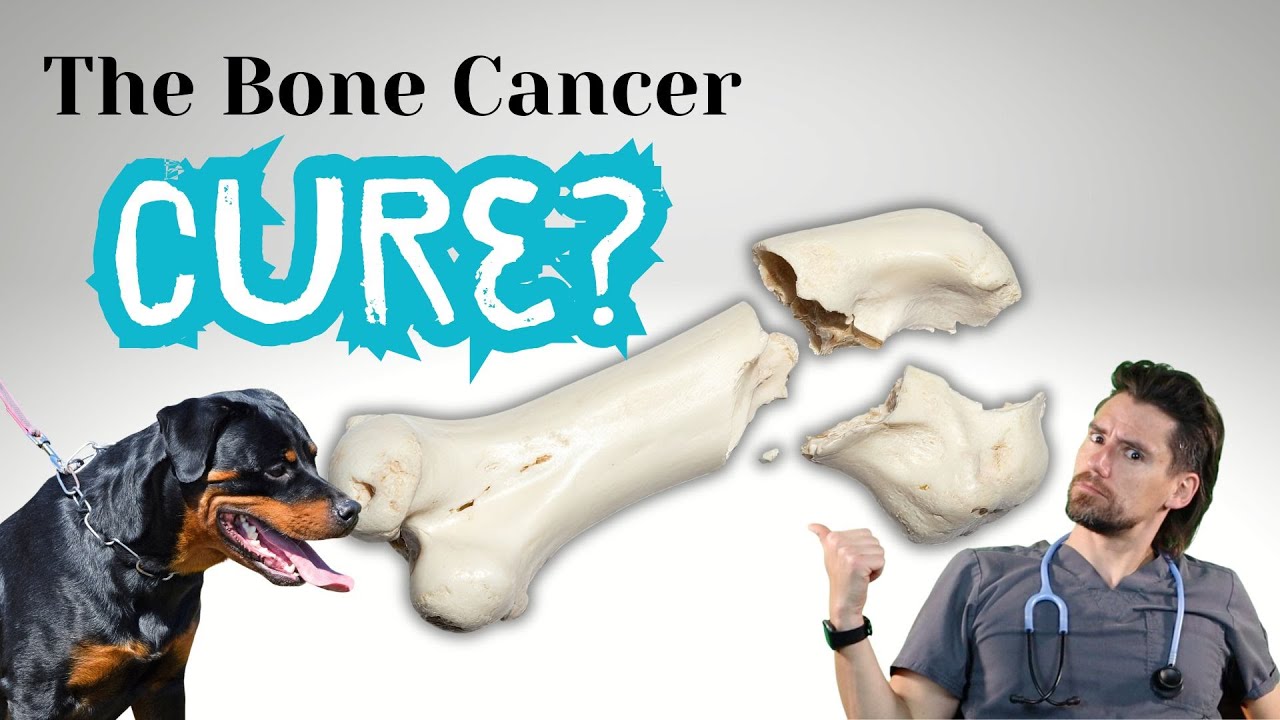
Possible treatment for bone cancer in the dog.
Автор: Dan The Veterinarian
Загружено: 2026-01-30
Просмотров: 42
Описание:
Hey Everyone!
My name is Dan, and I am a veterinarian. Today I am sharing about a possible treatment for bone cancer in the dog.
The most common bone cancer in dogs is osteosarcoma. It’s an aggressive cancer that starts in the bone and can spread to other parts of the body, especially the lungs.
Which dogs are most at risk?
Bone cancer can happen to any dog, but it’s much more common in:
Large and giant breeds (Great Danes, Rottweilers, Golden Retrievers, Greyhounds)
Middle-aged to older dogs
Dogs with long legs (the cancer often forms in weight-bearing bones)
It most often affects the legs—especially near the shoulder, wrist, knee, or ankle.
Common signs to watch for
The symptoms can sneak up slowly and are often mistaken for arthritis at first:
Limping that gets worse over time
Swelling or a hard lump on a limb
Pain (crying, not wanting to walk, licking the area)
Broken bone with little trauma (the cancer weakens the bone)
Decreased appetite or energy as the disease progresses
If a limp doesn’t improve after a couple of weeks, it’s worth a vet visit.
How is it diagnosed?
Your vet may use:
X-rays (often show a very distinctive “moth-eaten” bone look)
Biopsy or needle sample to confirm cancer
Chest X-rays or CT scan to check for spread to the lungs
Treatment options
Treatment depends on your dog’s health, age, and your goals.
1. Amputation (most common)
Removes the painful tumor: Even with amputation the cancer has already spread.
Dogs usually adapt amazingly well, even large dogs
Often combined with chemotherapy
2. Chemotherapy
Helps slow spread and extend life
Dogs usually tolerate chemo much better than humans
3. Pain management (palliative care)
For dogs that can’t undergo surgery
Uses pain meds, anti-inflammatories, sometimes radiation
Focus is comfort and quality of life
Prognosis (what to expect)
I’ll be honest but gentle here:
Without treatment: about 1–3 months
With amputation alone: around 4–6 months
With amputation + chemo: often 10–14 months, sometimes longer
The biggest enemy isn’t the leg tumor—it’s metastasis (spread), especially to the lungs.
Quality of life matters most
Dogs don’t worry about the future like we do. Many dogs:
Feel immediate pain relief after treatment
Stay happy, playful, and affectionate for much of their remaining time
Live very full days with the right support
Niclosamide, a traditional anti-parasitic drug, is being developed as a promising, non-toxic, and affordable treatment for canine osteosarcoma (bone cancer) by inhibiting tumor cell growth, migration, and metastasis. A novel intravenous, nanoparticle-based prodrug called NSPT (niclosamide stearate) has shown promising survival signals in recent clinical trials for dogs.
Повторяем попытку...
Доступные форматы для скачивания:
Скачать видео
-
Информация по загрузке:


