hard water spot solution wo Bhi FREE me
Автор: RUNNER KSP
Загружено: 2026-02-03
Просмотров: 14
Описание:
Understanding Hard Water Spots
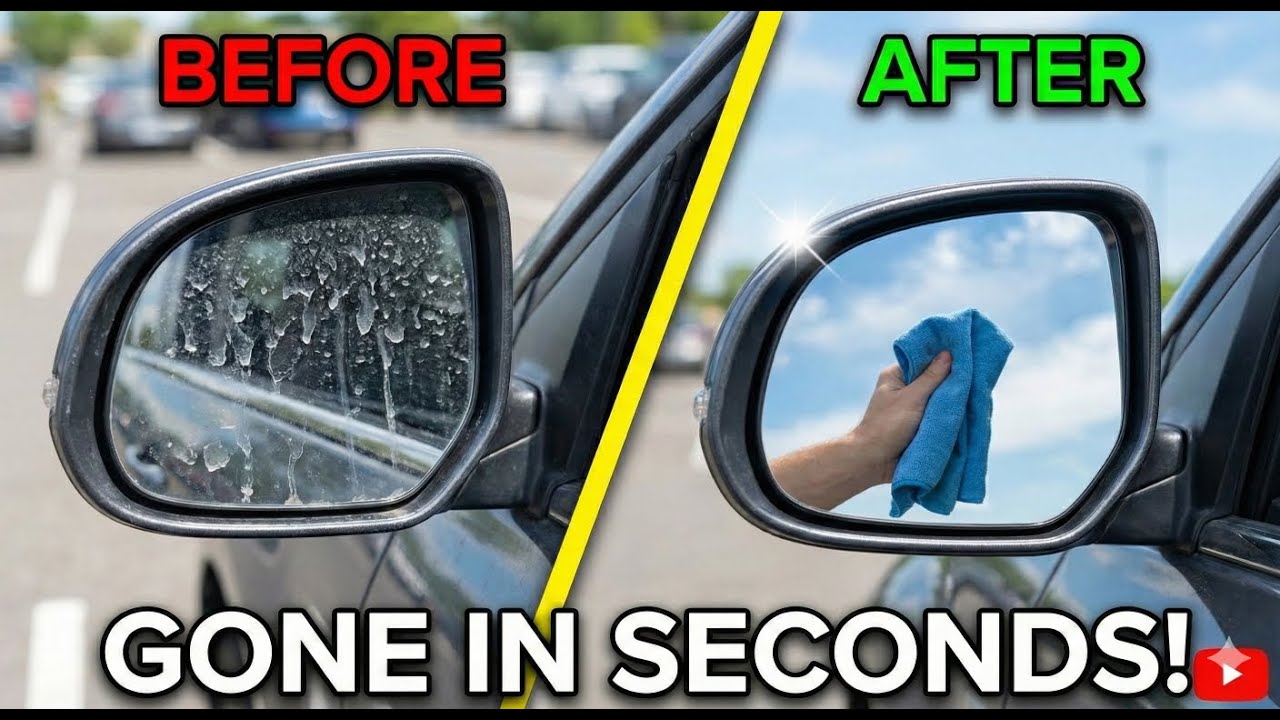
Hard water spots are unsightly, chalky white outlines that form on a vehicle’s paint, glass, and trim. They are caused when water full of dissolved minerals—primarily calcium and magnesium—evaporates on the surface.
When the liquid H₂O disappears, the heavy minerals are left behind. If left untreated, these deposits can bake into the clear coat, transitioning from a surface nuisance to permanent damage.
The Two Types of Spots
Type I (Surface Deposits): These sit on top of the clear coat. They are recent mineral deposits that can usually be wiped away or chemically dissolved.
Type II (Etched Spots): These occur when the minerals (and sun exposure) actually eat into the clear coat, creating a crater. These cannot be chemically removed; the paint surrounding the crater must be polished down to level the surface.
The Cleaning Process
Effective hard water spot removal is a progressive process, starting with the least aggressive method and moving to stronger solutions only if necessary.
1. The Decontamination Wash
Before targeting the spots specifically, the entire vehicle undergoes a thorough hand wash to remove loose dirt and grime. This prevents scratching the paint during the spot removal phase.
2. Chemical Removal (The "Dissolve" Phase)
For Type I spots, cleaners use mild acids to break down the alkaline mineral bonds.
DIY Solution: A 50/50 mix of distilled white vinegar and distilled water. The acetic acid in vinegar dissolves the calcium.
Dedicated Removers: Professional-grade "Water Spot Removers" usually contain stronger acids (like hydrofluoric or sulfuric acid alternatives) buffered for car paint safety.
3. Mechanical Removal (The "Abrade" Phase)
If chemical removal fails, the spots are likely etched (Type II) or bonded tightly.
Clay Bar Treatment: A detailing clay bar pulls bonded contaminants off the surface.
Machine Polishing: A polisher with a cutting compound is used to shave off a microscopic layer of clear coat. This levels the paint surface, effectively removing the "crater" caused by the etching.
4. Protection
Once the paint is clean and level, a layer of protection—such as carnauba wax, paint sealant, or ceramic coating—is applied. This creates a sacrificial barrier that prevents future water from drying directly on the paint.
Why It Matters
Aesthetics: Water spots make even a clean car look dirty and neglected.
Value Retention: Etching permanently damages the factory clear coat. Correcting severe etching requires removing clear coat material, which thins the paint system over time.
Visibility: Spots on the windshield can refract light, causing glare and reducing visibility during night driving or rain.
Crucial Tip: Never attempt to remove hard water spots on a hot surface or in direct sunlight. The heat causes chemicals to dry too quickly, which can stain the paint even further.
Повторяем попытку...
Доступные форматы для скачивания:
Скачать видео
-
Информация по загрузке: