Amour, qui voudra désormais (Clérambault) Zachary Wilder
Автор: Jeffrey Stivers
Загружено: 2020-02-10
Просмотров: 5521
Описание:
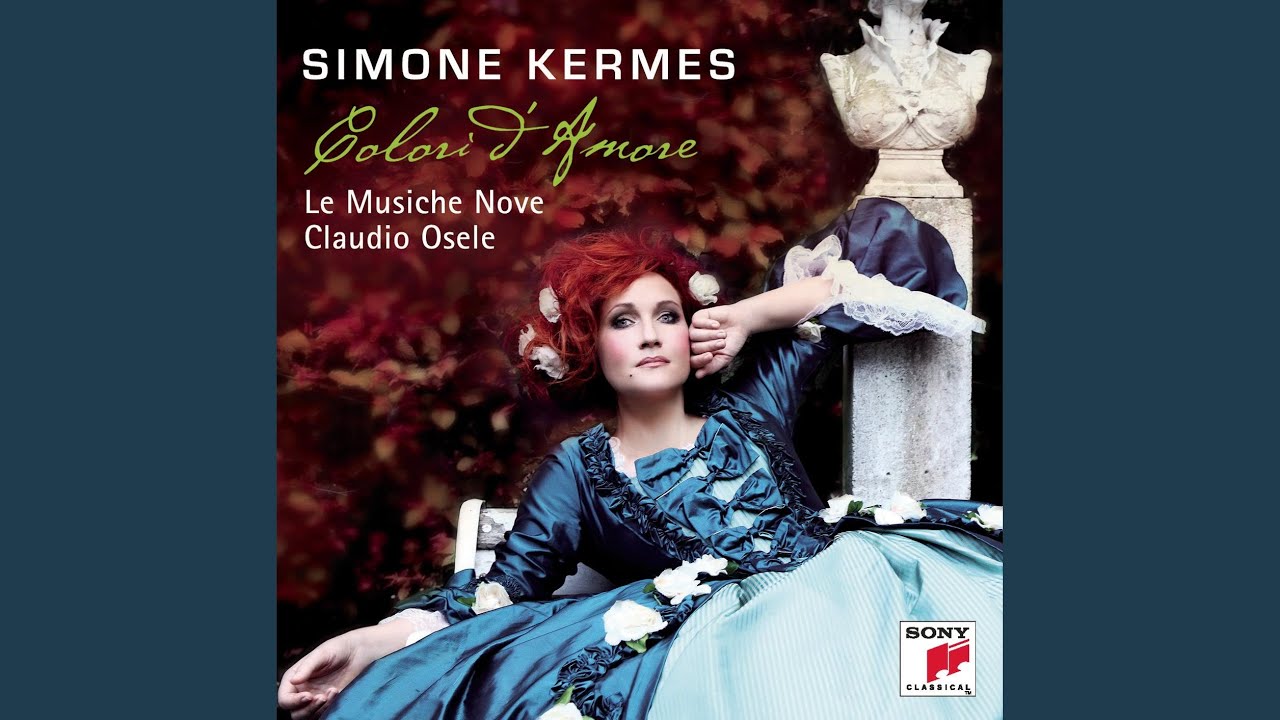
Amour, qui voudra désormais from the cantata Pirame et Tisbé (1713)
by Louis-Nicolas Clérambault (1676-1749)
Zachary Wilder, tenor
LES BOSTONADES:
Teddie Hwang, traverso
Sarah Darling, violin
Emily Walhout, viola da gamba
Akiko Sato, director & harpsichord
Amour, qui voudra désormais s'empresser à porter tes chaînes?
Si tu fais ressentir tes plus cruelles peines
Aux plus zêlés de tes sujets.
Tu refuses tes récompenses aux plus fidèles cœurs que tes trais ont soumis.
A qui n’en connoît pas le prix,
En aveugle tu les dispences.
Love, who now will rush to bear your chains?
If you inflict your cruelest sorrows
On your most loyal subjects.
You deny your rewards to your most faithful followers,
Yet you dispense them blindly to those unaware of their value.
from the liner notes:
Many of Clérambault's twenty-five cantatas were drawn from mythological subjects. The tale of Pirame et Tisbé (Second Book, 1713), famously adapted by Shakespeare in his Romeo and Juliet, is taken from the Fourth Book of Ovid's Metamorphoses (c. 8 AD). Pyramus and Thisbe, two young Babylon lovers forbidden marriage by their feuding families, arrange to meet one night outside the town to elope. The recitative "Elle cher-choit l'Amant" describes Thisbe's waiting for Pyramus and her encounter with a fierce lion, portrayed by a fast and aggressive bass line. She manages to escape but drops her veil, which is seized by the lion and smeared with blood. Convinced that Thisbe has been killed, Pyramus takes his own life. When Thisbe returns and find her beloved dead, she takes her life to be with him. [Sonia Lee]
CD available from Centaur:
https://www.bostonades.org/recording
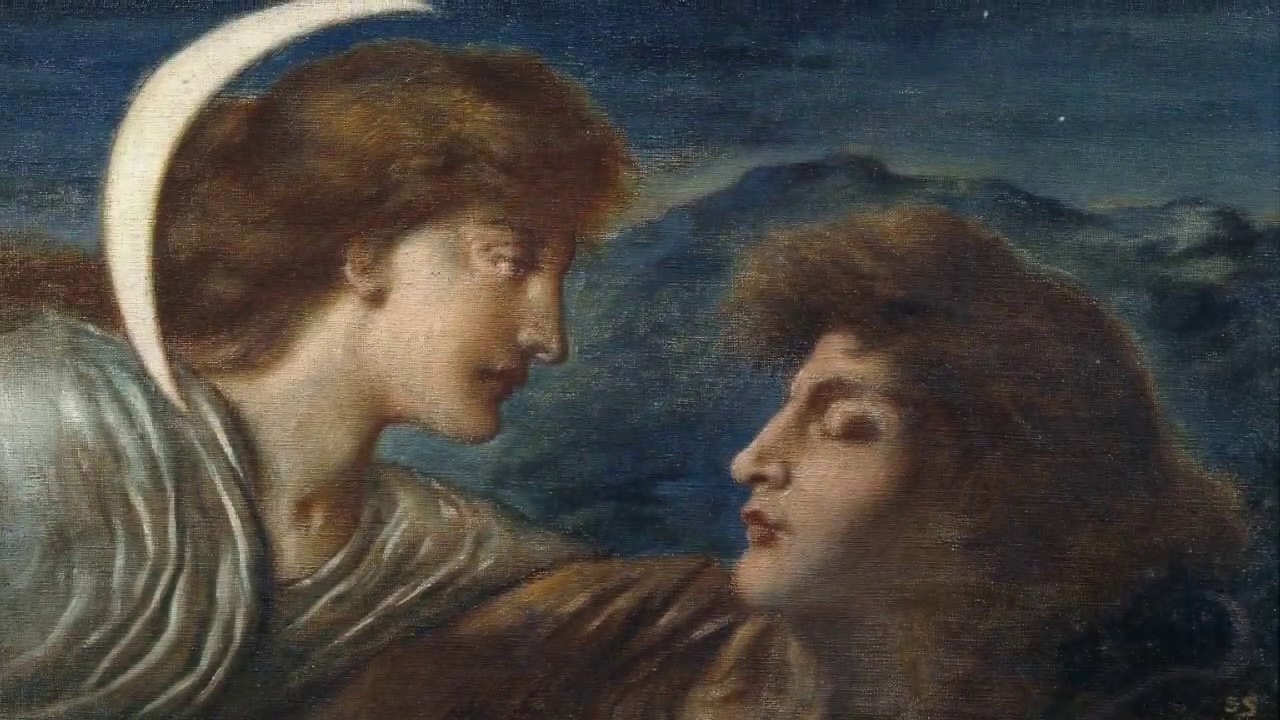
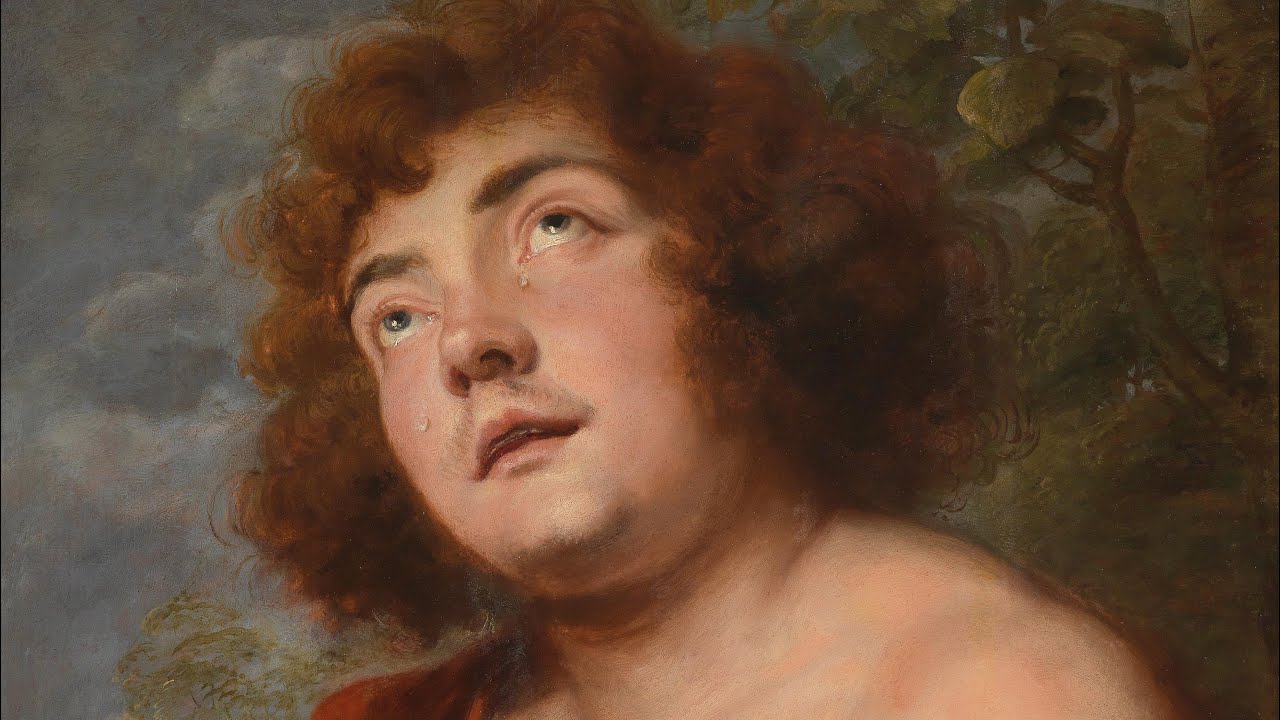
Various artists' depictions of Pyramus and Thisbe:
[0:17] Pierre-Claude Gautherot (1769-1825)
[0:46] Attributed to Jasper van der Laanen (1585-1634)
[1:10] Attributed to Frans Francken (1542-1616)
[1:37] Attributed to Jan Andrea Lievens (1644–1680)
[2:07] Gregorio Pagani (1558-1605)
[2:44] German or French school, circa 1800
Повторяем попытку...
Доступные форматы для скачивания:
Скачать видео
-
Информация по загрузке: