Apitherapy - Bee venom therapy and other medicinal properties of honey
Автор: Thika Town Today - 3T TV
Загружено: 2023-06-04
Просмотров: 3318
Описание:
Bees are a very essential part of the biodiversity on which we all depend for our survival. Almost 90% of wild plants and 75% of leading global crops depend on animal pollination with one out of every three mouthfuls of our food depending on pollinators such as bees.
Bees feed exclusively on sugary nectar and protein- which basically come from flowering plants. When the bees fly on, they deposit some of that pollen on the next flower they visit, resulting in fertilization, and thus allowing the plant to reproduce and to generate the fruits and seeds that human beings and so many other animals rely on as a food source.
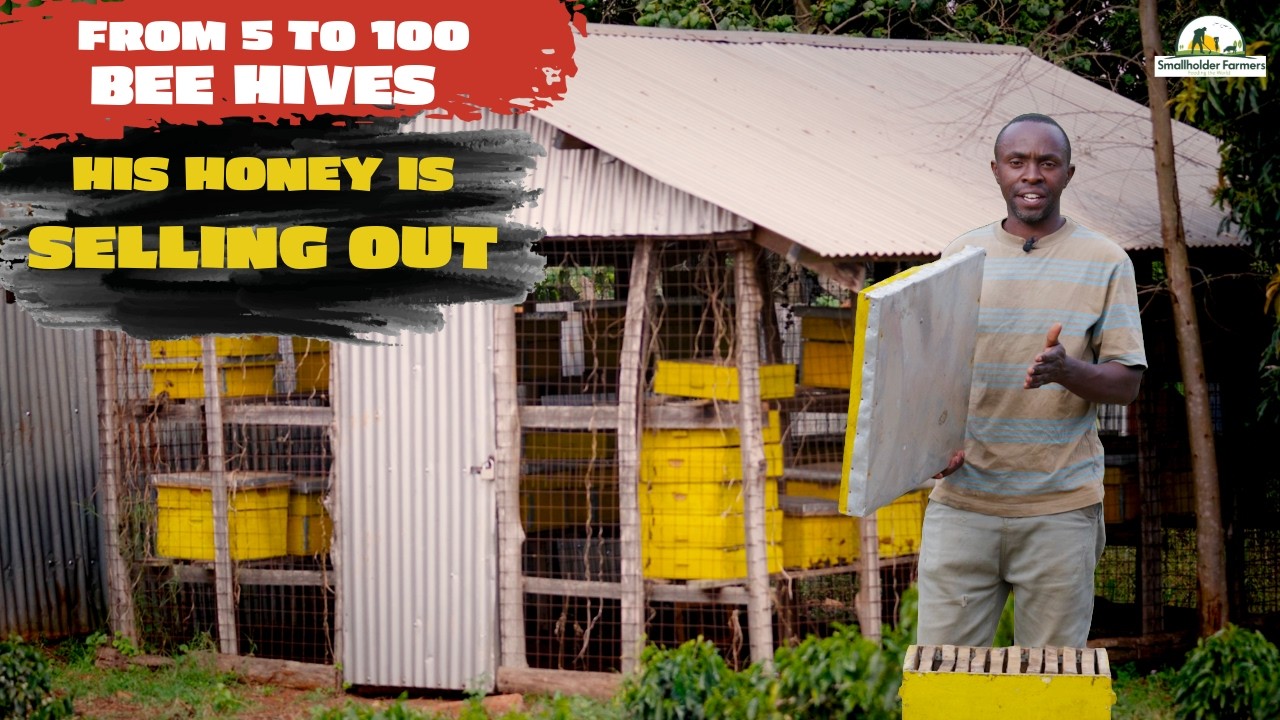
They provide honey which is a very high quality bee product with so many uses. Other bee products include royal jelly and pollen, bees wax, propolis and honey bee venom. Beekeeping also provides an important source of income for many rural livelihoods.
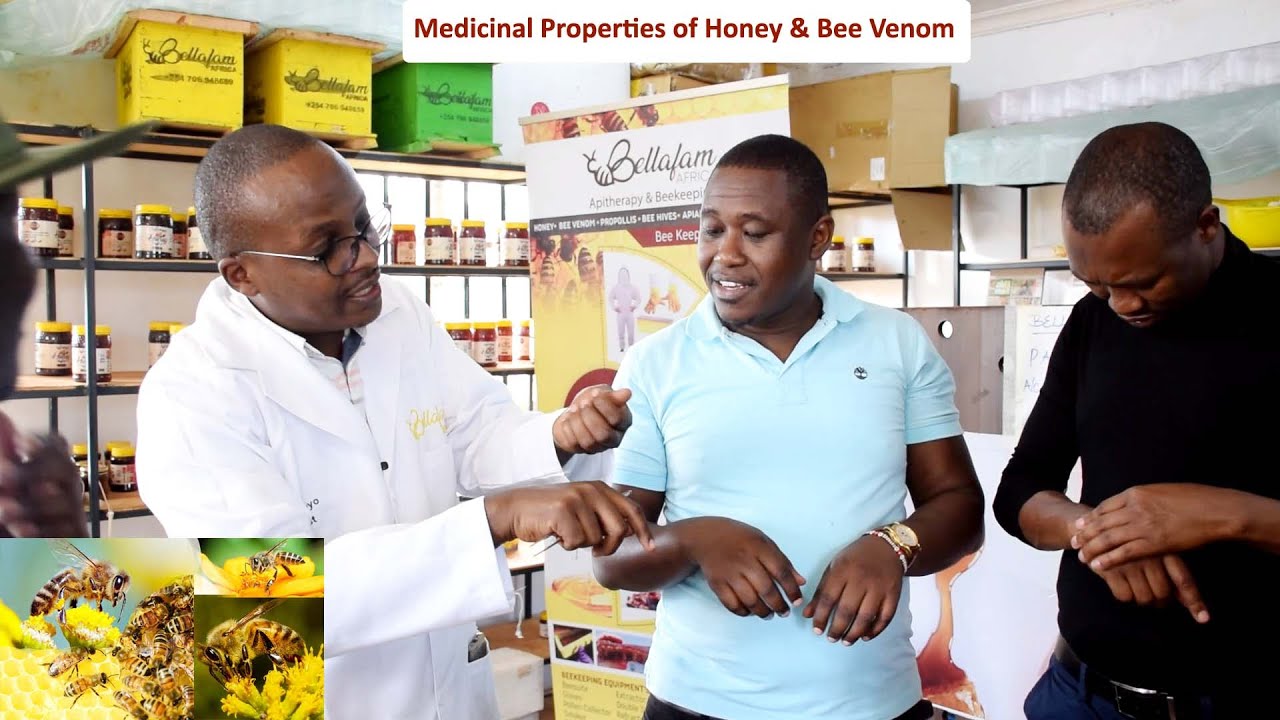
Stephen Kaboyo an Apitherapist and the founder of Bellafam Africa takes us through the various types of honey and other bee products and their importance to human life.
APITHERAPY AND PROPOLIS
Apitherapy is a branch of alternative medicine made by honeybees for medicinal purposes. These products include honey, beeswax, royal jelly, pollen, propolis, and bee venom. Apitherapists may use a combination of these products, depending on the condition they are treating.
When bees combine sap from trees with their own discharges and beeswax, they create a sticky, greenish-brown product used as a coating to build their hives. This is propolis, or “bee glue.” The composition of propolis can vary depending on the location of the bees and what trees and flowers they have access to.
Propolis has been reported to have various health benefits related to gastrointestinal disorders, allergies, and gynecological, oral, and dermatological problems. Royal jelly is well known for its protective effects on reproductive health, neurodegenerative disorders, wound healing, and aging.
BEESWAX
Beeswax is a natural wax produced by honey bees of the genus Apis. The wax is formed into scales by eight wax-producing glands in the abdominal segments of worker bees, which discard it in or at the hive.
Beeswax has been used since prehistory as a lubricant and waterproofing agent, as a polish for wood and leather, for making candles and as an ingredient in cosmetics among many other uses.
It forms a protective barrier on the skin's surface, protecting your skin from environmental irritants and harsh weather. It is particularly exceptional being non-comedogenic, allowing the skin to breathe freely. This makes beeswax particularly beneficial for acne-prone and sensitive skin.
BEE POLLEN
Bee pollen, also known as bee bread and ambrosia, is a ball or pellet of field-gathered flower pollen packed by worker honeybees and used as the primary food source for the hive. It consists of simple sugars, protein, minerals and vitamins, fatty acids and a small percentage of other components. It comes from the pollen that collects on the bodies of bees as they fly from one flower to another. Bee pollen may also include bee saliva.
There has been recommendation for the use of bee pollen to treat alcoholism, asthma, allergies, premenstrual syndrome, enlarged prostate and stomach problems. It’s also used as an energy tonic. Some women choose to use bee pollen for fertility, to increase libido and reproductive health, for egg quality support, longevity and anti-aging as well as boost immunity.
BEE VENOM
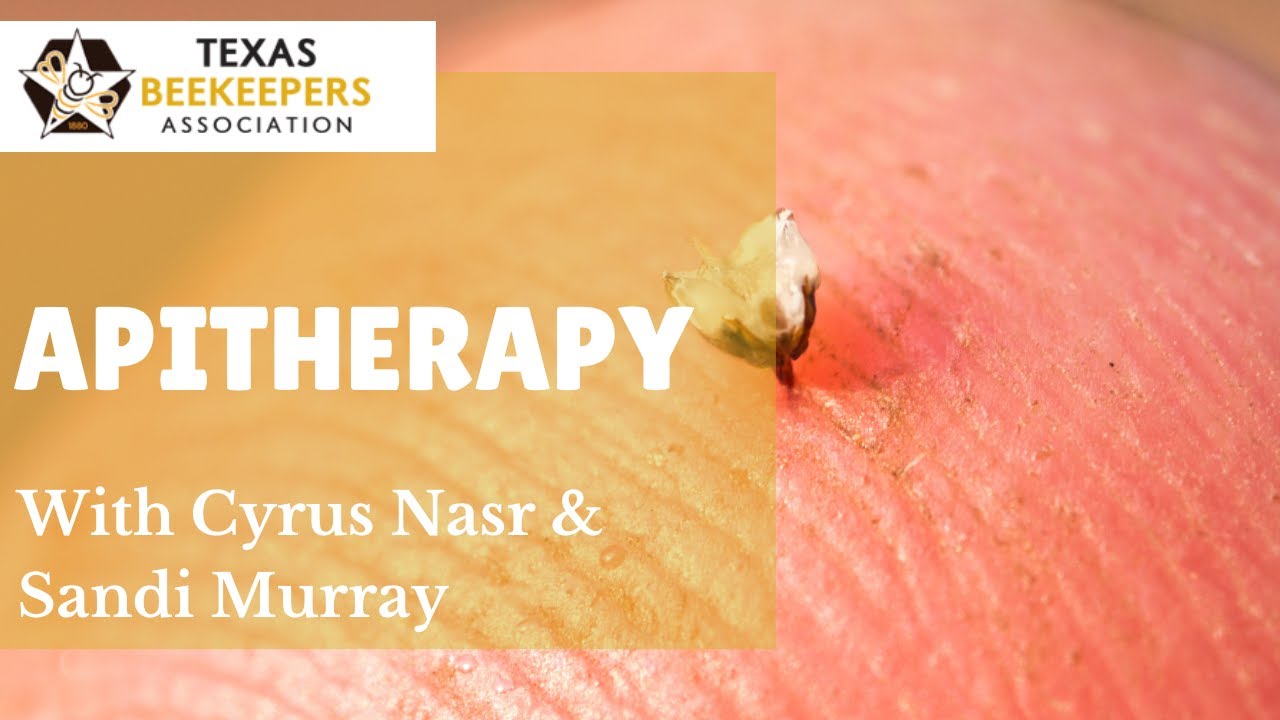
Bee venom is a colorless and acidic liquid excreted by bees through their stingers into a target when they feel threatened. It contains both anti-inflammatory and inflammatory compounds including enzymes, sugars, minerals and amino acids
Bee venom is used as a natural treatment for a variety of ailments. Its proponents claim that it offers a wide range of medicinal properties, ranging from reducing inflammation to treating chronic illnesses.
BEE AIR THERAPY
Beehive air therapy is mainly used for respiratory problems and allergies and is recognized as a potential remedy for treating asthma, bronchitis, lung fibrosis and respiratory tract infections. Spending a few hours in an apiary inhaling the aerosol which is the air filled with etheric smells of bees, boosts one's immune system, positively affects the respiratory organs, reduces stress and improves one's general wellbeing.
Повторяем попытку...
Доступные форматы для скачивания:
Скачать видео
-
Информация по загрузке: