Aquarium fish Lemon Tetra Hyphessobrycon pulchripinnis
Автор: Aquarium Care Tips
Загружено: 2026-06-08
Просмотров: 5
Описание:
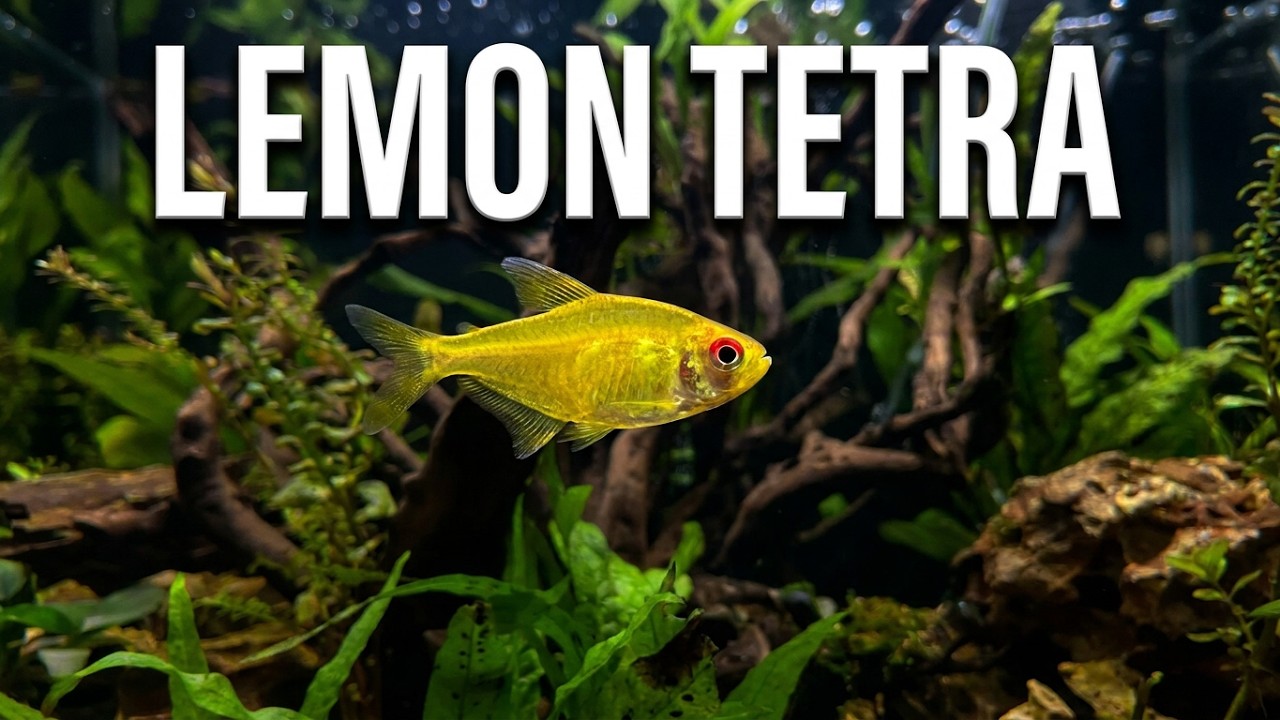
Hyphessobrycon pulchripinnis, commonly known as the Lemon Tetra, is a small and peaceful freshwater fish native to South America, especially the Amazon River basin in Brazil. It is highly appreciated in the aquarium hobby due to its elegant appearance, active schooling behavior, and easy maintenance.
The Lemon Tetra has a delicate silver-yellow body with a noticeable lemon tint. Its eyes often display a striking red coloration, while the dorsal and anal fins may show black and yellow markings. Adult specimens usually grow up to 4–5 cm in length.
This species is social and should always be kept in groups of at least 6–10 individuals. In larger schools, the fish feel safer and display more natural behavior and stronger coloration.
Aquarium Requirements
• Tank size: Minimum 60 liters
• Water temperature: 23–28°C
• pH level: 5.5–7.5
• Water hardness: Soft to moderately hard water
• Lighting: Moderate
• Aquarium setup: Dense plants, open swimming space, driftwood, and dark substrate are recommended
Lemon Tetras prefer calm environments with clean, well-filtered water and gentle water flow. Regular water changes are important for maintaining their health.
Feeding
Hyphessobrycon pulchripinnis is omnivorous and accepts a wide variety of foods:
• High-quality flakes or micro pellets
• Frozen foods such as bloodworms or daphnia
• Live foods including brine shrimp
• Vegetable-based supplements
Lemon Tetras are peaceful community fish and are suitable for community aquariums with other non-aggressive species. Good tank mates include:
• Other small tetras
• Rasboras
• Corydoras catfish
• Small gouramis
• Peaceful dwarf cichlids
Avoid keeping them with large or aggressive fish species.
Care and Maintenance
To keep Lemon Tetras healthy:
• Perform weekly water changes of 20–30%
• Maintain stable water parameters
• Avoid overcrowding
• Keep them in groups
• Provide hiding places among plants and decorations
Healthy Lemon Tetras are active swimmers with bright coloration and good appetite.
Breeding
Breeding Lemon Tetras in captivity is possible but requires soft, slightly acidic water and a separate breeding tank. The species is egg-scattering, and adults may eat the eggs, so the eggs should be protected after spawning.
Fry should be fed infusoria or specialized fry food until they are large enough to consume larger foods.
The Lemon Tetra (Hyphessobrycon pulchripinnis) is an excellent choice for both beginner and experienced aquarists. Its peaceful temperament, attractive appearance, and simple care requirements make it one of the most popular tetra species in freshwater aquariums.
Some interesting facts:
1. Hyphessobrycon pulchripinnis, commonly known as the Lemon Tetra, gets its name from the distinctive yellow coloration of its dorsal and anal fins, which resemble the color of a lemon.
2. This species is native to the clear and slow-moving waters of the Tapajós River Basin in Brazil, where it inhabits tributaries rich in aquatic vegetation.
3. The Lemon Tetra was first scientifically described by George S. Myers in 1924 and has since become one of the most popular freshwater aquarium fish worldwide.
4. Despite its bright appearance, the Lemon Tetra can change color intensity depending on its mood, health, and environmental conditions. Well-maintained fish often display more vibrant yellow fins and a striking red ring around the eye.
5. One of its most recognizable features is its eye coloration: healthy specimens often have a bright red upper iris that contrasts beautifully with their silver-gold body.
6. Lemon Tetras are schooling fish and feel most secure when kept in groups of at least six individuals. In larger schools, they exhibit more natural and interesting social behaviors.
7. Males and females can be distinguished by subtle differences in coloration and fin markings. Males typically have more intense colors and darker edging on their fins.
Bonus fact: When kept in a densely planted aquarium with subdued lighting and dark substrate, Lemon Tetras often display their most intense colors, closely resembling their natural habitat in the Amazon region.
Write in the comments about your experiences in breeding this beautiful fish.
Повторяем попытку...
Доступные форматы для скачивания:
Скачать видео
-
Информация по загрузке: