Dance Hall Era – When America Met on the Floor
Автор: Iron & Honor The Archive
Загружено: 2026-02-25
Просмотров: 14
Описание:
Most people don’t know this…
Before streaming.
Before television dominance.
Before nightlife became exclusive.
America gathered in dance halls.
In the late 1800s and early 1900s, as cities industrialized and railroads connected regions, public dance halls became social infrastructure. Working-class Americans needed affordable recreation.
Factories ran long hours.
Immigrants flooded cities.
Communities needed common ground.
Dance halls provided it.
Live bands.
Wood floors.
Open doors.
They were often built near trolley lines and downtown districts, allowing workers to gather after shifts. Music styles evolved inside these spaces — ragtime, jazz, swing, big band.
In cities like Chicago and New York City, dance halls became cultural laboratories. In rural America, barns and local halls hosted community dances that anchored small-town identity.
They weren’t luxury venues.
They were democratic.
Admission was affordable.
Dress codes were minimal.
The goal was participation.
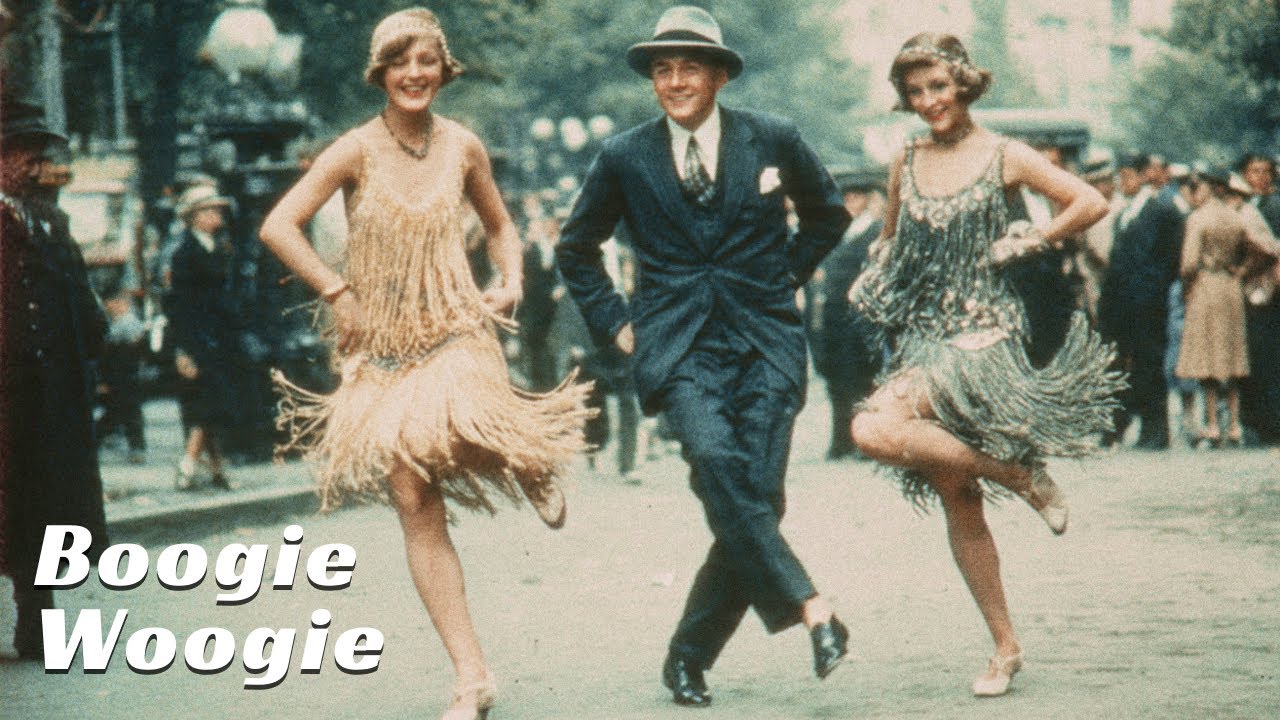
During the 1920s, the dance hall era surged alongside jazz culture. Despite Prohibition, music thrived. Social energy intensified. Dancing became an expression of youth, rebellion, and connection.
Then the Great Depression hit.
Money tightened.
Travel slowed.
Venues struggled.
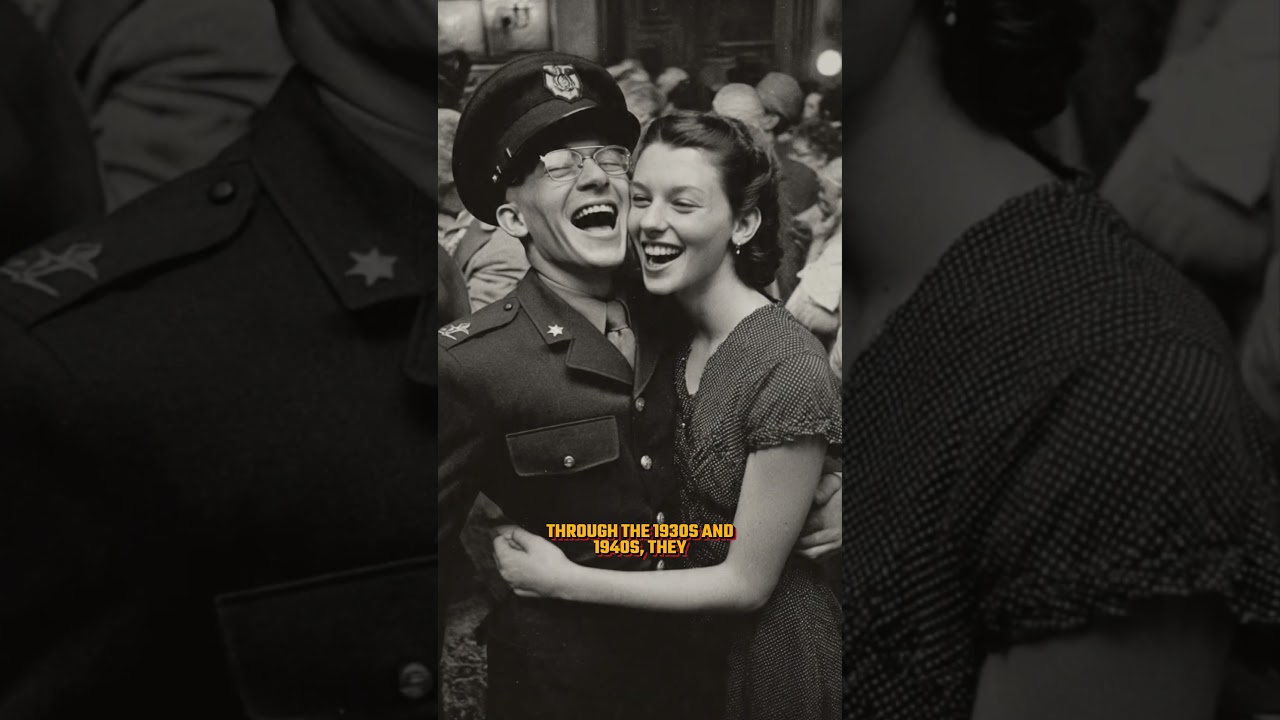
World War II briefly revived dance culture as servicemen and civilians sought relief from uncertainty. USO dances and swing nights filled halls once more.
But after the war, entertainment shifted.
Television entered living rooms.
Suburbs spread populations outward.
Nightlife centralized into clubs and specialized venues.
By the 1960s and 70s, many traditional dance halls had closed or been repurposed. Music moved into arenas, bars, and later digital platforms.
The communal wooden floor gave way to private screens.
The dance hall era declined not because music stopped, but because gathering changed.
Dance halls represent a chapter of American social history where physical presence defined culture.
Live instruments.
Shared rhythm.
Strangers becoming partners for a song.
Not curated.
Not algorithm-driven.
Real time.
Real space.
This is the real story of how America once met face-to-face on polished floors — and how industrialization, war, technology, and suburbanization reshaped the way we gather.
–––
IRON & HONOR – The Stories of How We Were Built
Iron & Honor uncovers the hidden grit behind tools, spaces, and systems forged under pressure. From factory towns to music halls, we tell the stories most people never hear.
If you are into
American social history
jazz and swing culture
industrial era communities
urban development
lost American spaces
You are in the right place.
Follow Iron & Honor for the stories of how we were built.
–––
KEY TOPICS IN THIS VIDEO:
dance hall era history
jazz and swing culture
industrial urban America
Great Depression nightlife
postwar suburban shift
decline of communal venues
–––
SEO TAG BANK:
dance hall era rise and fall american jazz history swing culture 1920s nightlife great depression entertainment suburbanization social history iron and honor brand story
Повторяем попытку...
Доступные форматы для скачивания:
Скачать видео
-
Информация по загрузке: