Fuse Ratings: What is the "Melting Integral" or "I-Squared-T Value" good for?
Автор: KainkaLabs
Загружено: 2017-02-12
Просмотров: 8296
Описание:
When it comes to choosing a fuse for a specific application most people only take care of the right current- ad voltage-rating of the fuse.
Support Roger on Patreon: / kainkalabs
But what about the inrush-current? Does your fuse resist the inrush-current and is a quick-acting (fast-blow) or a time-lag (slow-blow) fuse better?
The answer lies in a not well-known characteristic of fuses called the "Melting Integral" or "I2T-Value" (I-squared-t value)?
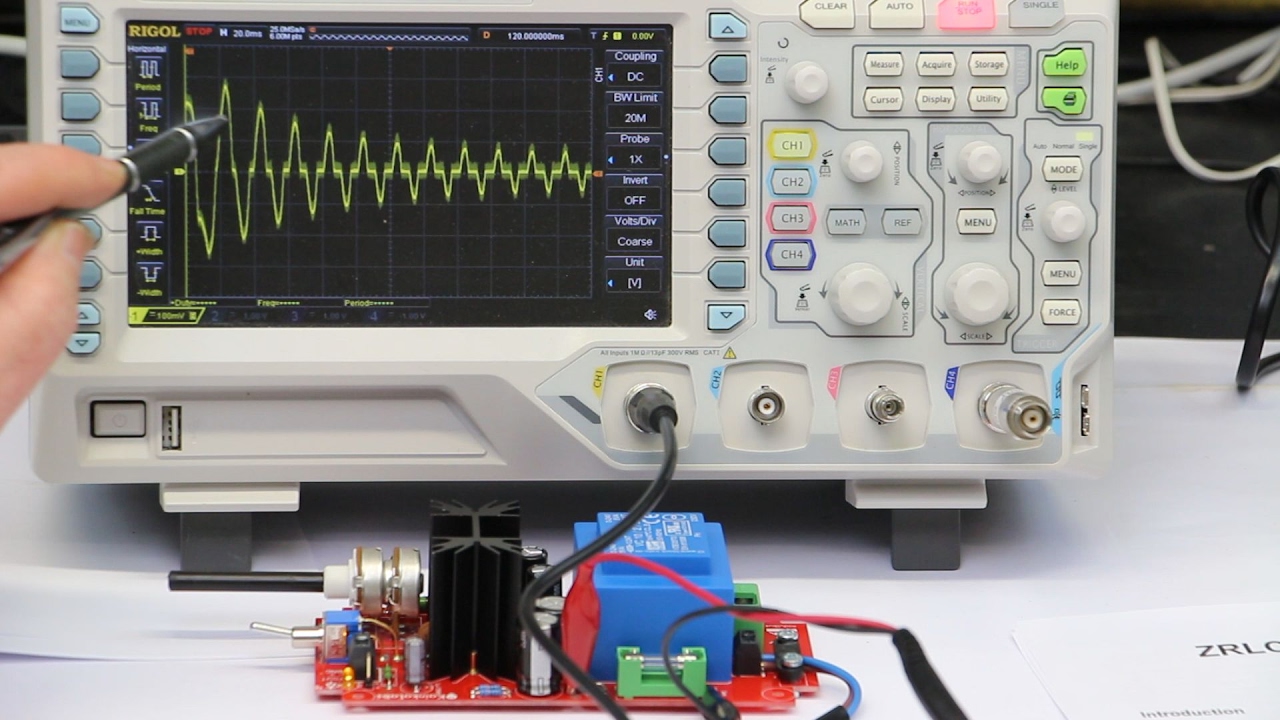
What is it and how you get the right fuse-rating by either simulating or measuring the inrush-current?
Roger explains all in detail with a practical example and shows some tricks with LTSpice and how to measure the inrush-current in a real-life circuit.
For further explanation of the used RMS-current definition:
• True-RMS Measurement Pt.1: AC vs. AC+DC
and RMS-power:
• True-RMS Measurement Pt.3: RMS-Power
Повторяем попытку...
Доступные форматы для скачивания:
Скачать видео
-
Информация по загрузке:


