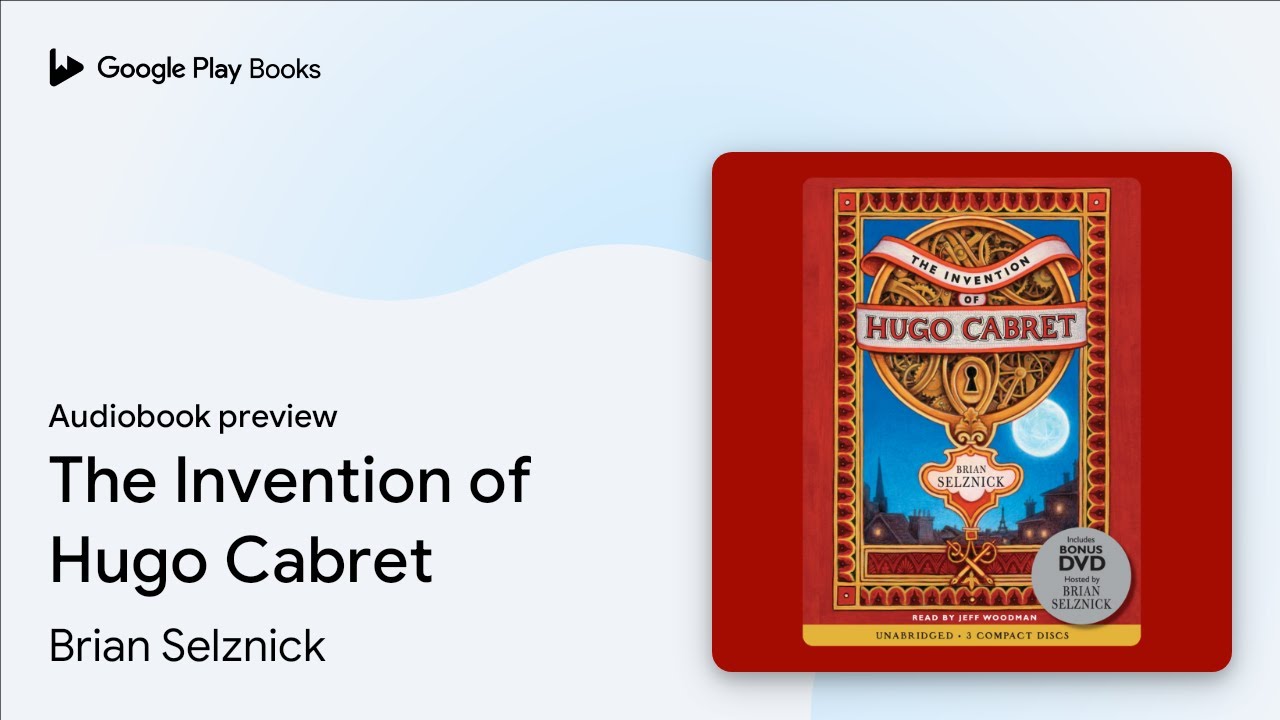
The Invention of Hugo Cabret by Brian Selznick (Book Summary and Review) - Minute Book Report
Автор: Minute Book Reports
Загружено: 2013-06-27
Просмотров: 12867
Описание:
This is a quick book summary and analysis of The Invention of Hugo Cabret by Brian Selznick. This channel discusses and reviews books, novels, and short stories through drawing...poorly. New Minute Book Reports are posted every week.
Facebook Page - / 1148331925195691
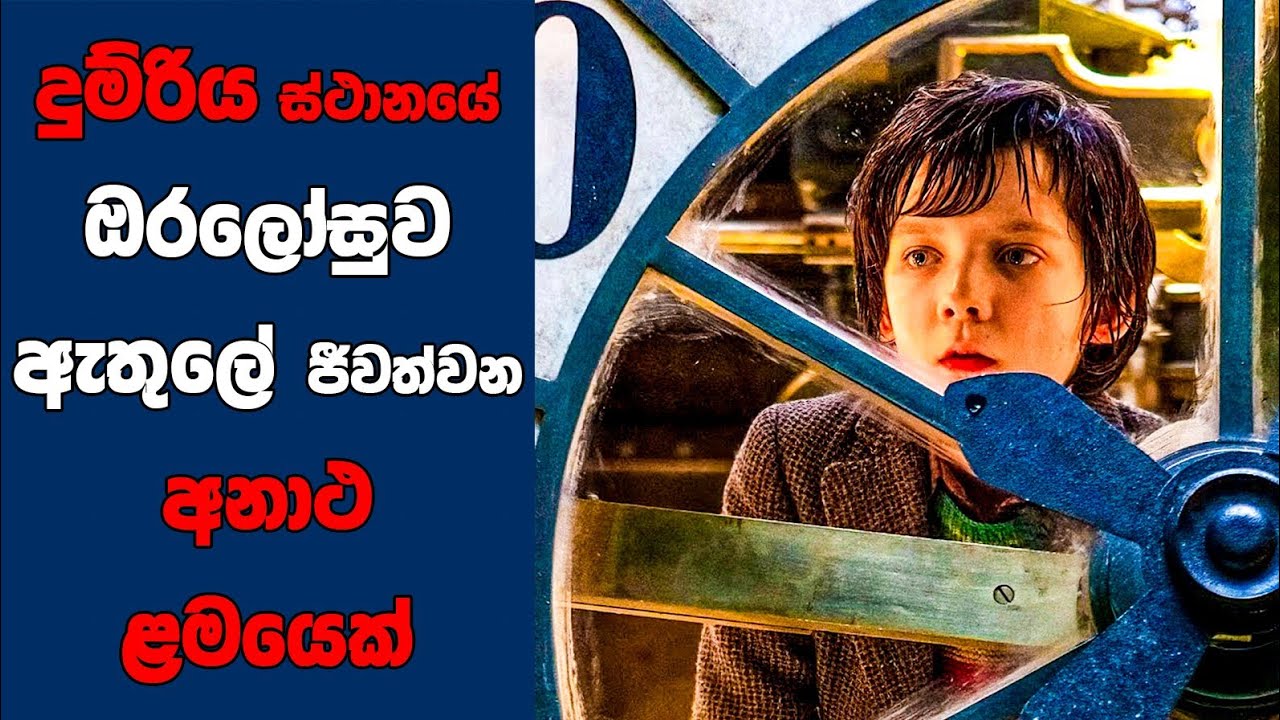
This is a story about an orphan named Hugo who is living in a Paris train station. His uncle takes him in and trains him to be a timekeeper to upkeep the numerous clocks throughout the train station. However, his uncle disappears, leaving Hugo to secretly upkeep the clocks by himself.
To survive, Hugo steals from the various train station shops. However, he gets caught stealing a toy mouse from the toy maker.
The toy maker looks through a notebook that Hugo is carrying and sees a drawing of a mechanical man. This mechanical man, or automaton, has significant sentimental value to Hugo because his father used to work on one before he died. In fact, Hugo, who took the mechanical man from the rubble of a burned down museum, has been slowly fixing it in his room at the train station. The toy maker asks Hugo where he got the book from and Hugo panics and runs away.
The toy maker tells Hugo that the notebook is burned, but Isabelle, the toy maker's goddaughter, tells Hugo that the notebook is still intact.
Hugo steals a key from around Isabelle's neck, but she follows Hugo to his room within the train station. After fitting the key in the back of the automaton, they watch as the machine begins to move, drawing a picture of a rocket landing in the eye of the moon. This image is significant because it is similar to a movie described by Hugo's father.
Hugo follows Isabelle to her home and they find a secret box of drawings. When the toy maker and his wife see the drawings, the toy maker grows ill and his wife panics. Isabelle and Hugo are told to never bring up the drawings again.
Fortunately, Hugo is curious and goes to a French Film Museum to research the toy maker's name, Georges Melies. Hugo discovers that Melies used to be a famous film maker and magician.
Hugo shares this information with Isabelle and together they confront the toy maker.
After watching a few of his old films, the toy maker explains that he was an avid film maker, but stopped after Isabelle's parents, a former cameraman for Melies and a school teacher, were killed in a train accident.
And in the end, the French Film Museum holds a special event, displaying the lost films of Melies, and Hugo becomes an accomplished magician and automaton builder.
The most interesting aspect of this story is its use of text and pictures to tell the story. The hand-drawn illustrations serve to better tell the story where the author deems it more appropriate for pictures rather than words, like during scenes where characters are running or walking long distances. But these images also play a role in the metafiction of the entire book, as the physical book is supposed to be written and drawn by an automaton built by Hugo.
The automaton is not only a historical artifact, but a reminder of how each person has a purpose. Like the tiny cogs and screws that make up an automaton, we, too, are put together with cells and bones. But more importantly, both automatons and people have purpose and specific functionality.
Automatons, by nature, are designed to perform a certain function, like write or play chess. That is their purpose. And according to the story, people are also designed in the same manner. We are all designed for a certain function. And like automatons, sometimes people are "broken", but thankfully they can be fixed and given back their purpose.
This story also blurs the line of history and fiction by using real life images of famous movie scenes. This adds a layer of realism to the story, making it somewhat of an interesting genre - children's historical fiction.
But will children get this? Will they realize where this story fits in the history of film and entertainment? Probably not unless they are a film scholar.
But what it does do is connect books with real life, with things in this world that mean something to a lot of people. Oftentimes, books, especially fiction, have a difficult time connecting to real life. And for developing children reading beyond talking animals and pets, the ability to find connection between what they read and the world they live in is extremely important.
Through Minute Book Reports, hopefully you can get the plot and a few relevant discussion points in just a couple of minutes.
Music by WingoWinston from newgrounds.com.
Повторяем попытку...
Доступные форматы для скачивания:
Скачать видео
-
Информация по загрузке: