History of the Fabian Society ❤️ By Edward R. Pease FULL Audiobook
Автор: TopicsDive
Загружено: 2024-03-18
Просмотров: 382
Описание:
History of the Fabian Society. By Edward R. Pease FULL Audiobook
Here's a detailed summary of "History of the Fabian Society" by Edward R. Pease:
The Fabian Society, founded in 1884 in London, is a British socialist organization that played a significant role in shaping the political landscape of the late 19th and early 20th centuries. Edward R. Pease's book, The History of the Fabian Society, provides a comprehensive account of the society's origins, development, and impact.
1. Origins and Founding:
The Fabian Society emerged during a period of intense social and economic change in Britain. It was named after the Roman general Quintus Fabius Maximus, known for his strategy of gradual attrition against opponents.
The founding members included intellectuals, writers, and activists such as George Bernard Shaw, Sidney Webb, Annie Besant, and Edward Pease himself.
Their goal was to promote socialism through gradual reform rather than revolutionary upheaval. They believed in the power of intellectual persuasion and practical policy proposals.
2. Early Years and Influence:
The Fabians engaged in research, publications, and lectures to disseminate socialist ideas. They advocated for state intervention, welfare programs, and collective ownership.
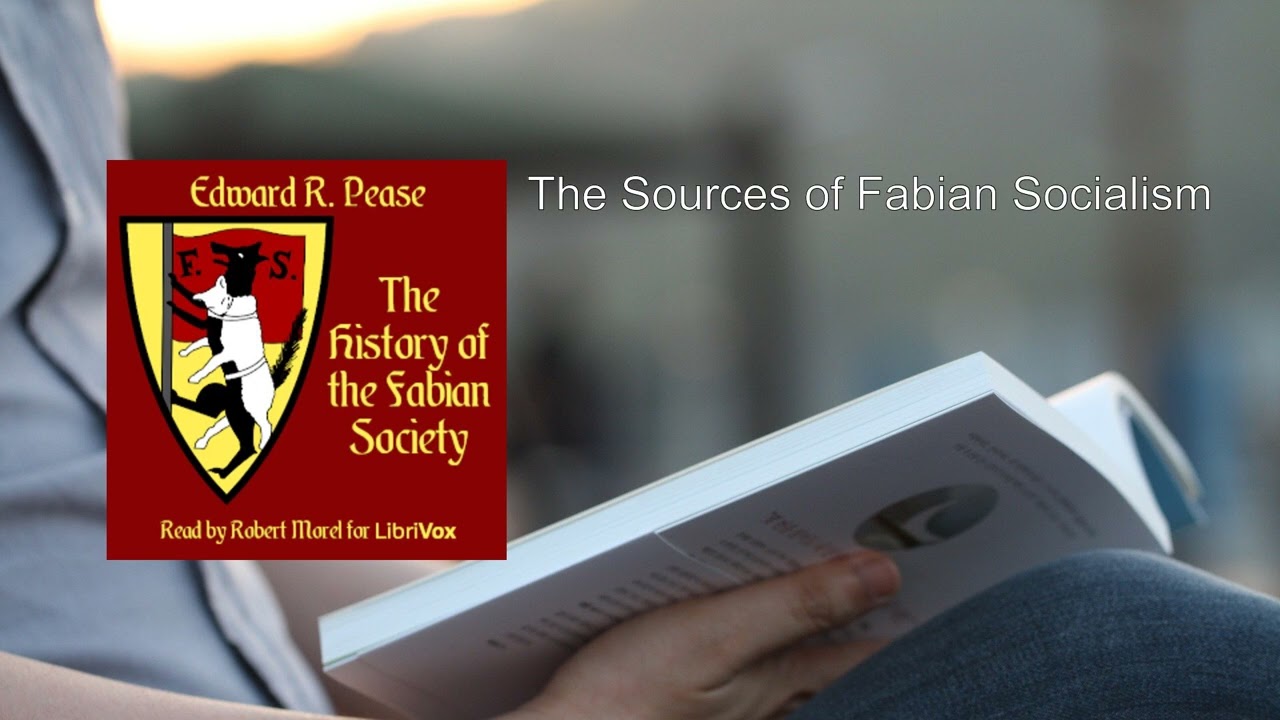
Their famous emblem, the wolf in sheep's clothing, symbolized their approach: patiently working within existing institutions to achieve socialist goals.
The Fabians influenced the Labour Party, which emerged later. They contributed to the welfare state, minimum wage legislation, and public education reforms.
3. Key Figures and Ideas:
Sidney Webb and Beatrice Webb were central figures. Sidney's work on municipal socialism and Beatrice's research on poverty were influential.
The Fabians believed in gradualism, pragmatism, and incremental change. They rejected revolutionary tactics.
Their tract series provided intellectual ammunition for socialists and influenced policymakers.
4. Controversies and Debates:
The Fabians faced criticism from both the left (for being too moderate) and the right (for advocating socialism).
H.G. Wells and G.K. Chesterton engaged in debates with Fabians over socialism's merits.
The society grappled with questions of class struggle, individual liberty, and economic planning.
5. Legacy and Impact:
The Fabian Society's legacy endures. It remains a forum for socialist thought and policy discussions.
Its influence extends beyond Britain, inspiring similar movements worldwide.
The Fabians' commitment to intellectual rigor and practical solutions continues to shape progressive politics.
In summary, The History of the Fabian Society provides a fascinating exploration of how a group of intellectuals navigated the complexities of social change, leaving an indelible mark on British politics and beyond .
More: Fabian Society, Socialism, Edward R. Pease
Political thought, England, Last thirty years
Influence, Growth, Socialist theory
Economics, LibriVox, Audiobooks
00:00:00 Preface
00:02:03 The Sources of Fabian Socialism
00:27:32 The Foundations of the Society: 1883-84
00:42:27 The Early Days: 1884-6
01:27:23 The Formation of Fabian Policy: 1886-89
02:15:02 Fabian Essays and the Lancashire Campaign: 1890-3
02:41:05 To Your Tents O Israel: 1894-1900
03:12:39 "Fabianism and the Empire": 1900-1901
03:47:37 Education: 1902-1905, and the Labour Party: 1900-1915
04:34:03 The Episode of Mr. Wells: 1906-1908
05:12:37 The Policy of Expansion: 1907-1912
06:07:39 The Minority Report, Syndicalism and Research: 1909-1915
06:51:08 The Lessons of Thirty Years
Повторяем попытку...
Доступные форматы для скачивания:
Скачать видео
-
Информация по загрузке: