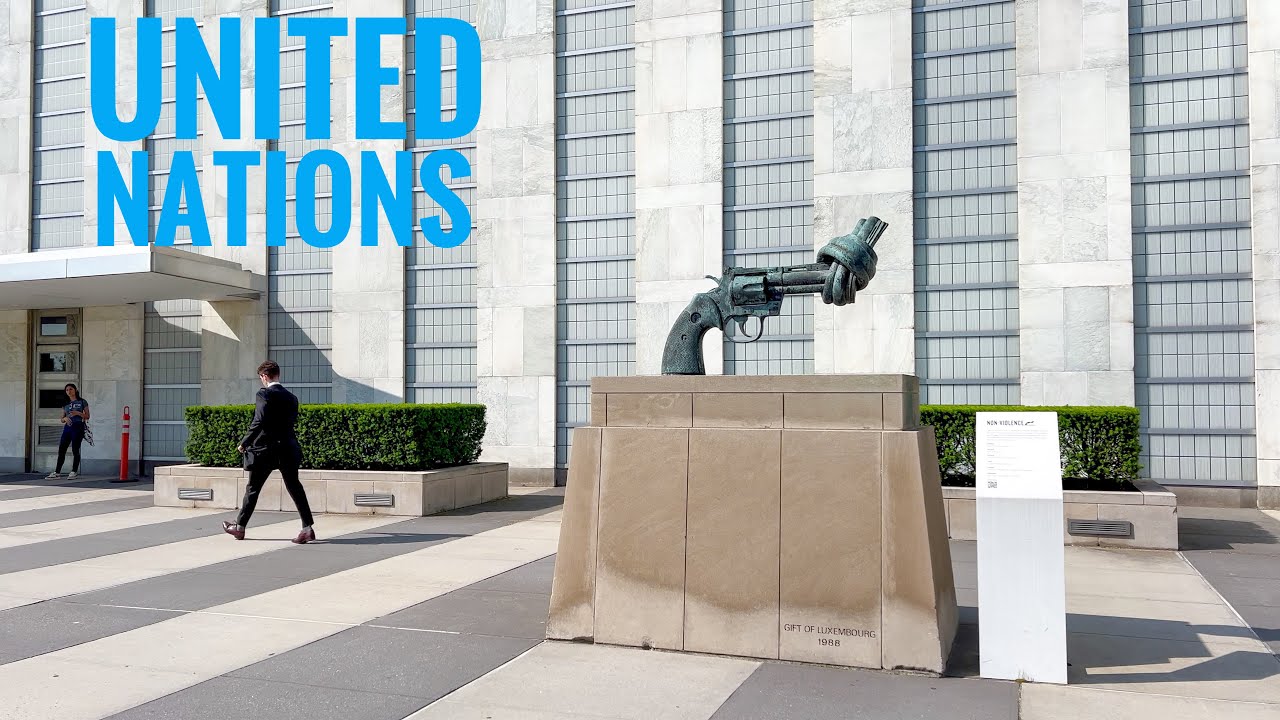
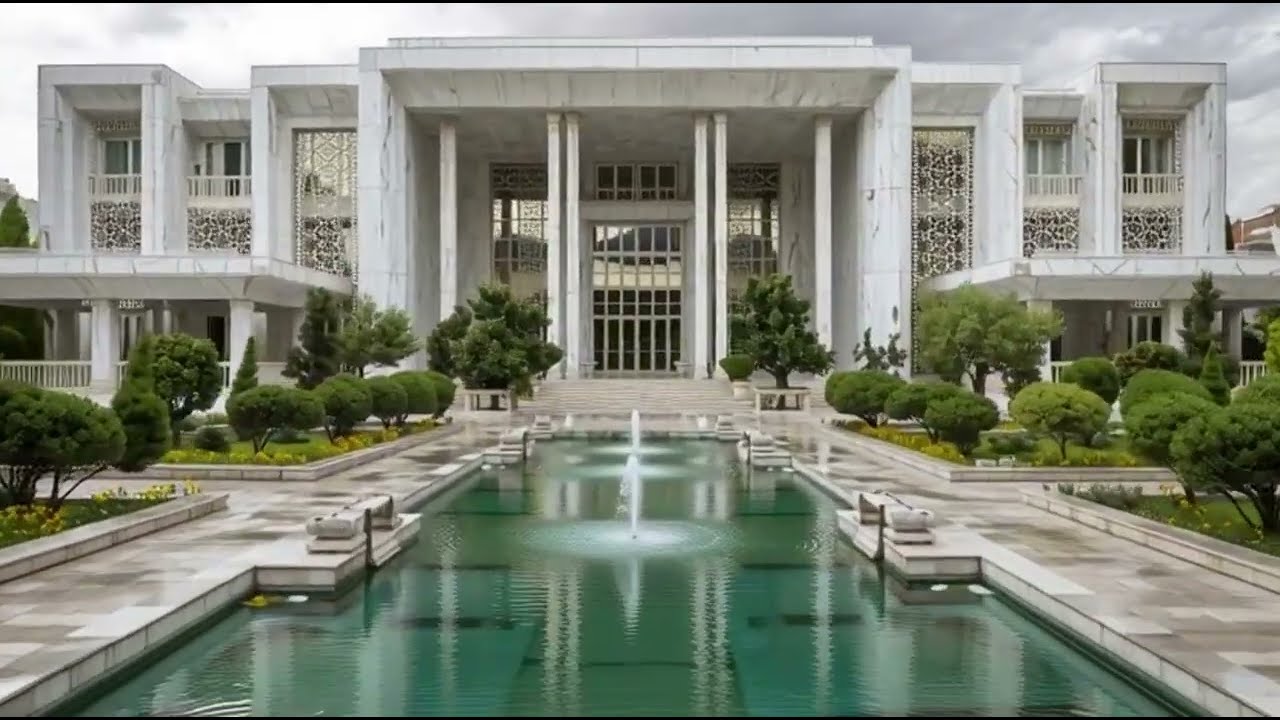
The United Nations Headquarters, New York
Автор: Short Landmark Aerial Views
Загружено: 2024-06-12
Просмотров: 9860
Описание:
The United Nations Headquarters, located in the Turtle Bay neighborhood of Manhattan, New York City, stands as a monumental symbol of international diplomacy and cooperation. Completed in 1952, the complex is a testament to modernist architectural design and represents the collaborative efforts of some of the most renowned architects of the 20th century. The headquarters not only serves as the administrative center for the United Nations but also embodies the organization's mission of promoting peace and security worldwide.
The idea for an international organization to promote peace was conceived during the tumultuous years of World War II. After the war ended, representatives from 50 countries gathered in San Francisco to draft the United Nations Charter, which was officially signed on June 26, 1945. The search for a permanent home for the UN began shortly thereafter. New York City was selected in December 1946, largely due to a donation of $8.5 million from John D. Rockefeller Jr., who purchased the land for the future headquarters.
The architectural design of the United Nations Headquarters was the result of an international collaboration led by a committee of architects from various countries, known as the "Board of Design." This board included notable figures such as Le Corbusier from France, Oscar Niemeyer from Brazil, and Wallace Harrison from the United States, who served as the committee's director.
The final design was primarily influenced by Niemeyer and Le Corbusier's "Scheme 23A," which featured a blend of modernist elements and innovative construction techniques. The complex consists of four main buildings: the Secretariat Building, the General Assembly Building, the Conference Building, and the Dag Hammarskjöld Library.
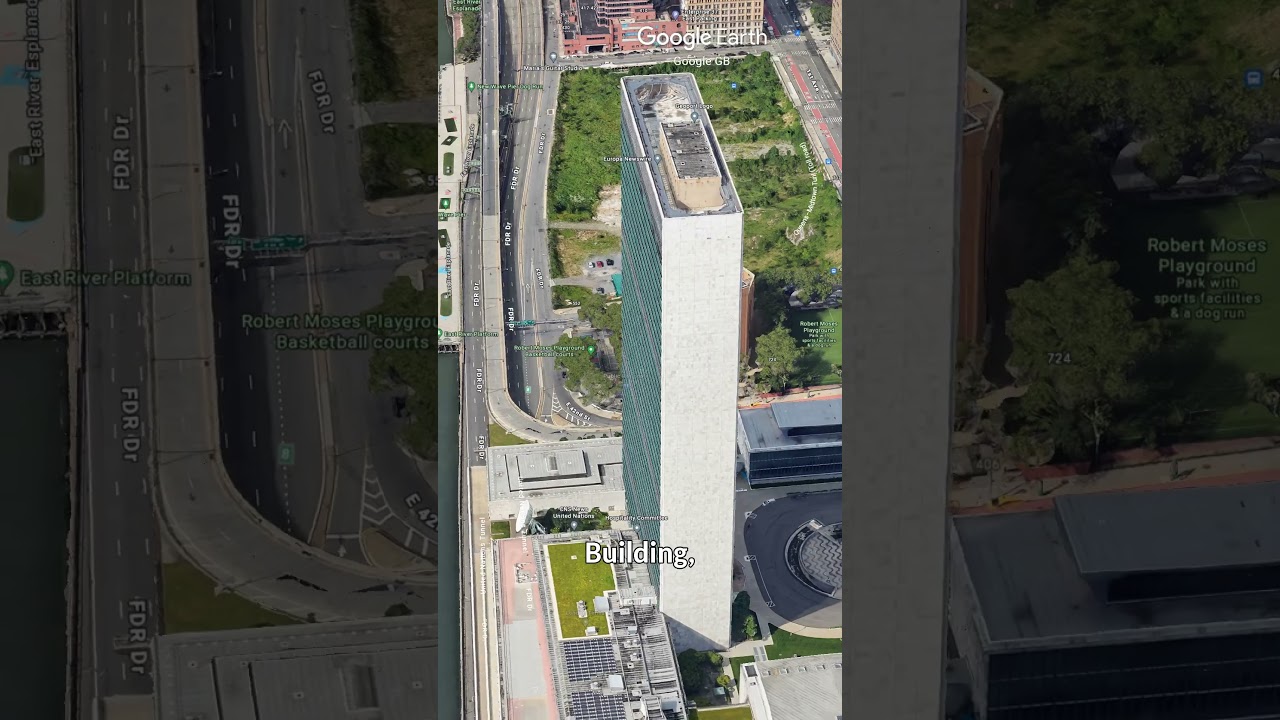
The Secretariat Building, a sleek 39-story glass tower, is the most recognizable structure within the UN Headquarters. Completed in 1952, it exemplifies the International Style with its clean lines, rectangular form, and extensive use of glass and steel. The building houses the offices of the Secretary-General and various UN departments.
*The General Assembly Building:*
The General Assembly Building is a striking structure with a dome-like roof and a large, sweeping façade. It serves as the primary meeting place for the UN General Assembly, where representatives from all member states convene to discuss and address global issues. The building's interior features a grand assembly hall with seating for over 1,800 delegates and visitors.
The Conference Building connects the Secretariat and General Assembly buildings and includes numerous meeting rooms and offices. It is designed to accommodate the various committees and councils that operate within the UN, such as the Security Council, the Economic and Social Council, and the Trusteeship Council.
Named after the second Secretary-General of the United Nations, the Dag Hammarskjöld Library was added to the complex in 1961. It serves as a vital resource for UN staff, diplomats, and researchers, housing an extensive collection of documents, books, and other materials related to international affairs and diplomacy.
The United Nations Headquarters is celebrated for its architectural innovation and the harmonious integration of diverse design elements. The complex is a prime example of the International Style, characterized by its emphasis on volume over mass, the use of lightweight, industrial materials, and the rejection of unnecessary ornamentation.
The collaborative design process, which brought together architects from different cultural backgrounds, mirrors the UN's mission of fostering international cooperation. The headquarters' layout and aesthetics symbolize the ideals of transparency, openness, and unity.
Over the years, the UN Headquarters has undergone several renovations to address aging infrastructure and incorporate modern sustainability practices. The most significant renovation, known as the Capital Master Plan, began in 2008 and was completed in 2014. This project aimed to improve energy efficiency, update building systems, and enhance the overall safety and functionality of the complex.
The United Nations Headquarters in New York City remains an iconic representation of global diplomacy and architectural excellence. Its historical significance, innovative design, and commitment to sustainability reflect the enduring values of the United Nations. As a hub for international dialogue and cooperation, the headquarters continues to play a crucial role in shaping a more peaceful and just world.
Повторяем попытку...
Доступные форматы для скачивания:
Скачать видео
-
Информация по загрузке: