TARA DROLMA ~ Green Tara Holy Mother ~ from: Chants: The Spirit of Tibet The Gyuto Monks of Tibet
Автор: Om Vajrapani Hum
Загружено: 2026-02-10
Просмотров: 155
Описание:
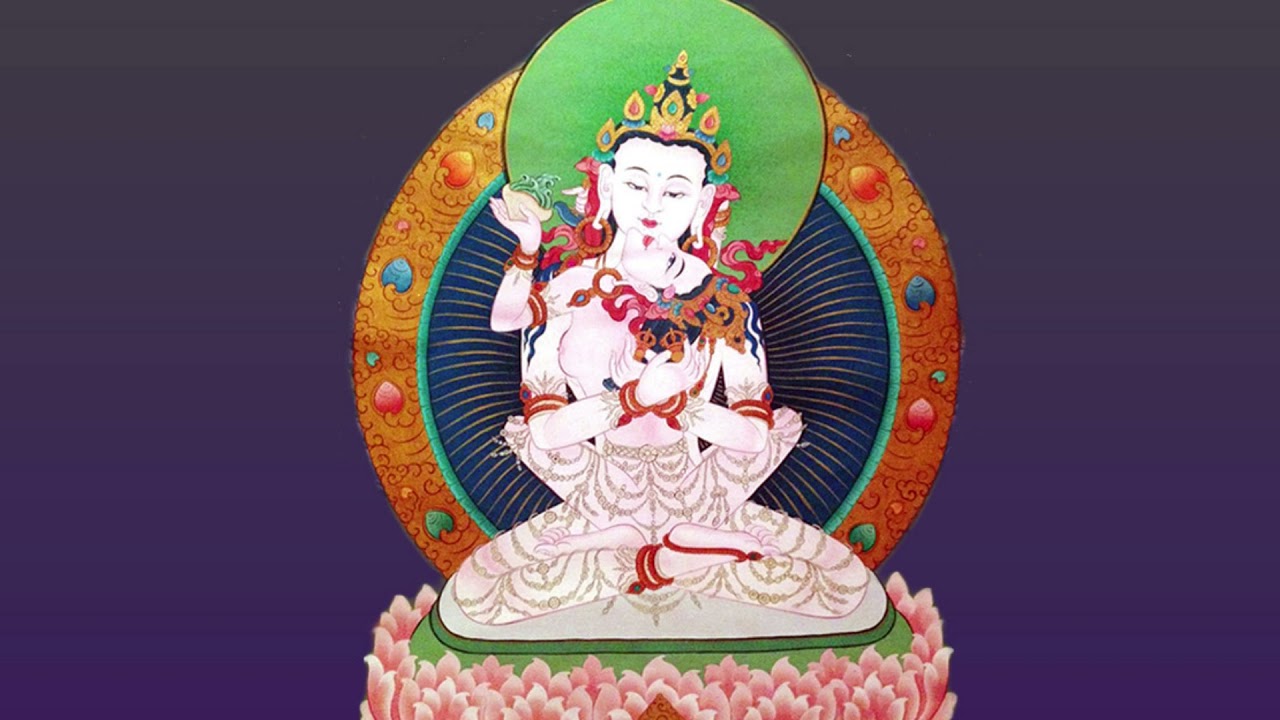
In Tibetan Buddhism, Tara Drolma is not just a deity but a primary pillar of faith, representing the active, swift, and feminine expression of compassion.
This track from the album 'Chants: The Spirit of Tibet ~ Gyuto Monks of Tibet " is a sonic bridge between this ancient spiritual tradition and modern soundscapes.
1. Who is Tara Drolma?
"Tara" is her Sanskrit name, and "Drolma" (or Drölma) is the Tibetan translation. Both mean "The Savioress" or "She Who Liberates."
The Mother of Liberation: She is considered the "Mother of all Buddhas" because she embodies the wisdom that gives birth to enlightenment.
The Feminine Bodhisattva: Legend says Tara was born from a single tear shed by Avalokiteshvara (the Buddha of Compassion) as he wept for the suffering of all beings.
The Vow: According to tradition, Tara was a princess named Yeshe Dawa who was told she should pray to be reborn as a man to reach enlightenment. She famously refused, vowing to always return in a female form to prove that gender is no barrier to awakening.
The Forms: She most commonly appears as Green Tara (representing active protection and swift help) and White Tara (representing health, longevity, and serenity).
2. The Track: "Tara Drolma"
The track "Tara Drolma" appears on the 2013 album Chants: The Spirit of Tibet. This project was a high-profile collaboration between the world-renowned Gyuto Monks and the legendary British producer Youth (Martin Glover), who has worked with acts like Pink Floyd, U2, and The Verve.
Key Elements of the Track:
The Sound: It blends the monks' signature overtone singing (where a single monk produces multiple notes simultaneously) with lush, ambient electronic production. The deep, "chordal" bass of the monks' voices creates a grounding, meditative drone.
The Mantra: The track is centered around the recitation of Tara’s mantra:
“Om Tare Tuttare Ture Soha”
Production Style: Youth used a "3D60" mixing process to create a holographic, immersive audio experience. The goal was to make the listener feel as if they were sitting inside the monastery in Dharamsala where the recordings took place.
The Energy: Unlike some purely traditional ritual recordings, this track is designed to be accessible. It has a rhythmic, "chill-out" vibe that serves as a modern tool for meditation or deep relaxation.
The Meaning of the Mantra within the Song
When you hear the monks chanting “Om Tare Tuttare Ture Soha,” they are invoking specific powers:
Tare: Liberation from physical suffering and the cycle of rebirth.
Tuttare: Liberation from the "eight fears" (pride, ignorance, anger, etc.).
Ture: Liberation from spiritual ignorance and physical illness.
Soha: Establishing these blessings in the heart.
In the track "Tara Drolma" by the Gyuto Monks, the lyrics consist of the primary mantra of Green Tara, followed by traditional Tibetan celebratory phrases.
Because the Gyuto Monks use a unique "chordal" chanting style (producing multiple notes at once), the words can sound like a deep, vibrating hum, but the phonetic transliteration is as follows:
1. The Main Mantra
This is the core of the track, repeated as a rhythmic cycle:
Om Tare Tuttare Ture Soha (Oṃ Tāre Tuttāre Ture Svāhā)
Om: The sound of the universe; the beginning of all mantras.
Tare: To liberate from the cycle of suffering (Samsara).
Tuttare: To liberate from the eight external and internal fears.
Ture: To liberate from spiritual ignorance and physical illness.
Soha: "May the meaning of the mantra take root in my heart."
2. The Traditional Invocation
Throughout the song, the monks also chant traditional Tibetan lines of praise to Tara (Drolma). The most common transliteration for the opening of these praises is:
Om! Jé-tsün-ma Phag-ma Dröl-ma la chhag-tshäl-lo
Translation:
Jé-tsün-ma: Most Venerable / Holy Mother.
Phag-ma: Noble / Exalted.
Dröl-ma: Tara (The Liberator).
La chhag-tshäl-lo: I prostrate / I bow down to you.
3. Understanding the Sound
If you are listening to the album Chants: The Spirit of Tibet, you’ll notice the production (by Youth) places these traditional chants over an electronic pulse. The monks aren't just "singing" lyrics; they are performing a meditation. In the Gyuto tradition, the sound itself—the physical vibration of the vocal cords—is considered a vehicle for transforming the mind.
The "Eight Fears" Tara Protects Against
Since the track is an invocation for protection, it’s helpful to know what the monks are traditionally "clearing" with these words:
Lions (Pride)
Wild Elephants (Ignorance/Delusion)
Forest Fires (Hatred/Anger)
Snakes (Jealousy)
Robbers (Wrong views/Fanaticism)
Prisons (Avarice/Greed)
Floods (Desire/Attachment)
Demons (Doubt/Confusion)
~
May all be liberated.
Повторяем попытку...

Доступные форматы для скачивания:
Скачать видео
-
Информация по загрузке: