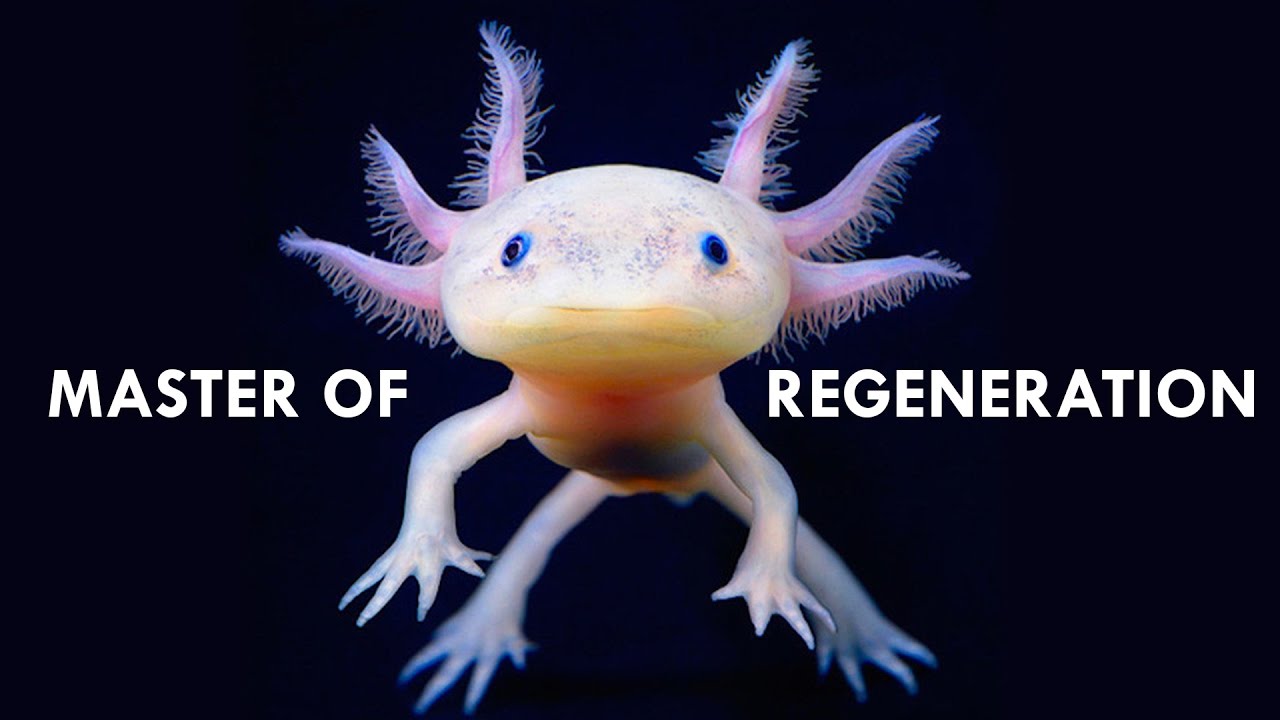
Axolotl Regeneration: The Secrets of Biological Time Reversal
Автор: AI Labs: Exploratory Science and Paradoxes
Загружено: 2025-02-06
Просмотров: 703
Описание:
Axolotl Regeneration: Unlocking the Secrets of Biological Time Reversal
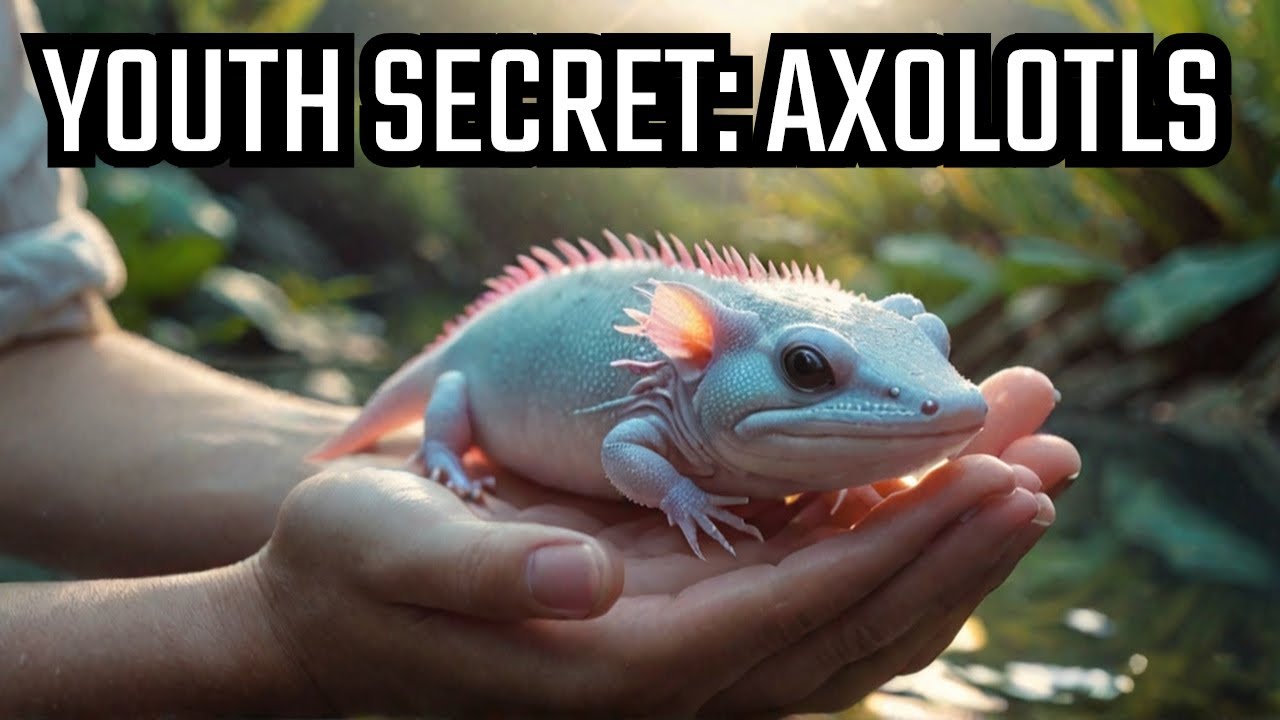
The axolotl, a fascinating amphibian native to Mexico, possesses extraordinary regenerative abilities, capable of restoring entire limbs, spinal cords, heart tissue, and even parts of its brain. Unlike humans, who heal with scar tissue, axolotls rewind their biological clock, forming a blastema — a cluster of undifferentiated cells that regrow complex structures. Could this ability unlock the secrets of human limb regeneration, spinal repair, and even anti-aging medicine?
#Regeneration #Axolotl #StemCells #BiologicalTime #GeneticEngineering #Neuroscience
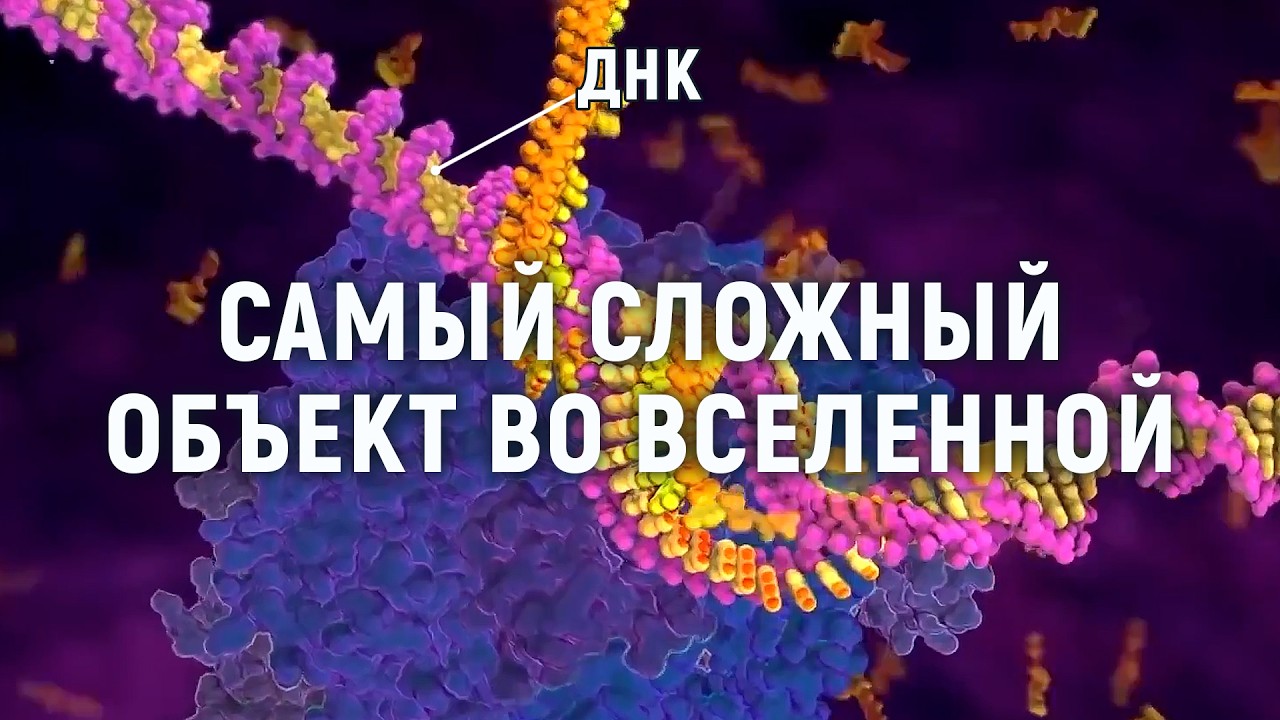
Scientists have identified genes responsible for regeneration, which exist in humans but remain inactive. By studying axolotl molecular signaling pathways (such as Wnt, BMP, and FGF), researchers hope to activate similar mechanisms in mammals. Could gene editing (CRISPR), stem cell therapy, or bioelectric signaling bring axolotl-like regeneration to human medicine?
Key Points:
🧬 Blastema Formation – Axolotls create a mass of undifferentiated cells that revert to an embryonic-like state, allowing complete tissue regrowth.
🦴 Limb & Spinal Cord Regeneration – Unlike humans, axolotls restore limbs with full functionality, including nerves, muscles, and bones.
🧠 Brain Regeneration & Memory – Axolotls regrow brain tissue without losing past memories, raising questions about neural plasticity and consciousness.
🕰️ Rewinding Cellular Time – Axolotl cells naturally reset themselves to a primitive state, challenging our understanding of aging and biological time.
🔬 Implications for Human Medicine – Could gene activation, bioelectric cues, or molecular therapies allow humans to regenerate organs or reverse degenerative diseases?
Context Timeline:
00:00 - Introduction to Axolotl Regeneration
02:10 - How Axolotls Regrow Limbs & Organs
05:45 - The Role of Blastema in Tissue Regeneration
08:20 - Brain Regeneration & Memory Retention
11:30 - Cellular Time Reversal & Epigenetic Control
14:10 - Can Humans Unlock Axolotl-like Regeneration?
🔍 Could axolotl regeneration revolutionize medicine? What challenges must be overcome to bring this biological superpower to human healthcare? 🚀 Watch now to explore the future of regenerative medicine!
Do Axolotls Age?
Unlike most mammals, axolotls do not accumulate significant cellular damage over time due to their enhanced DNA repair and regeneration abilities.
Their telomeres (the protective ends of chromosomes) do not shorten as rapidly as in humans, which helps delay aging.
They can regenerate major organs and even parts of their brain, avoiding age-related tissue degeneration.
Can Axolotls Live Forever?
In theory, no. While they resist aging-related decline, they are still susceptible to diseases, environmental stress, and genetic mutations that can shorten their lifespan.
In the wild, they face predation, pollution, and habitat destruction, which significantly reduce their lifespan.
In captivity, with optimal care, they can live well beyond their expected lifespan, but they are not truly immortal.
Why Are They So Resilient?
Axolotls can revert their cells to a youthful, undifferentiated state, essentially "resetting" their biological clock when regenerating tissues.
Their epigenetic regulation allows them to maintain their regenerative abilities throughout life, unlike mammals, which lose this capacity after early development.
Bioelectric signaling plays a role in guiding cell growth and tissue repair, possibly influencing their ability to resist aging.
Conclusion
While axolotls age at an extremely slow rate and possess remarkable regenerative capabilities, they are not truly immortal. They still experience genetic mutations, environmental stressors, and diseases, which eventually lead to death. However, their unique biology makes them one of the closest examples of biological time reversal in nature. Axolotls exhibit negligible senescence, meaning they do not show typical signs of aging like humans and many other animals. Their high regenerative capacity, efficient cellular repair mechanisms, and ability to replace damaged tissues continuously contribute to their long lifespan in captivity (10–15 years, sometimes longer). However, this does not mean they are biologically immortal.
Повторяем попытку...
Доступные форматы для скачивания:
Скачать видео
-
Информация по загрузке: