Psychology of People Who Rewatch TV Shows and Movies
Автор: ThoughtRoom
Загружено: 2026-01-20
Просмотров: 37
Описание:
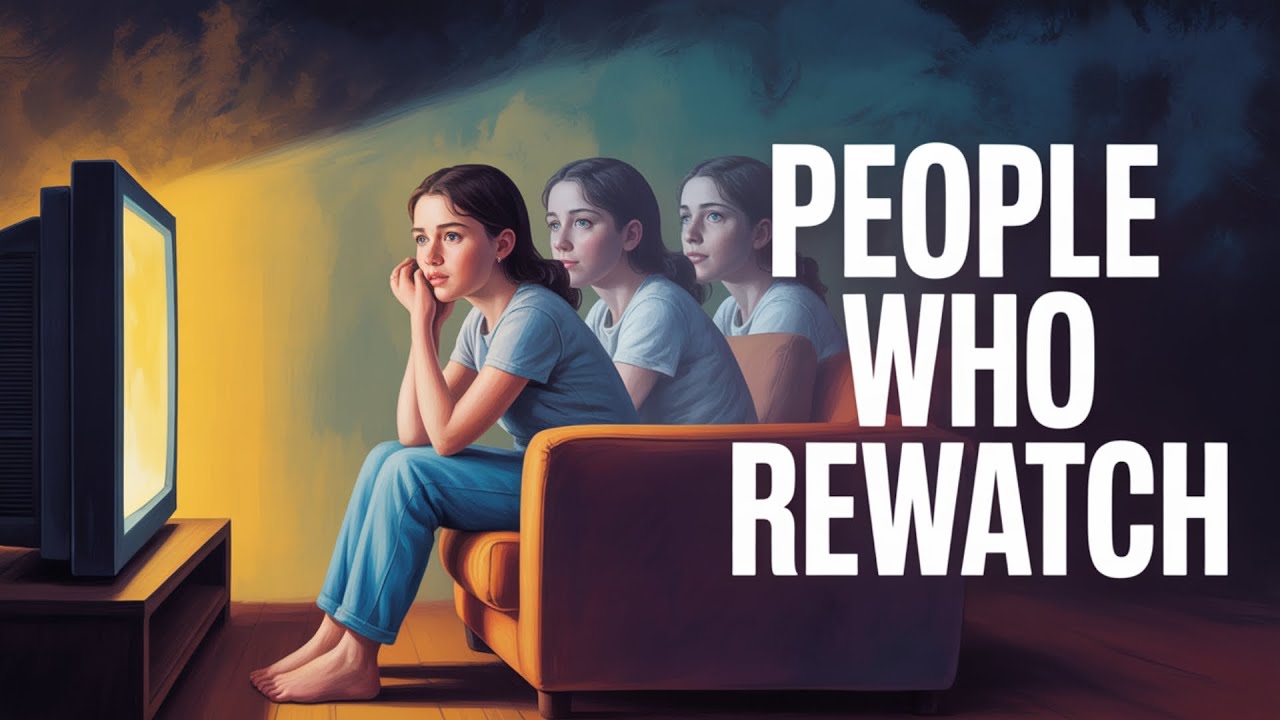
Psychology of People Who Rewatch TV Shows and Movies
Ever wondered why you keep watching the same TV shows and movies again and again? Even when there are thousands of new options waiting?
In this video, we explore the psychology behind rewatching familiar shows and movies. From comfort and predictability to emotional regulation and decision fatigue, there’s a powerful psychological reason your brain prefers familiar stories over new ones.
Rewatching isn’t laziness. It’s not fear of change. It’s your mind choosing safety, emotional balance, and familiarity in a world that feels overwhelming and unpredictable.
If you’ve ever felt judged for rewatching the same show, this video will help you understand why that habit exists—and why it might actually be healthy.
Watch till the end, because the final insight might explain more about you than you expect.
🔑 Clickable Topics:
Psychology of rewatching shows
Why people rewatch movies
Comfort shows psychology
Psychology facts about habits
Why we rewatch the same shows
Emotional comfort psychology
Human behavior psychology
Brain and familiarity
Psychology explained simply
Mental health habits
⏱️ VIDEOS TIMESTAMPS:
0:00 – Why You Keep Watching the Same Shows
0:30 – Familiarity Feels Safe to the Brain
1:30 – The Psychology of Comfort & Repetition
2:30 – Why Rewatching Feels Effortless
3:30 – Why the Same Show Feels Different Over Time
4:30 – Nostalgia and Emotional Memory
5:30 – Decision Fatigue & Mental Exhaustion
6:30 – Rewatching as Emotional Regulation
7:30 – The Hidden Meaning Behind Comfort Shows
8:00 – Why This Habit Says More About You Than You Think
🧠 References & Main Research Studies (Script‑Ready)
1. Russell, C. A. & Levy, S. J. (2012) – Temporal and focal dynamics of volitional reconsumption: A phenomenological investigation of repeated hedonic experiences
Published in: Journal of Consumer Research
This research examined how people emotionally engage with familiar media by comparing rewatching familiar films vs watching unfamiliar ones. It found that familiar content requires less mental effort and offers a sense of comfort and predictability, making repeated watching more relaxing and enjoyable.
2. Zajonc, R. B. (1968) – Attitudinal effects of mere exposure
Published in: Journal of Personality and Social Psychology
Robert Zajonc’s foundational work on the mere exposure effect showed that repeated exposure to a stimulus increases people’s preference for it — even without conscious awareness. This principle helps explain why familiar shows feel more comforting and preferred over new ones.
3. Palumbo, R., Di Domenico, A., Fairfield, B., & Mammarella, N. (2021) – When twice is better than once: increased liking of repeated items influences memory in younger and older adults
Published in: BMC Psychology
This study found that repeated exposure to stimuli increases positive affect — people tend to like things more after repeated exposure. This contributes to how familiarity influences emotional responses toward repeated media consumption.
4. Zhang, X., Zhang, X. & Yu, X. (2023) – Behavioral intention of repeated watching and personality traits: Testing mediation model of nostalgia arousal and social connectedness
Published in: Psychology Research and Behavior Management
This research investigated how nostalgia and social connectedness influence repeated watching behavior, showing that emotional memory and connections to past experiences motivate people to rewatch familiar media.
5. Zajonc et al. research on familiarity and affect – Various experiments demonstrating familiarity increases positive emotional response across stimuli such as words, faces, and images
Zajonc’s broader body of work across experiments found that repeated exposure leads to increased liking and familiarity — this is the core psychological mechanism underlying rewatching habits.
6. Mere Exposure Effect Meta‑Analysis (2017) – Repeated exposure influences recognition, familiarity, and liking
Meta‑analysis reviewing evidence that repeated exposure makes stimuli more familiar and likable, supporting the idea that we prefer familiar content because the brain processes it more fluently.
#Psychology
#HumanBehavior
#PsychologyFacts
#MindScience
#BrainHacks
#EmotionalHealth
#MentalHealthTips
Повторяем попытку...

Доступные форматы для скачивания:
Скачать видео
-
Информация по загрузке: