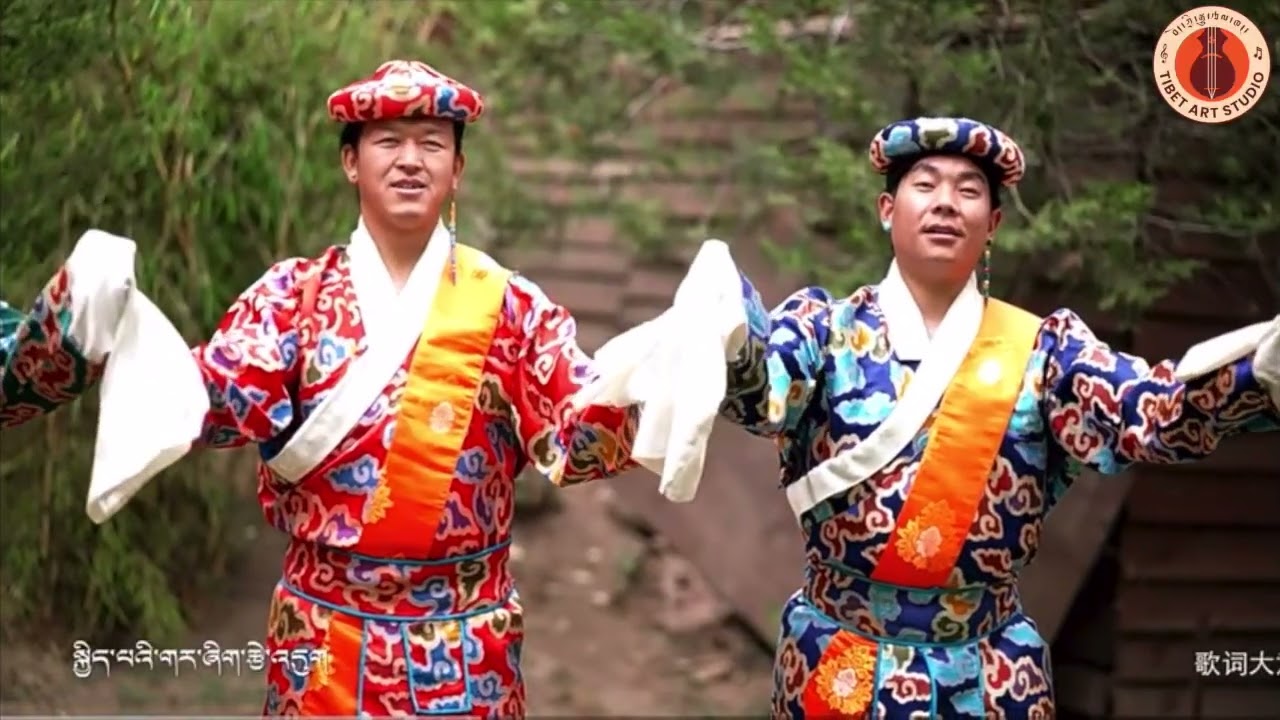
གར་དང་གར་གླུ། Gar & Garlu, Tibetan ancient Court Dance & songs
Автор: Tsering Dorjee (Tsering Bawa)
Загружено: 2025-11-11
Просмотров: 2763
Описание:
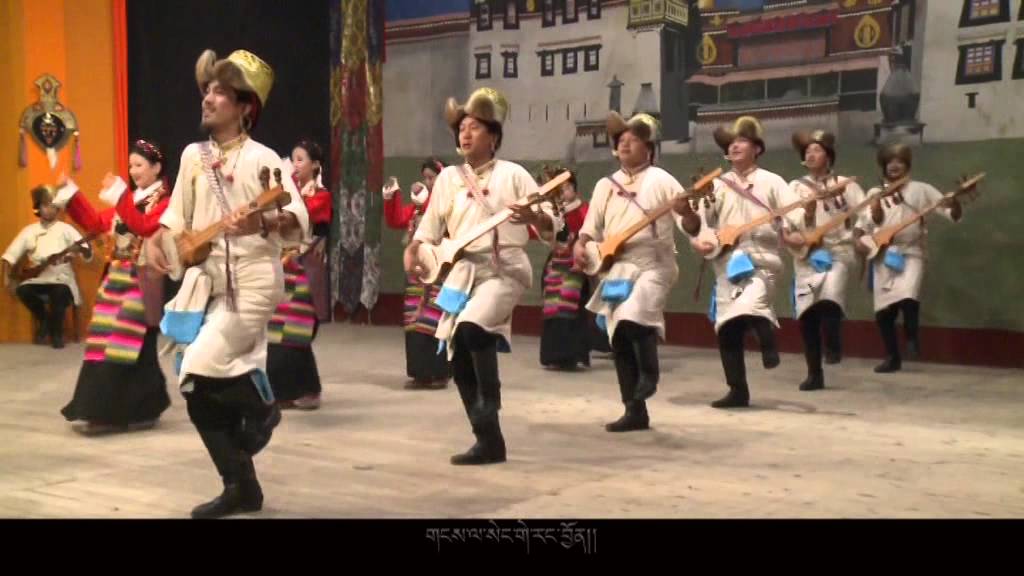
Gar and Shon: Ancient Tibetan Song and Dance Traditions
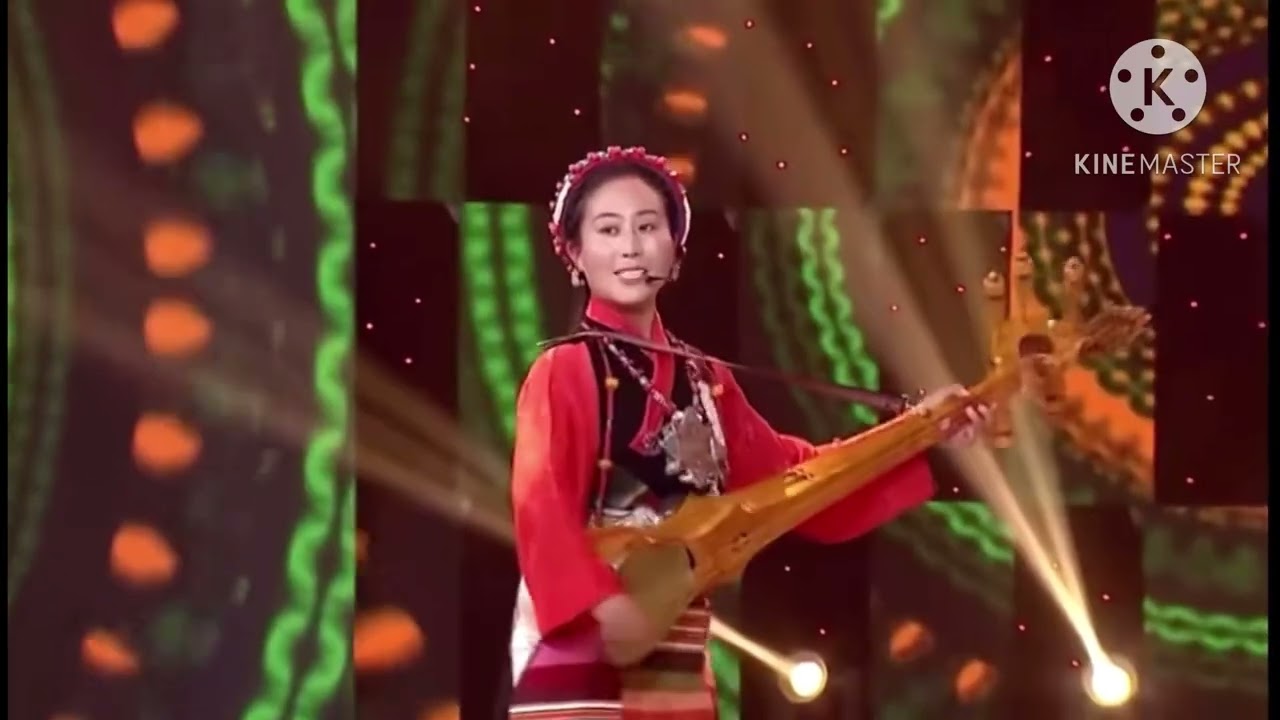
Gar and Shon are among the oldest forms of Tibetan music and dance. The Gar dance is traditionally accompanied by instruments such as male- and female-toned drums and wind instruments resembling trumpets, known as Suna. The Shon performances are accompanied by string instruments like the Dranyen (Tibetan lute), Piwang (fiddle), flute, and Gyuemang (Tibetan hammer dulcimer).
This art form has a history of more than 3,000 years, originating during the Bon religion era, long before the spread of Buddhism in Tibet. In ancient times, Gar and Shon were performed by the public to honor Kings, village chiefs, religious leaders and respected familiesNd friends.
During the 7th century, under the 33rd King of Tibet, Songtsen Gampo, the Potala Palace was built, and paintings depicting Gar and Shon were included on its walls. Later, in the time of the 5th Dalai Lama, the art form was revived with the help of experts invited from the Ngari and Baltistan regions (today part of Pakistan and Ladakh).
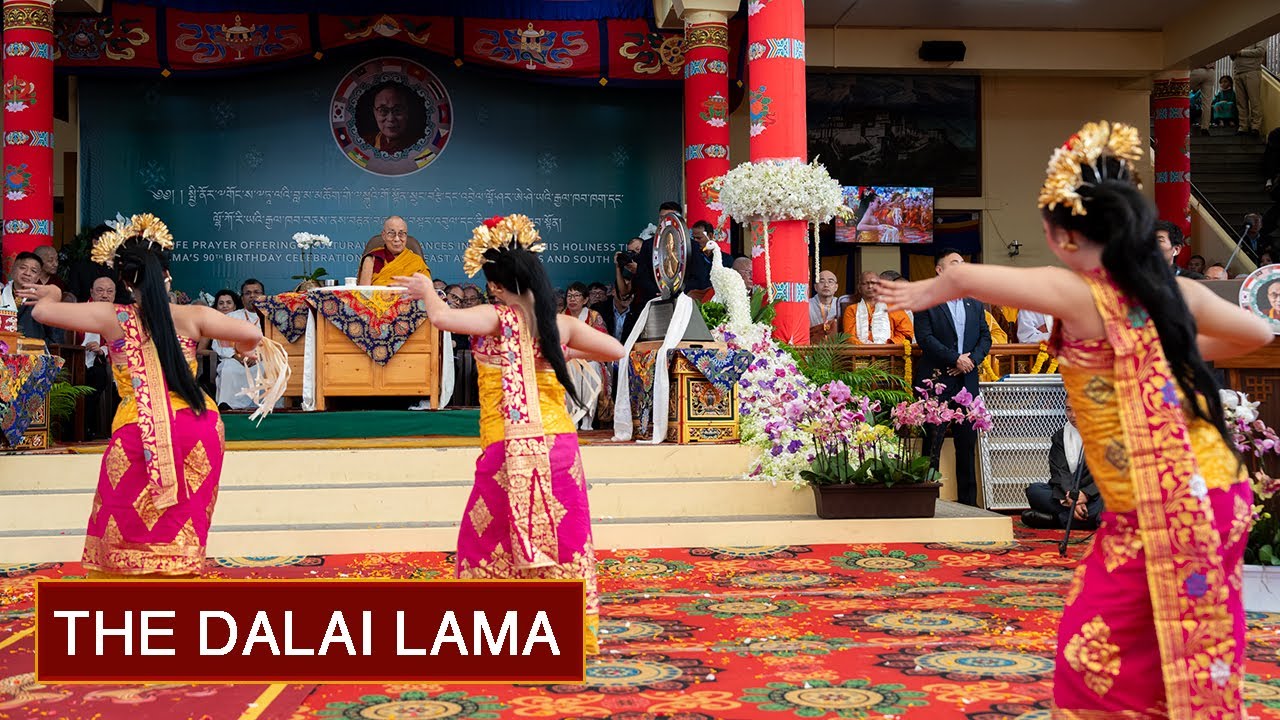
Since then, Gar and Gharlu have been performed every year for His Holiness the Dalai Lama on the first day of the Tibetan New Year, known as Losar. These performances also take place during ceremonies for kings, leaders, and various formal and informal occasions.
Passang Dhondup-la was appointed as the first Garpon (Master of Gar) by the 13th Dalai Lama.
He visited India in 1984 and 1998, where he taught several of these traditional art forms to artists of the Tibetan Institute of Performing Arts (TIPA).
After China occupied Tibet in 1959, performances of Gar and Shon were banned by the Chinese Communist government. Today, in Tibet, the art survives mainly as stage performances.
However, in exile communities, Gar and Shon continue to be peeserved and performed for His Holiness the Dalai Lama on Losar and other special occasions, preserving this ancient and sacred tradition.
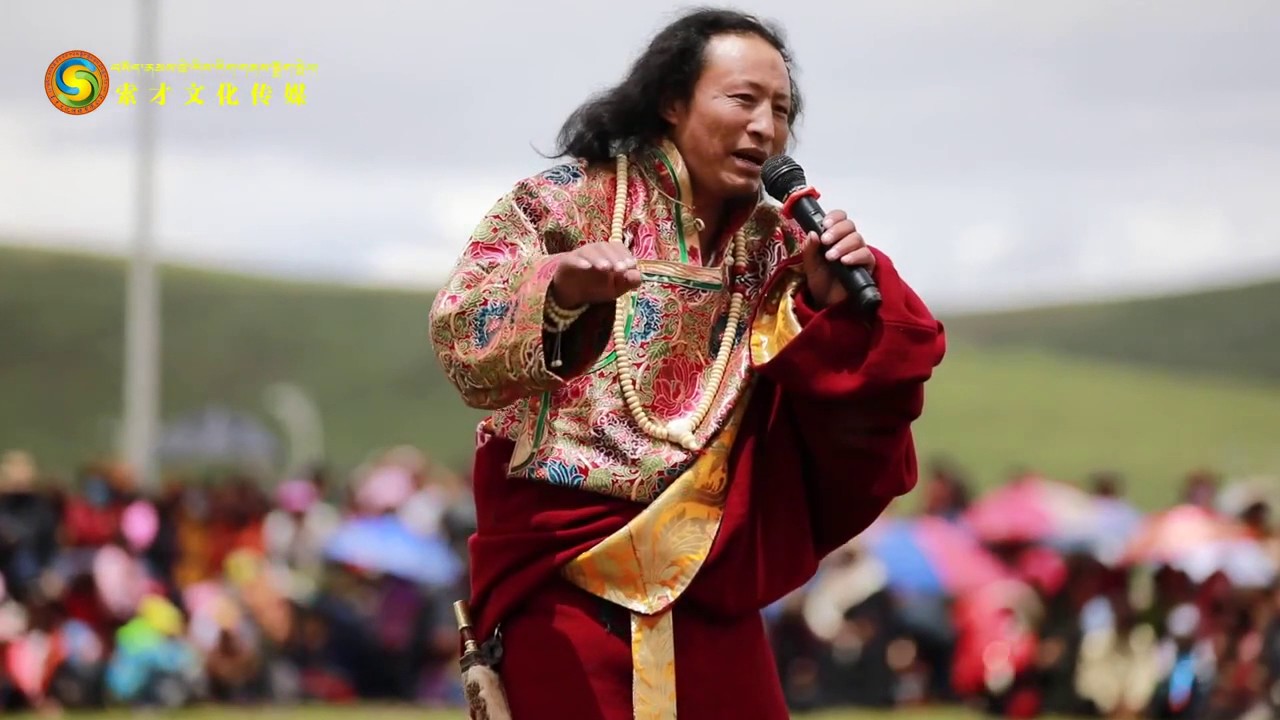
The performers mentioned above are artists from Tibet.
Review by Tsering D.Bawa
Повторяем попытку...
Доступные форматы для скачивания:
Скачать видео
-
Информация по загрузке: