Bee waggle dance: BYU computer scientists decode bee communication
Автор: Brigham Young University
Загружено: 2023-07-20
Просмотров: 15286
Описание:
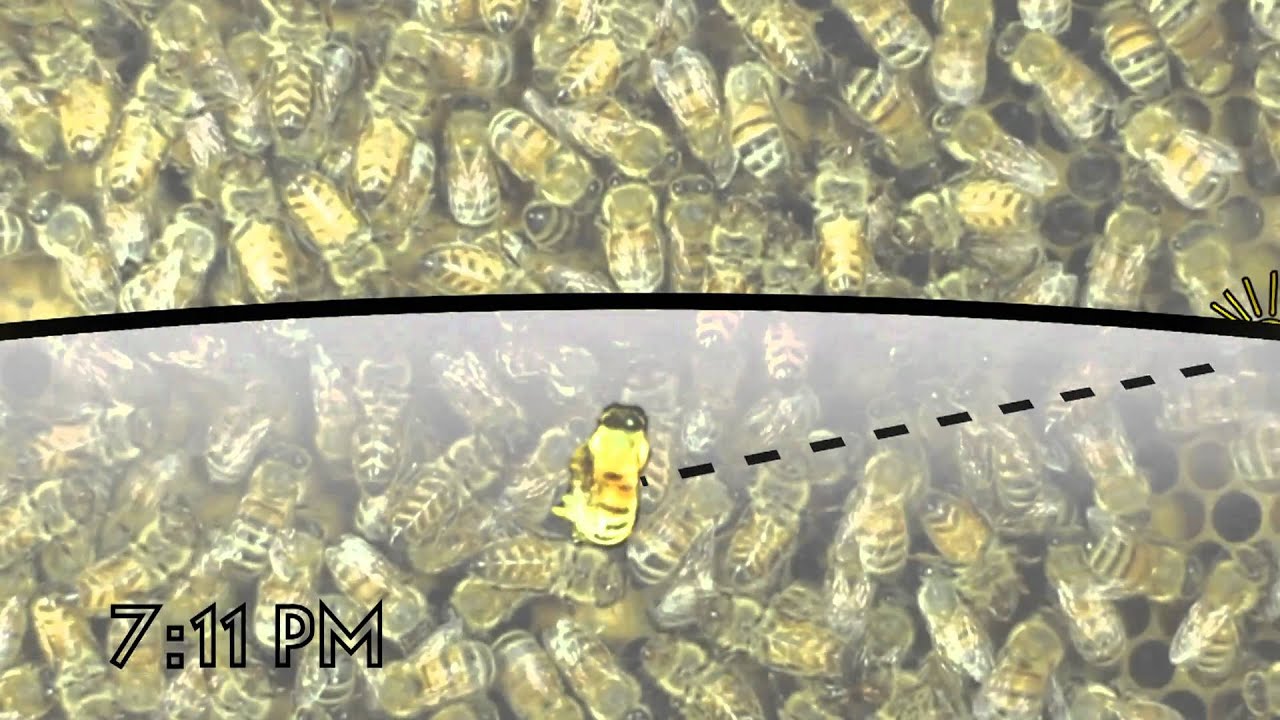
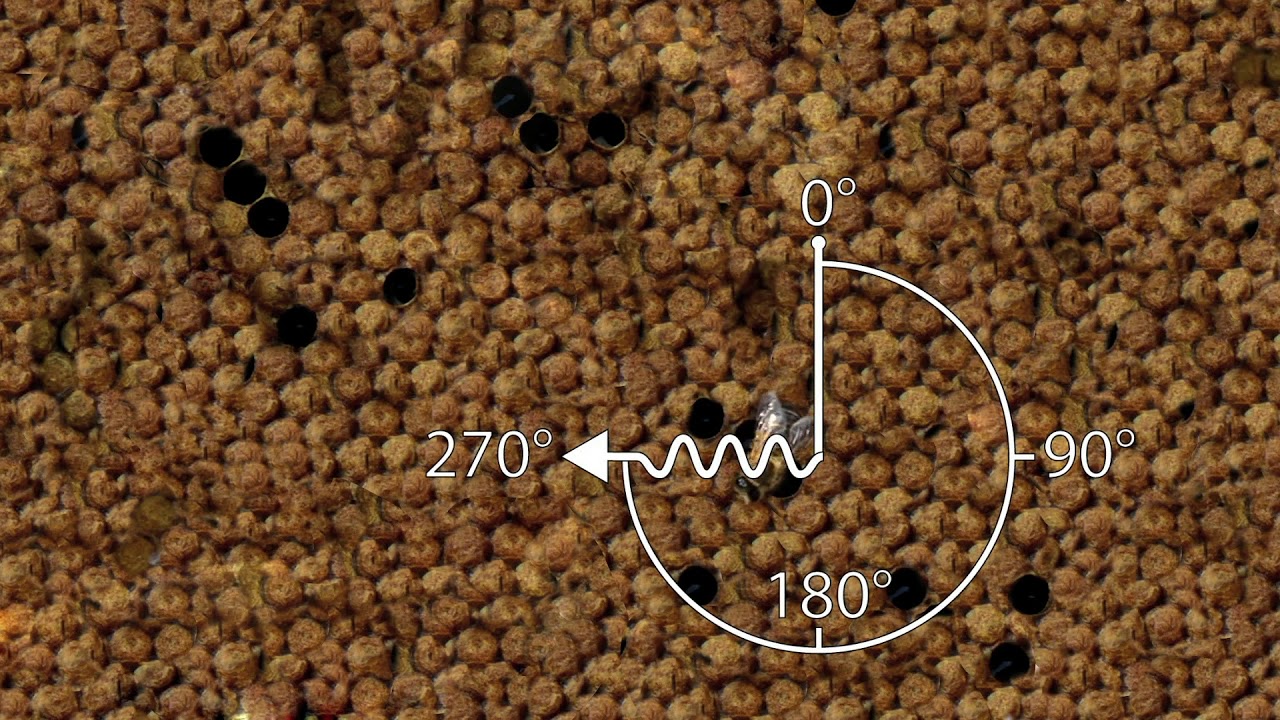
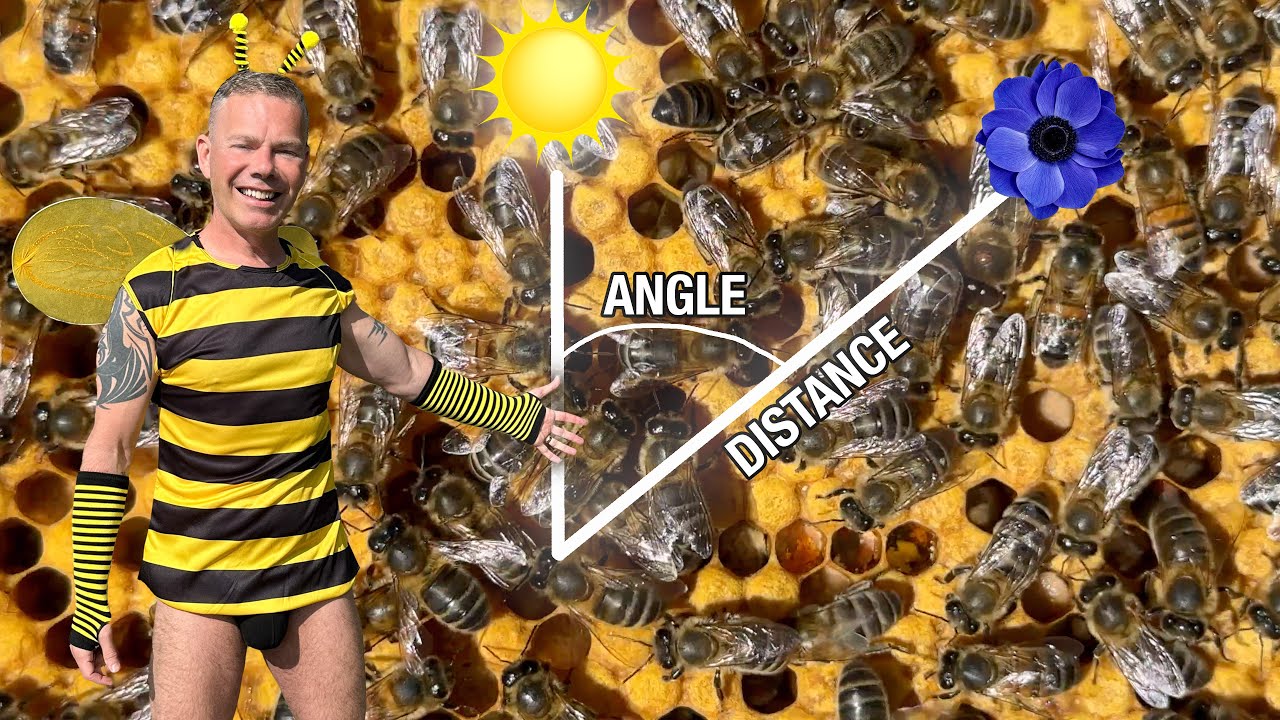
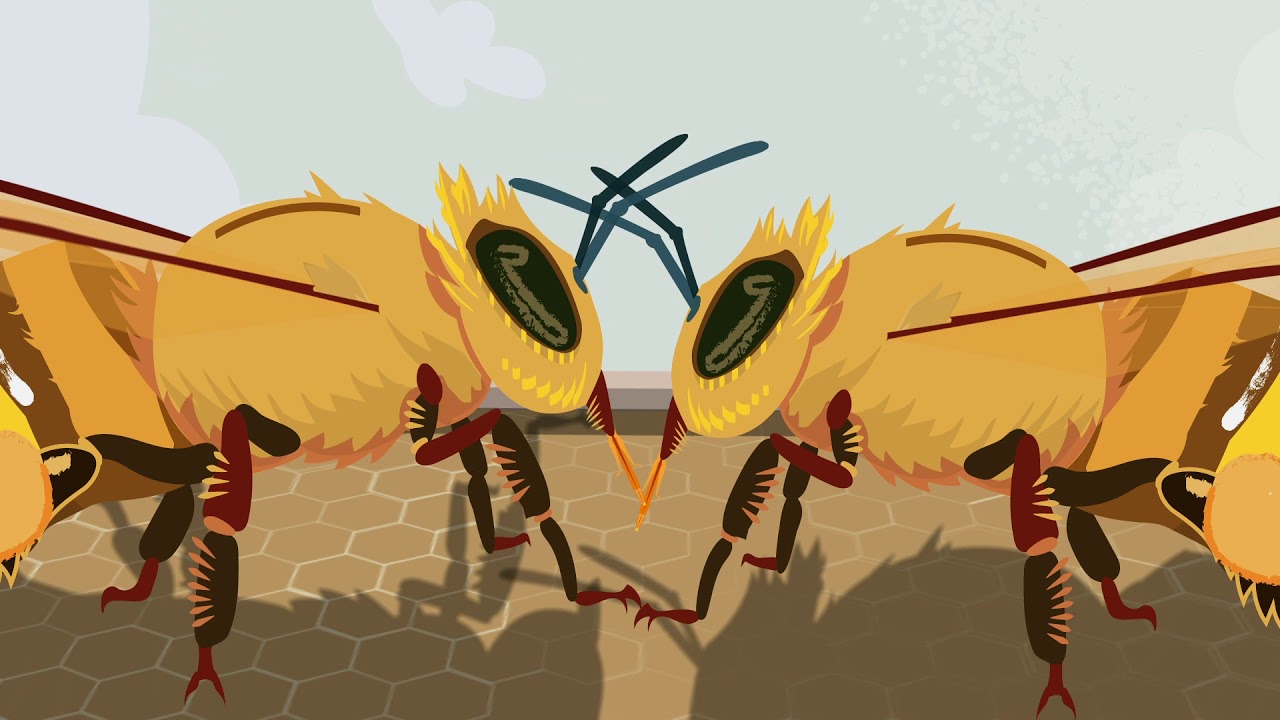
BYU computer scientists are using artificial intelligence to decode the bee "waggle dance," to not only learn how bees communicate but also to talk back to them. When a bee enters a hive after foraging, it performs a very precise waggle dance to show enthusiasm for a food source and, with the precision of GPS, how other bees can find the best nectar. In the future, the BYU team hopes to build an artificial bee that will communicate and direct bees in a hive to specific places, which would be useful in commercial agriculture.
Video produced by BYU Video (Julie Walker, Adam Sanders, Matt Mitchell, Barret Schoenrock)
More from BYU News (writer Tyler Stahle)
Buzzworthy breakthrough: BYU students utilize technology to decipher the ‘language of the bees’
Over 120 languages are spoken on the BYU campus, and it might BEE time to add one more: the bee waggle language.
For years, scientists have buzzed about the bee waggle – the groovy dance honeybees do by shaking their abdomen upon returning to the hive. This waggle tells other bees where to fly to find delicious nectar. Now, a team of BYU computer science students is abuzz to decode the secret language of the hive. Armed with a hum-dinger of a research project and cutting-edge technology, these students are translating the bee waggle in real time.
“Bees will do this dance on a vertical surface and they’ll kind of waggle or shake in a line, and the angle of that line has to do with the angle of the sun that the bees need to fly from the hive to go to the food source,” said BYU computer science professor and project advisor Sean Warnick. “There’s a surprising amount of sophistication going on between these creatures that we just think of as insects.”
The project team, comprised of students across disciplines such as computer science and business, are creating a computer program that tracks bee waggles and interprets them in real time on a computer screen. To capture the waggle dances, students constructed an observation hive with plexiglass siding in the BYU greenhouse. A camera records the waggle dances, and algorithms created by the students measure, annotate, and interpret the movements.
While the project may sound un-bee-lievable, the students themselves admit that they’re learning more about bees than they ever anticipated. Nonetheless, they find inspiration in seeing the practical application of their classroom knowledge in real-world situations.
“As a computer scientist I definitely spend a lot of time staring at screens and data, but it’s been really cool to go out and actually work with the bees,” says Caelen Miller, a BYU computer science student working on the project. “I want to have it as a hobby for the rest of my life and honestly I’d love to keep studying them because they’re fascinating creatures.”
Because of BYU’s unique emphasis on undergraduate research, Warnick says he’s excited about the future application of this research and he’s impressed by the level of care BYU students bring to the project.
“Students here at BYU tend to be very focused on doing good in the world and building something amazing. They care very much about the way they’re going to use their education,” he said.
The lasting impact of the project could be far-reaching, especially for the agriculture industry, which relies on efficient pollination. With the ability to better understand and interpret bee
waggle communications, farmers may optimize pollination strategies and plan more systematically, ultimately enhancing agricultural productivity and ecosystem health.
Повторяем попытку...
Доступные форматы для скачивания:
Скачать видео
-
Информация по загрузке: