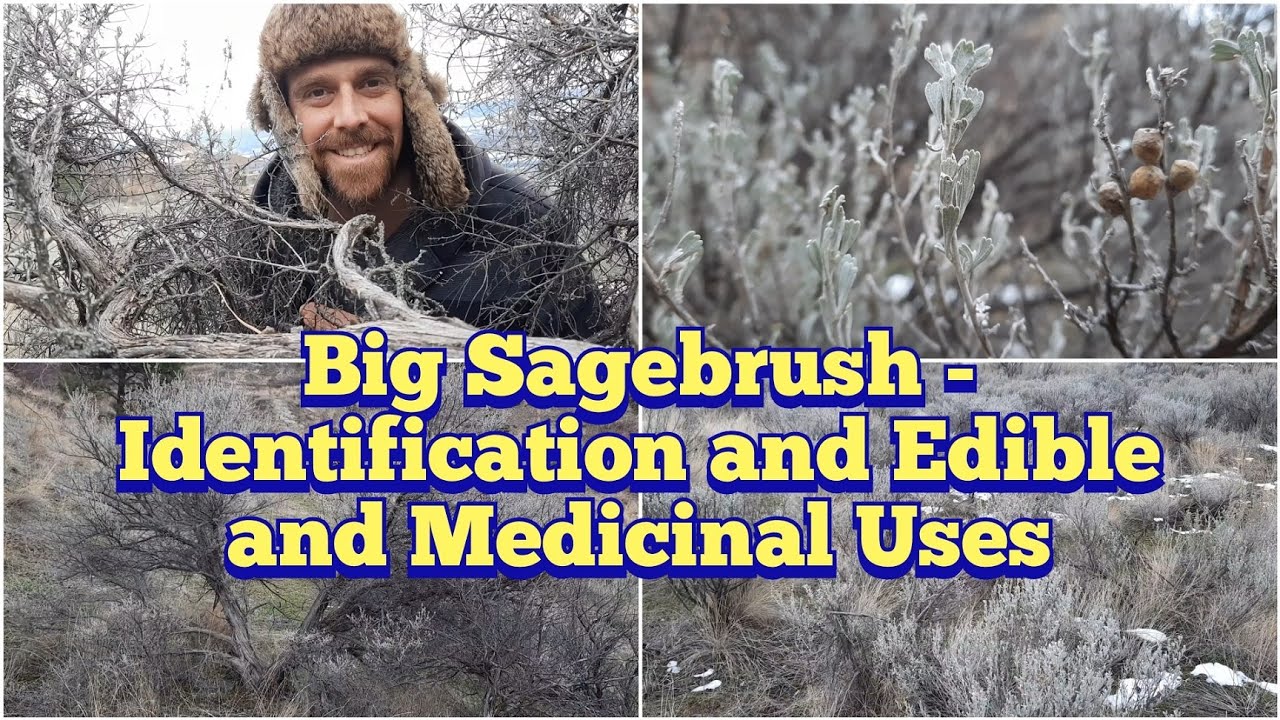
Big Sagebrush - Identification, Description and Some Edible and Medicinal Uses
Автор: Okanagan Gardener and Forager
Загружено: 2021-12-30
Просмотров: 5117
Описание:
Big Sagebrush - Artemisia tridentata
In this video I identify and describe Desert Sagebrush which can be found throughout western North America and has edible and medicinal uses. It is called sagebrush, but it is not actually from the salvia or culinary sages family. Big Sagebrush is a plant that can be considered edible and medicinal, and you can forage for parts of it from Spring right through winter.
Distribution
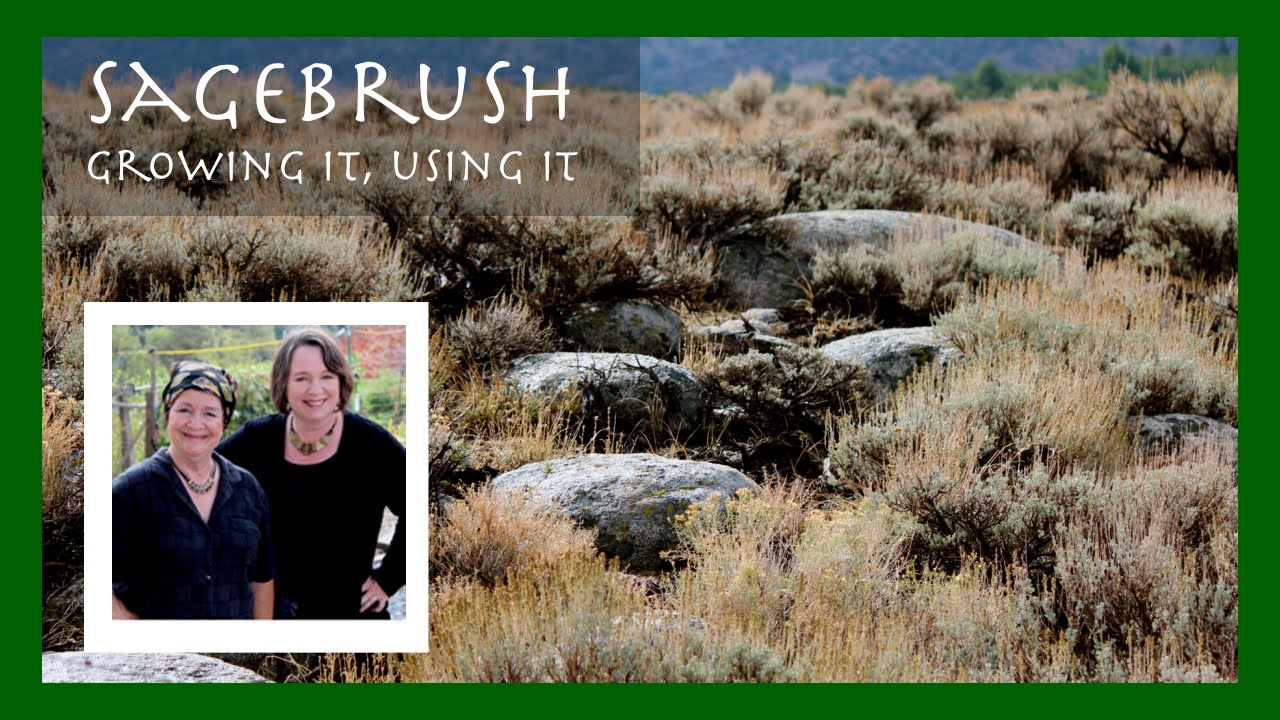
Big sagebrush is found throughout western North America. This shrub can be found from low to high elevations, valley bottoms, rocky slopes, in dry lands and prairies.
Identification
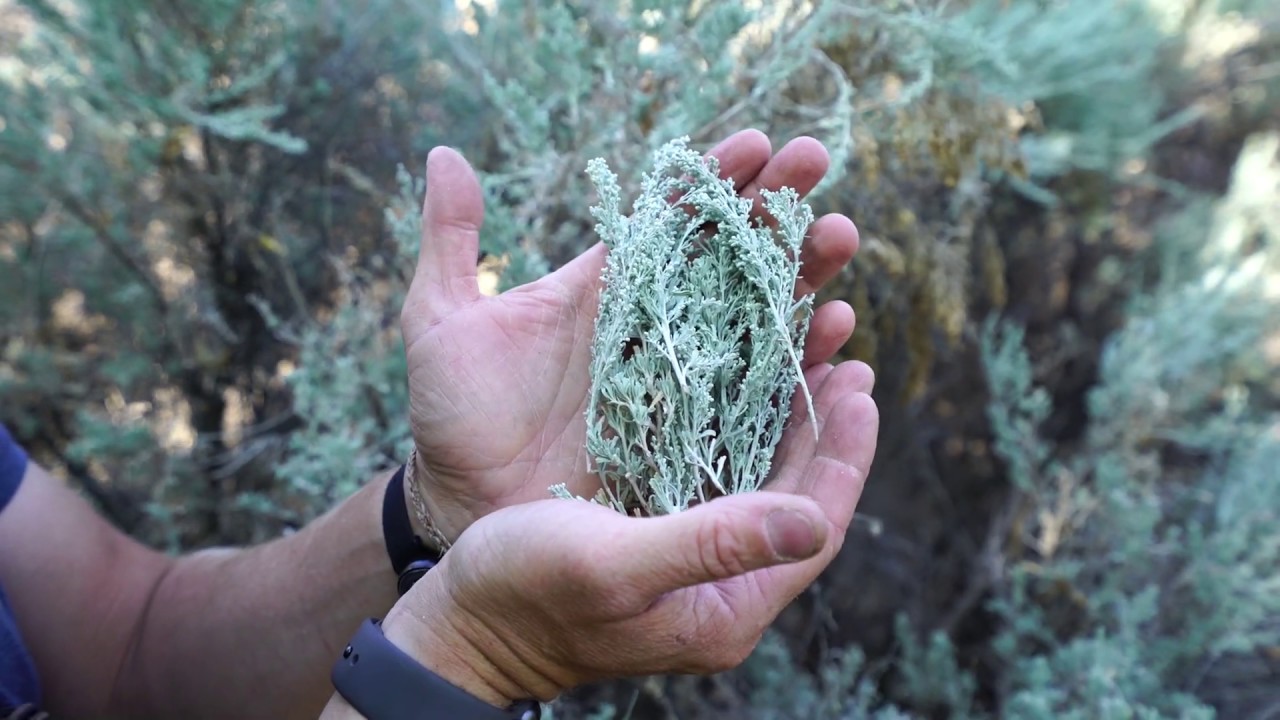
Big sagebrush grows up to 6.5 feet in height. They are greyish green aromatic shrubs with leaves that are 1-3 cm long with wedge-shaped 3 pointed tips. There are tiny hairs that cover the leaves and branches of new growth. On older plants the bark start to peel away in long strands.
Edible
The bitter seeds were used as food by some people. Sometimes they were eaten raw of dried but usually were ground into meal and cooked into things like soups and stews.
Medicinal
Leaves chewed, swallowed or boiled to make tea were used for stomachaches, coughing, and to get out intestinal parasites. Small amounts of a hot infusion made from the leaves has been used to promote sweating to aid the body's recovery from colds and flues and to clear mucus from the lungs.
Some sources say this plant should only be used externally. Some external uses include rubbing oil made from the leaves on the chest or inhaling steam to clear congestion in the lungs and speed healing of respiratory infection. A hot poultice can be used for inflamed joints and a salve can be applied to bacterial and fungal infections or for sprains and strains.
The burned wood and smoke from green leafy branches has been used as a ceremonial smudge to cleanse participants of evil spirits and impurities.
Warning! Do not use during pregnancy or for extended periods of time. Many people are allergic. In rare cases it causes inflammation when applied to the skin. Some people classify this plant as toxic reporting it can damage the liver and intestinal tract. This leads to a recommendation by some that this plant should only be used externally.
Here's my Facebook page
/ okanagangardenerandforager
Here is my Instagram page
/ okanagan_gardenerandforager
Please consume wild plants at your own risk! Consult multiple reliable sources before consuming any wild plants! This video is for information and entertainment only!
References
Kloos, Scott. Pacific Northwest Medicinal Plants. Timber Press, Inc. 2017
MacKinnon, A. Edible and Medicinal Plants of Canada. Lone Pine Media Productions (BC) Ltd. 2014.
Parish, R.; Coupe, R.; and Lloyd, D. Plants of the Inland Northwest and Southern Interior British Columbia. BC Ministry of Forests and Lone Pine Publishing. 2018
Turner, N. J. Food Plants of Interior First Peoples. Royal BC Museum. 2014
Повторяем попытку...
Доступные форматы для скачивания:
Скачать видео
-
Информация по загрузке: