What is a VSD?
Автор: York Cardiology
Загружено: 2019-11-15
Просмотров: 5807
Описание:
Introduction
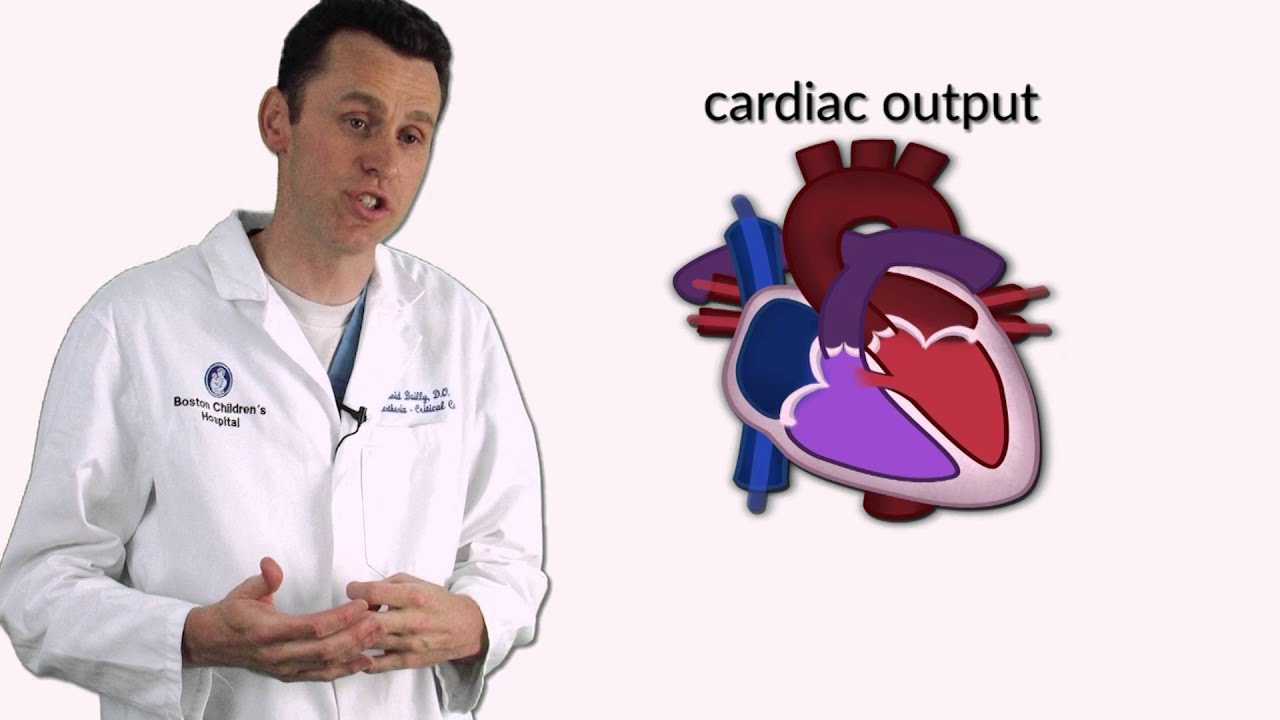
This is a common type of ‘hole in the heart’ where there is a communication between the left and the right ventricle through the ventricular septum. VSDs may be congenital (meaning that the patient is born with it) or acquired (meaning that the patient develops it later on in life due to some damage to the heart)
VSDs can be of various sizes and may be present in different locations within the ventricular septum and may be single or multiple in the same patient.
The size of the hole is the most important determinant of what it means for the patient to have a VSD because the fundamental problem with a VSD is that instead of all the blood being pumped from the left heart into the body, a portion (proportional to the size of the hole) will instead leak through the hole into the right heart. There are many problems that may result as a consequence.
Firstly less blood is effectively being pumped out of the heart and into the body. This means that the kidneys will sense a reduction in the amount of blood that they are receiving and start absorbing more water and producing more concentrated urine to replenish the circulating blood volume. This then means that the left ventricle has to contain more blood which means that potentially more blood could leak through the VSD and less blood again gets to the kidneys and therefore a vicious cycle can develop. This is why VSDs are a cause of progressive volume overload. To adapt to this increased volume, the heart has to stretch and whilst initially the increased stretch helps the heart to contract with more vigour, eventually uncheckered stretching causes the left heart to stretch to the point that it starts weakening.
Secondly, most of the leaking through the hole occurs when both ventricles are contracting so the leaked blood tends to pushed straight into the pulmonary blood vessels rather than the right ventricle as such. This means that a significantly larger volume of blood is being pushed into the pulmonary vessels which are not used to this. This can over a number of years increase wear and tear of these vessels and trigger a condition called pulmonary arterial hypertension. Sometimes the pressure in the right heart can go up to the extent that they can become higher than the pressures in the left side and this can then lead to reversal of the shunt which means that the blood starts travelling from the right side through the hole into the left side bypassing the lungs. This means that there is now a lot less oxygen in the body and often the patients starts looking blue. This is known as Eisenmengers which is an exceptionally dangerous condition.
Thirdly, the hole is sometimes located near the aortic valve. As the blood gushes through the hole, it can exert a sucking or venturi effect on the aortic valve leaflets and can cause the valve to start leaking and this will make everything worse
Finally, the hole can get infected by bugs and this condition is known as endocarditis. This is also a potentially very dangerous condition because the bugs can be extremely difficult to clear even with prolonged (up to 6 weeks) of intravenous antibiotics.
How is VSD diagnosed:
The definitive diagnosis is made by an echocardiogram (ultrasound of the heart). This will usually identify the location of the hole, will help quantify the size and also whether the ventricles are bcoming stretched and weak. In addition, you can also get an assessment of the pulmonary artery pressures, look at the aortic valve and in the patient with suspected endocarditis, you may be able to identify little clumps (otherwise known as vegetations) of infection on the VSD
So i hope you found this useful and if you feel that this video could benefit someone, please consider sharing
Повторяем попытку...

Доступные форматы для скачивания:
Скачать видео
-
Информация по загрузке: