Prehistoric Stone Technology: Part 2
Автор: Brian Hayden
Загружено: 2022-10-19
Просмотров: 323
Описание:
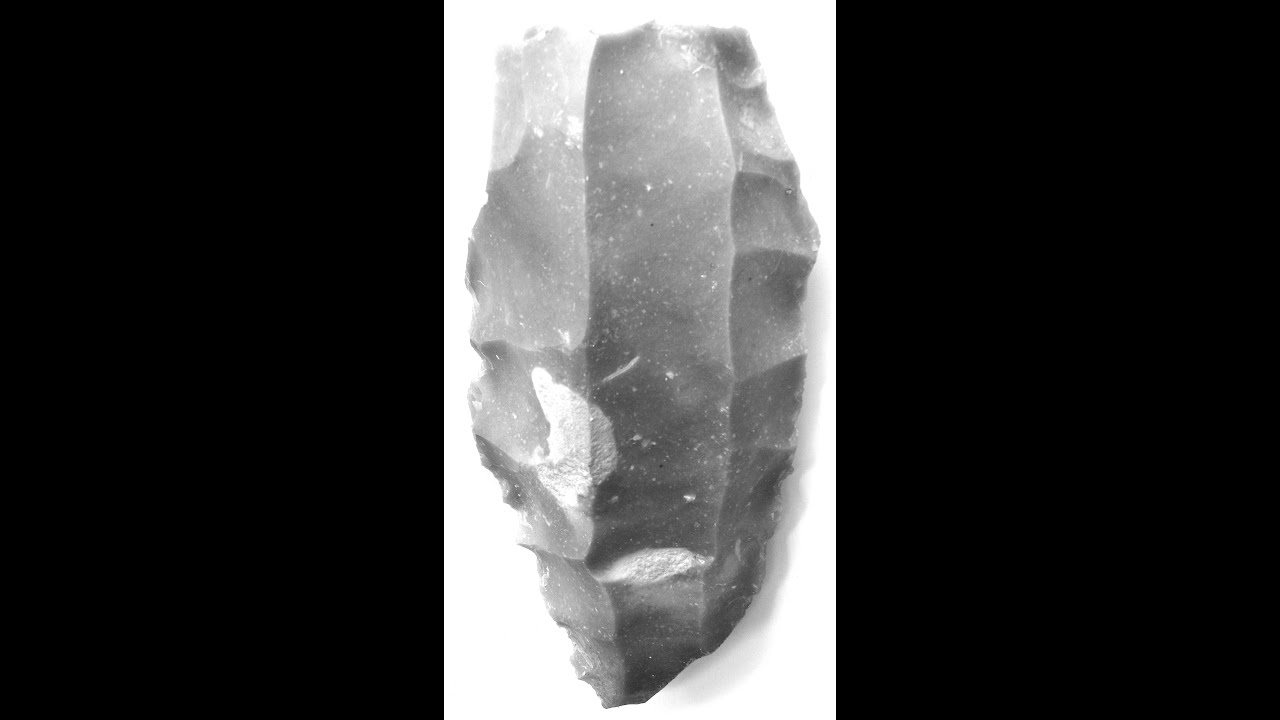
This video continues the discussion of Upper Paleolithic stone technology where it left off in Part 1. The third type of stone tool consists of 'blades.' Blades are elongated flakes, typically with very regular and straight sides and long cutting edges on both sides. The Upper Paleolithic is characterized in many parts of Europe by the frequent occurrence of well-made blades. It takes special tools (punches) and a lot of expertise to make consistently good blades. Thus archaeologists have often wondered why blades were so important in the Upper Paleolithic, and not before or after or in most other parts of the world. My own view is that blades primarily make sense as very efficient butchering tools, given their long, straight, uniform cutting edges. This makes a lot of sense when we realize that animals, especially reindeer, were a major food for most Upper Paleolithic people. There are a number of indications that meat was cut up and dried for storage and consumption over the winter. Since many animals were sometimes killed in single hunting events, the meat had to be cut up as fast and efficiently as possible. Meat also had to be cut into thin fillets so that it could be dried quickly--before flies came and laid eggs in the meat that would hatch into maggots and spoil everything. Therefore, it was imperative to have good butchering tools. Meat certainly could be cut up using a simple flake. But size and sleekness matters. Flake edges are often irregular and the cutting parts of the edges can be limited. To make an analogy with today's cutting tools, if you had a deer to butcher as quickly as possible, would you rather use a small penknife or a large butcher's knife? I hope you can see the logic now of why people went to so much trouble to manufacture blades in the Upper Paleolithic.
Hard hammer flakes, bifaces, and blades are three important kinds of stone tools described in The Eyes of the Leopard. If you want to learn more about the life and times in the Ice Age of Europe, pick up a copy. I think you will enjoy it.
Повторяем попытку...
Доступные форматы для скачивания:
Скачать видео
-
Информация по загрузке: