Shock
Автор: JETem
Загружено: 2022-01-03
Просмотров: 390
Описание:
MacDonald B, et al. Principles of Hypotensive Shock: A Video Introduction to Pathophysiology and Treatment Strategies. JETem 2022. 7(1):L1-10. https://doi.org/10.21980/J8MS84
ABSTRACT:
Audience: Emergency medicine interns, medical students, and mid-level providers (physician assistants, nurse practitioners).
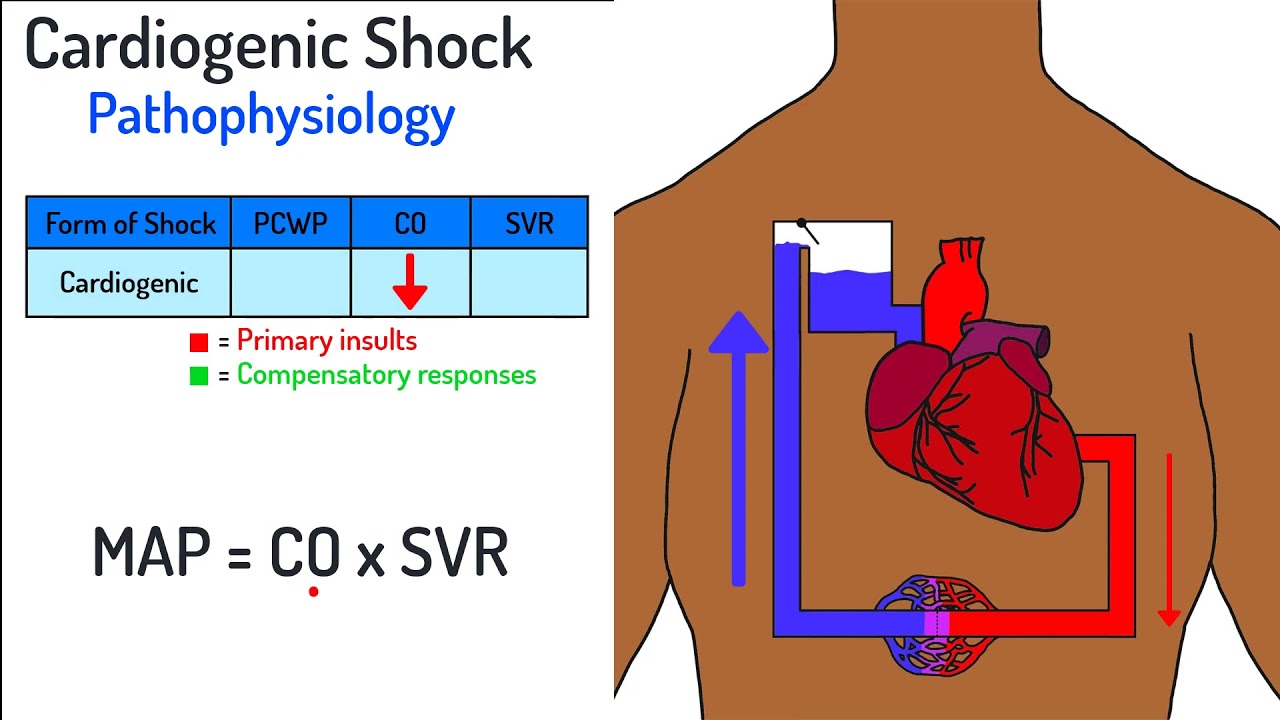
Introduction: Shock is defined as a state of global tissue hypoxia and is typically the result of hypotension and circulatory system failure. A variety of disease states may ultimately culminate in hypotensive shock through one or more generally recognized mechanisms – hypovolemic, cardiogenic, obstructive, and/or distributive shock.1 These mechanisms differ significantly in terms of their pathophysiology and requisite treatment. While the effects of hypotensive shock are initially reversible, untreated hypotensive shock may rapidly progress to multiorgan failure and death. Hence, the ability to promptly recognize a state of hypotensive shock, identify the underlying mechanism, and administer appropriate therapies are skills required of those caring for critically ill patients.2
The evaluation of hypotensive shock in the Emergency Department is relatively commonplace. Mortality rates associated with shock are high, ranging from 22.6% - 56.2%, depending upon the underlying etiology.3 For these reasons, the authors believe that a web-based learning module addressing topics related to hypotensive shock would be beneficial to healthcare professionals who are likely to encounter it in clinical practice. The web-based nature of the module would lend itself to convenient viewing and would allow for utilization as a just-in-time training modality. Presenting these topics in an animated format may also be a useful way of displaying the complex nature of cardiovascular physiology.
Educational Objectives: By the end of this module, participants should be able to:
1) Review basic principles of cardiovascular physiology
2) Describe the four general pathophysiologic mechanisms of hypotensive shock
3) Recognize various etiologies for each mechanism of hypotensive shock
4) Recognize differences in the clinical presentation of each mechanism of hypotensive shock
5) Cite the basic approach to treatment for each mechanism of hypotensive shock
Topics: Shock, hypotension, cardiovascular physiology, pulmonary artery catheterization, flipped classroom, asynchronous learning, emergency medicine.
For the entire lecture and user guidelines, go to: https://doi.org/10.21980/J8MS84
Повторяем попытку...
Доступные форматы для скачивания:
Скачать видео
-
Информация по загрузке: