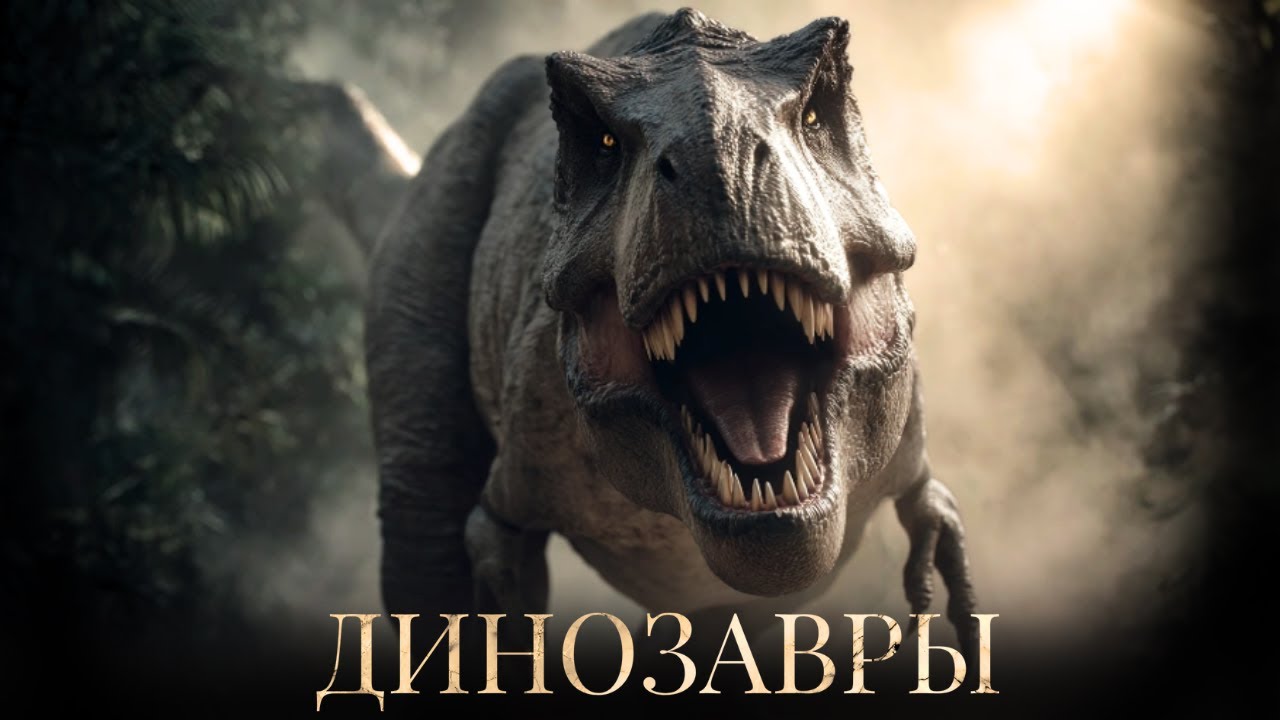
Why a 7,000KG Spinosaurus Couldn’t Run
Автор: The Mesozoic Record
Загружено: 2026-03-08
Просмотров: 77
Описание:
VIDEO DESCRIPTION (SEO OPTIMIZED)
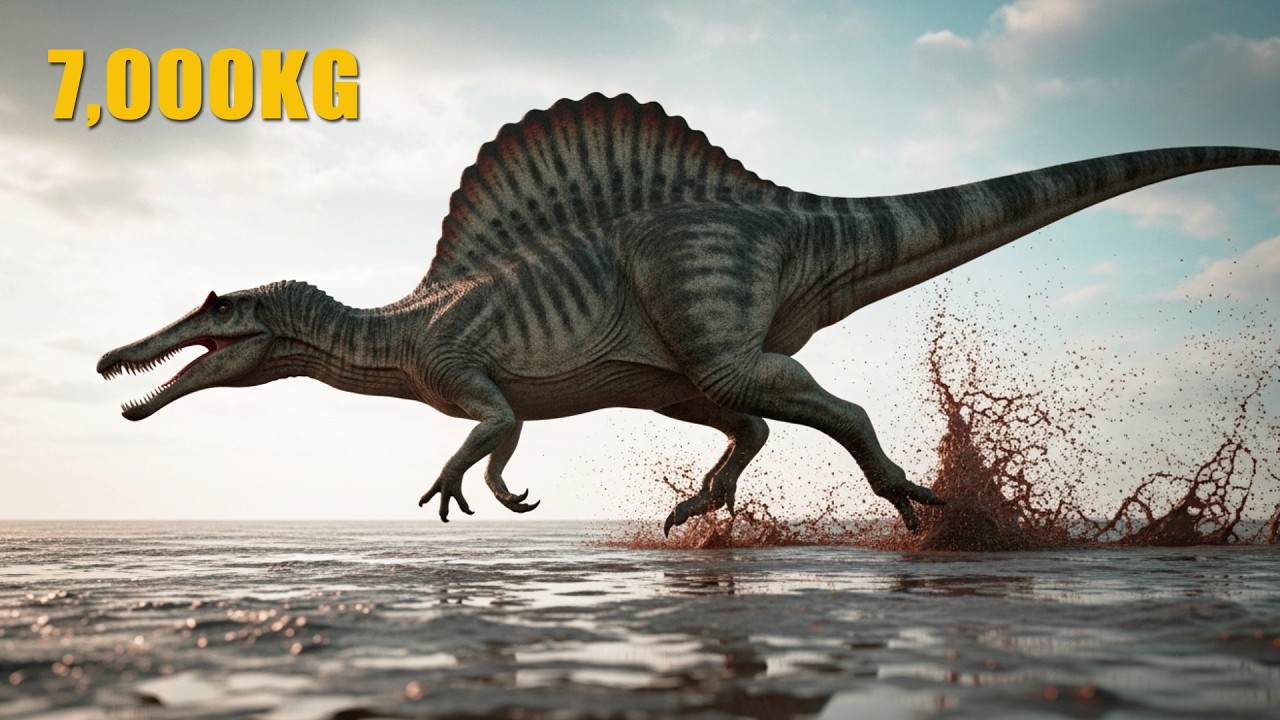
A 7,000kg Spinosaurus attempts to run across a wet Cretaceous floodplain — but the physics of its body works against it.
This episode examines the biomechanical limits of Spinosaurus aegyptiacus, focusing on why terrestrial running may have been unstable for one of the largest predatory dinosaurs ever discovered.
Using current paleontological research, biomechanical modelling, and environmental reconstruction, the video explores how a forward-shifted center of mass, relatively short hind limbs, and unstable floodplain sediment could cause traction loss during rapid movement.
As the massive predator accelerates across wet sediment, each step reveals the mechanical challenge of controlling 7,000 kilograms of biological mass on unstable ground.
This reconstruction focuses on physical constraints rather than speculation, documenting the moment when locomotion approaches its structural limit.
The result is a cold, observational look at dinosaur biomechanics, prehistoric locomotion, and the environmental physics of the Cretaceous floodplains.
---------------------------------------------------------------------
TIMESTAMPS
00:00 — Hook: The moment a 7,000kg Spinosaurus tries to run
00:30 — Establishing the floodplain environment
01:15 — Body mass and center of gravity analysis
02:20 — Hind limb mechanics and stride limitations
03:46 — Sediment instability on wet floodplains
05:10 — Acceleration attempt across unstable ground
06: 34 — Traction loss and mud shear forces
08:10 — Threshold of biomechanical stability
09:30 — Why running becomes mechanically unstable
10:50 — Final biomechanical conclusion
-------------------------------------------------------------------------
REFERENCES / SOURCES
Primary paleontological and biomechanical references used in this reconstruction:
Ibrahim, N. et al. (2020)
Tail-propelled aquatic locomotion in a theropod dinosaur.
Nature
Henderson, D. (2018)
Modeling buoyancy and stability in Spinosaurus aegyptiacus.
Royal Tyrrell Museum research publications.
Sereno, P. et al. (2014)
New reconstruction of Spinosaurus aegyptiacus and its ecological implications.
Science
Holtz, T. (Theropod Dinosaurs Research)
University of Maryland vertebrate paleontology resources.
Additional references from paleobiomechanics and dinosaur locomotion studies.
----------------------------------------------------------------------
MUSIC INFORMATION
Background audio used in this video:
Music provided by the YouTube Audio Library (YouTube Studio).
Environmental sound design and mixing edited for cinematic documentary presentation.
----------------------------------------------------------------------
HASHTAGS (SEO 2026)
#Spinosaurus
#TheMesozoicRecord
#DinosaurBiomechanics
#WhySpinosaurusCouldntRun
Повторяем попытку...
Доступные форматы для скачивания:
Скачать видео
-
Информация по загрузке: